 Blaine Siding
 Grandview and the Whatcom County Climate
Grandview sits within the stretch of homes we serve out of Blaine, close enough to Semiahmoo Bay and the Strait of Georgia that the weather off the water shapes almost every exterior decision a homeowner here makes. This is far northwest Washington, tucked against the Canadian border in Whatcom County, and the climate here is its own animal compared to inland siding jobs. Salt-laden air moves in off the water. Rain doesn't just fall, it drives sideways for days at a stretch during the wet season. And because temperatures stay mild and damp for so much of the year, moss and algae get a long runway to take hold on anything that stays wet.
None of that is a reason to panic about your siding. It's a reason to be deliberate about what goes on the wall, how it's installed, and who's doing the work. We've built our whole approach around this specific stretch of coastline, and Grandview is part of that service area.
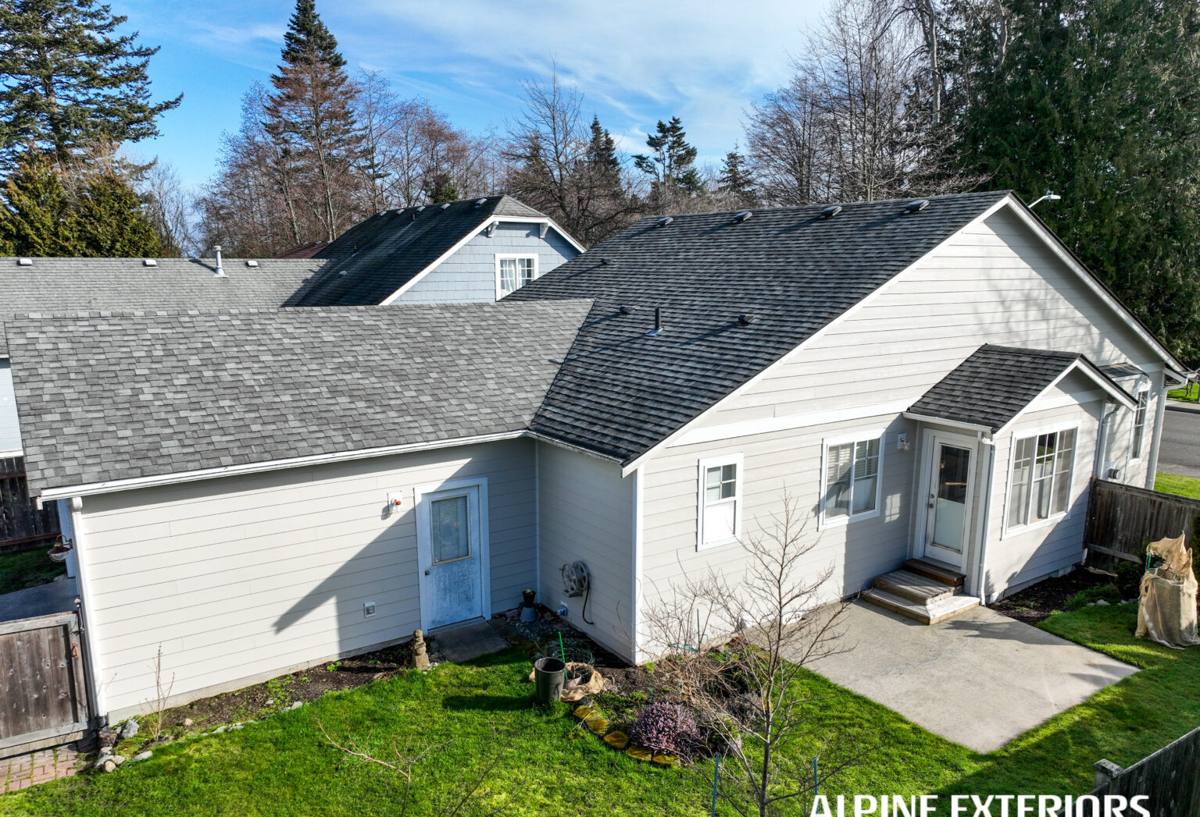
What This Climate Actually Does to a House
Most siding failures we get called out for in this area aren't dramatic. They're slow. A few things show up again and again on homes near Blaine:
Moisture Intrusion
Driving rain doesn't need a hurricane to find a weak point. It just needs wind-driven rain hitting a vertical wall for hours at a time, which is a normal Tuesday here for a good chunk of the year. Poorly lapped siding, gaps at trim, or a missing or damaged water-resistive barrier behind the cladding lets moisture work its way in. Once it's behind the siding, it doesn't dry out quickly in this humidity.
Salt Air Corrosion
Being close to the bay means airborne salt settles on exterior surfaces. Over years, that accelerates the breakdown of some finishes and speeds up corrosion on unprotected metal fasteners, flashing, and hardware. It's a slow, cumulative effect, not something you notice in year one, but it adds up on a 20- or 30-year timeline.
Moss and Algae
Whatcom County's moss season is long. Shaded north walls, areas under trees, and anywhere water sits instead of shedding are prone to green and black staining. Beyond looking bad, sustained moss growth holds moisture against the siding surface, which works against whatever water-resistance the material started with.
Wood Rot and Swelling
Any wood-based or wood-adjacent siding product is vulnerable here. Even well-maintained wood trim and traditional wood siding can swell, cup, or start to rot at joints and cut ends if the finish isn't kept up on a strict schedule, which is a hard schedule to keep on a busy household.
Why We Install Only James Hardie Fiber Cement Here
We made a deliberate call as a company: we install James Hardie fiber cement siding, and we don't install vinyl, LP SmartSide, Cemplank, Allura, primed spruce, or cedar. That's not a marketing line, it's a standard we hold to on every job, including every Grandview project.
Fiber cement is engineered from cement, sand, and cellulose fiber. It doesn't absorb water and swell the way wood-based products can, and it doesn't soften or warp in heat the way vinyl can. That matters directly for a climate defined by sustained dampness and salt exposure. James Hardie also builds region-specific product lines, and the HZ5 formulation is engineered for climates like ours, colder, wetter Pacific Northwest conditions, as opposed to the HZ10 line built for hot, humid southern climates. Installing the right climate-engineered version of the product is part of doing the job correctly, not an upsell.
A few other reasons this is where we've landed:
- Non-combustible core, which matters for insurance conversations and long-term peace of mind
- ColorPlus factory-applied finish, baked on under controlled conditions rather than field-painted, which holds color and resists the fading that salt air and UV exposure accelerate
- A strong, transferable manufacturer warranty when the product is installed to spec
- A proven long-term track record in wet coastal and marine-influenced climates, not just marketing claims
We're not going to tell you vinyl or wood siding is garbage, because that's not honest or useful. Vinyl is inexpensive and low-maintenance in the right setting. Wood has real character and a long history. But in a climate that combines salt air, sustained rain, and a long moss season, we've seen enough of how these materials perform over 10 and 20 years to know where we want our name on the invoice. Fiber cement, installed correctly, is the material we're willing to stand behind on homes in this area.
How These Products Actually Compare Here
| Material | Moisture Behavior in This Climate | Maintenance Burden | Typical Lifespan Locally |
|---|---|---|---|
| James Hardie Fiber Cement | Doesn't absorb water or swell; factory finish resists salt-air fading | Low; occasional wash-down | 30+ years with correct install |
| Vinyl | Doesn't rot, but can warp/buckle under heat cycling and doesn't stop moisture behind it on its own | Low, but color fades and becomes brittle over time | 15-25 years, variable |
| LP SmartSide / Engineered Wood | Vulnerable at cut edges and seams if caulking and paint aren't kept current | Moderate to high; finish maintenance is non-negotiable | Highly install- and maintenance-dependent |
| Cedar / Primed Spruce | Prone to swelling, cupping, and rot without a strict re-finishing schedule | High; regular refinishing required | Shorter without diligent upkeep |
Roofing, Windows, and Decks: The Rest of the Exterior
Siding doesn't work in isolation. It's one part of the building envelope, and in Grandview's climate, the other components matter just as much for keeping water out of the structure.
Roofing
A roof in this area takes the same driving rain and moss exposure as the walls, often worse, since it's the first surface water hits. Flashing details at valleys, chimneys, and wall intersections are where most leaks start, and they're worth checking whenever siding work is being planned, since the two systems tie together at the transitions.
Windows
Window flashing and integration with the siding is one of the most common failure points we see on older homes here. If the water-resistive barrier and flashing aren't properly lapped around the window opening, water gets behind the wall assembly no matter how good the siding itself is. Replacing siding is a natural point to correct old window flashing mistakes.
Decks
Outdoor living matters here when the weather cooperates, and decks take a beating from the same rain and moisture cycles. Proper ledger flashing, board spacing for drainage, and material choice all affect how long a deck holds up against this climate.
Because we handle all four, siding, roofing, windows, and decks, we can look at a Grandview home as one connected system rather than four separate contractors each assuming someone else is handling the water management at the seams.
Why a Local Crew Matters
A crew that works this stretch of Whatcom County regularly knows things a traveling or out-of-area contractor doesn't pick up as fast: how the prevailing wind direction affects which walls take the worst weathering, which older homes in the area were built with details that don't hold up well today, and what Whatcom County's permitting and inspection process actually requires before a project can move forward. That local familiarity shows up in small decisions on a job, like where extra flashing attention is warranted, or how to sequence work around the wetter months, that add up to a better result.
It also means accountability. A local crew with a local reputation has a reason to get the details right and stand behind the work after the trucks leave.
Signs Your Siding May Need Attention
Not every issue is obvious from the ground. A few things worth checking, especially on homes that haven't had a close exterior inspection in a while:
- Soft or spongy spots when you press on the siding, especially near the bottom courses
- Persistent green or black staining that comes back shortly after cleaning
- Visible gaps, cracking, or separation at seams and trim joints
- Paint or finish that's peeling, bubbling, or chalking heavily
- Warping, bowing, or waviness when viewed at a low angle along the wall
- Interior signs like musty smells, discoloration, or soft drywall near exterior walls
- Fastener heads showing rust or staining streaks below them
What the Replacement Process Looks Like
A siding replacement on a Grandview home generally moves through a consistent sequence: an on-site inspection to assess the current condition and any hidden moisture damage, removal of the old siding, inspection and repair of the sheathing and water-resistive barrier underneath (this step is where a lot of the long-term performance actually gets decided), installation of the new fiber cement siding to manufacturer specifications, and a final walkthrough. Timelines vary with home size, weather windows, and whether sheathing repairs are needed, so an accurate schedule comes from an actual on-site look rather than a generic estimate.
Cost Factors to Expect
| Factor | Why It Affects Cost |
|---|---|
| Home size and wall complexity | More square footage and more corners, gables, and trim details mean more material and labor |
| Condition of the sheathing underneath | Rot or water damage found during tear-off requires repair before new siding goes on |
| Siding profile and trim selection | Lap width, shingle-style panels, and trim board choices vary in material cost |
| Access and site conditions | Steep grades, tight lot lines, or limited equipment access can add labor time |
| Window and door integration | Correcting old flashing details at openings adds scope but prevents future leaks |
Every home is different, and the only way to get real numbers is a walk-through, but understanding these factors ahead of time makes for a more productive first conversation.
Ready to Talk About Your Home
If you're in Grandview and dealing with aging siding, water intrusion you can't quite pin down, or you're just planning ahead before the next wet season sets in, we're happy to come take a look. There's no pressure and no obligation, just a straightforward assessment of where your home actually stands and what your options are. Use the form below to request a free estimate.