 Blaine Siding
 Storm Damage Roof Repair for Grandview Homes
Grandview homeowners deal with a specific mix of weather that most roofing crews from outside Whatcom County don't fully account for: salt-laden wind off the water, driving rain that comes in sideways during winter storms, and a moss season that runs longer here than almost anywhere else in the state. When a storm knocks loose shingles, lifts flashing, or drives water under a roof deck, the repair needs to account for all three of those factors at once, not just patch the visible damage and move on.
This page covers what storm damage roof repair actually involves for homes in the Grandview area near Blaine, what separates a correct repair from a temporary fix, and how we approach the work when a call comes in after a windstorm or a heavy rain event.
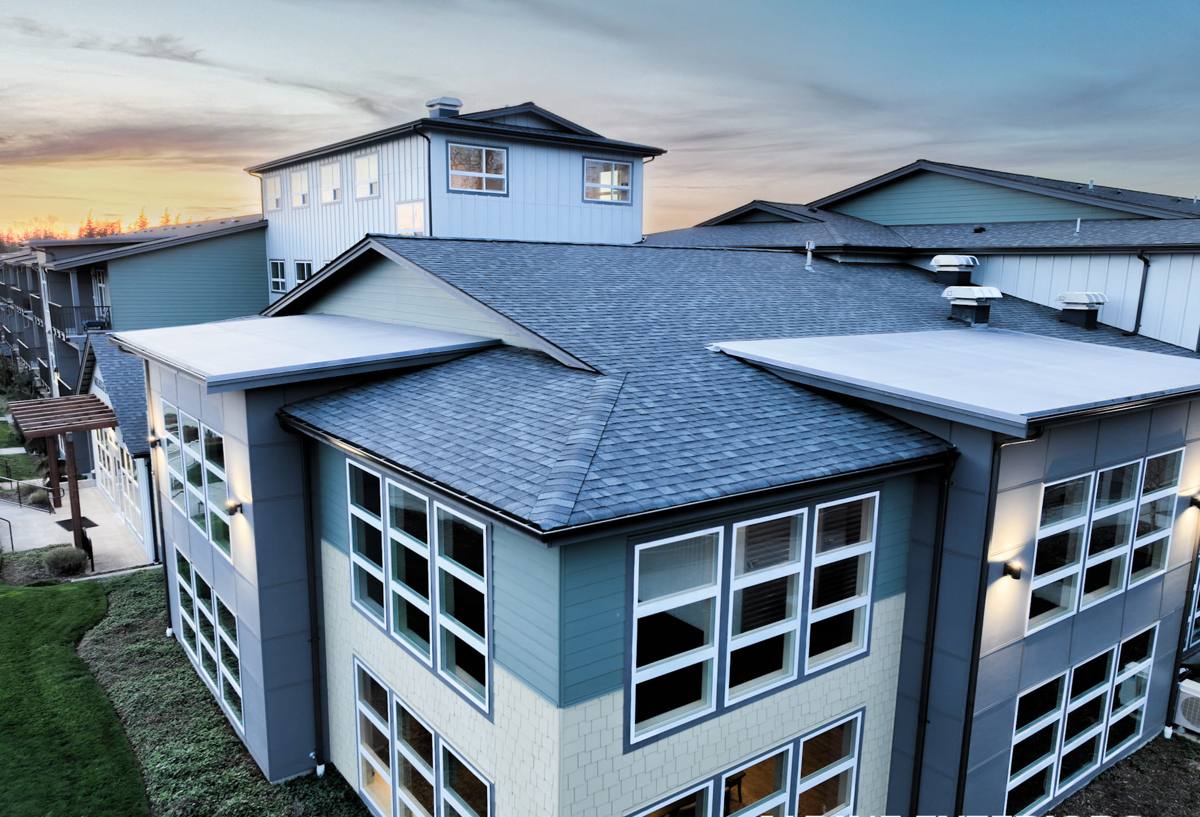
Why Storms Hit Grandview Roofs Differently
Grandview sits close enough to the water that salt air is a constant presence on every roof surface, whether the storm activity is heavy that year or not. Salt air accelerates corrosion on exposed fasteners, flashing, and any metal roofing components, which means storm damage often reveals problems that were already quietly developing before the wind ever picked up. A nail that's been slowly corroding for a few seasons is far more likely to back out or shear off in a windstorm than one that's still fully sound.
Add to that the driving rain pattern common to this part of Whatcom County — rain that comes in at an angle rather than straight down — and you get wind-driven water finding its way under shingles, around chimney flashing, and into valleys that would stay dry in a calmer climate. Then there's moss. The long, wet season here gives moss months to establish itself on north-facing slopes and shaded areas, and moss holds moisture against the shingle surface long after a storm has passed. A roof that's already carrying moss going into a storm is more vulnerable to wind lift and water intrusion than a clean one.
None of this means Grandview roofs are fragile — it means storm repair here has to look past the obvious damage and check the areas these three factors typically compromise first.
The Combined Effect Over Time
Salt air, rain, and moss don't act independently. Salt accelerates metal fatigue, moss traps the moisture that speeds up rot in the decking underneath, and wind finds every weak point that corrosion and moisture have already softened. A storm doesn't usually create damage out of nowhere — it exposes and worsens weak points that were building for a while. That's why a proper storm repair inspection looks at the whole roof system, not just the spot where a shingle blew off.
What Storm Damage Actually Looks Like
Homeowners often call about one obvious problem — a missing shingle, a ceiling stain, a piece of flashing in the yard — but storm damage rarely stays contained to one spot. Here's what we typically find when we inspect a Grandview roof after a wind or rain event:
- Shingles that are lifted, cracked, or missing entirely, often on the side of the roof that faces prevailing wind
- Flashing pulled loose or bent around chimneys, skylights, and roof-to-wall transitions
- Granule loss on asphalt shingles from wind-driven debris or hail, which shows up as bare-looking patches
- Water staining on interior ceilings or in the attic, sometimes far from where the actual roof breach is
- Soft or spongy decking felt underfoot during inspection, indicating water has already reached the wood
- Clogged or torn gutters and downspouts that let water back up under the roof edge
- Moss mats that shifted or tore loose, taking shingle granules and underlayment protection with them
Some of these are visible from the ground. Most aren't. That's the core reason a proper storm inspection means someone getting on the roof, not just looking at it with binoculars from the driveway.
What a Correct Repair Involves
A quick patch addresses what's visible and stops there. A correct repair traces the water path, addresses the source, and checks everything downstream of the damage. For a typical Grandview storm repair, that means:
1. Full Roof Inspection, Not Just the Damaged Section
We check the entire roof plane, not just the spot that prompted the call. Wind damage on one slope often means stress on adjacent areas too, and a storm strong enough to lift shingles in one place is usually strong enough to loosen fasteners elsewhere that haven't failed yet.
2. Deck Inspection Underneath the Damaged Area
If water has been getting in for any length of time before the storm made the problem obvious, the decking underneath needs to be checked for soft spots or rot. Repairing shingles over a compromised deck doesn't hold — the new roofing will fail again, often faster than the original.
3. Flashing and Transition Repair
Chimneys, skylights, vent pipes, and wall transitions are where the vast majority of leaks actually originate, even when the visible damage is a shingle somewhere else. Flashing gets re-secured or replaced with corrosion-resistant material suited to a salt-air environment, not just re-nailed in place.
4. Matching Materials Correctly
Shingle color and profile change over time with UV exposure, so an honest repair uses the closest reasonable match and sets expectations about visible difference rather than promising an invisible patch. For larger storm damage, we'll talk through whether a full slope replacement makes more sense than patching a wide area with mismatched material.
5. Moss and Debris Clearing as Part of the Job
If moss contributed to the damage or is present near the repair area, it gets cleared as part of the work — not as an upsell, but because leaving it in place undermines the repair before it's even finished.
Repair vs. Replacement: What Decides It
Not every storm-damaged roof needs full replacement, and not every roof can be safely patched. The table below covers the main factors that push a decision one way or the other.
| Factor | Favors Repair | Favors Replacement |
|---|---|---|
| Age of roof | Under 10-12 years, in otherwise good condition | Near or past expected shingle lifespan |
| Extent of damage | Limited to one section or slope | Spread across multiple slopes or widespread granule loss |
| Deck condition | Solid, dry decking under damaged shingles | Soft, rotted, or repeatedly saturated decking |
| Prior repair history | First significant storm event | Multiple past patches in different areas |
| Material availability | Close match to existing shingles available | Discontinued product or major visible mismatch |
| Underlying moss/moisture issues | Isolated, treatable during repair | Long-term moss damage across large roof areas |
We'll walk through where your roof falls on these factors during the inspection and give you a straight answer, not a default push toward the bigger job.
Our Storm Repair Process
When a Grandview homeowner calls after storm damage, here's how the work typically proceeds:
- Initial call and safety check. If there's active leaking or a safety hazard like loose material overhead, we prioritize a temporary tarp or seal to stop water intrusion right away.
- On-roof inspection. We physically inspect the roof surface, flashing points, and attic access where possible, documenting what we find.
- Written scope and estimate. You get a clear explanation of what's damaged, what caused it, and what the repair involves — no vague line items.
- Insurance documentation, if needed. If you're filing a claim, we provide the documentation your adjuster will need without inflating the scope to chase a bigger payout.
- Repair work. Materials matched as closely as reasonably possible, flashing and transitions addressed, decking repaired if compromised.
- Final walkthrough. We show you what was done and flag anything worth keeping an eye on going forward, including moss-prone areas that may need routine attention.
What to Do Right After a Storm
Before a crew ever gets there, a few things you do (or avoid doing) can make a real difference in how the repair goes:
- Photograph any visible damage from the ground — don't get on the roof yourself after a storm
- Check the attic or top-floor ceilings for new staining or damp spots
- Clear debris away from gutters and downspouts if it's safe to do from ground level
- Note the date and rough timeline of the storm for insurance purposes
- Avoid tarping the roof yourself unless you're experienced working at height — a poorly secured tarp can cause more damage in the next windstorm
- Call for an inspection even if the damage looks minor — hidden water intrusion is common after wind events in this area
Insurance Claims: What's Reasonable to Expect
Most homeowners' policies cover sudden storm damage, though coverage details vary by carrier and policy. What we can tell you honestly: a legitimate claim needs clear documentation of storm-caused damage, and an adjuster will typically want to see the difference between sudden damage and gradual wear (like long-term moss deterioration, which some policies treat differently). We document what we find plainly and accurately — that's what holds up with an adjuster, and it's also just the right way to do the work.
Why a Local Crew Matters for This Job
Storm repair work in this region benefits from knowing what's normal for Blaine and Whatcom County roofs versus what's a red flag. A crew that works Grandview regularly recognizes the difference between typical salt-air fastener corrosion and something more serious, knows which moss patterns tend to hide deck damage, and understands how the area's wind patterns tend to load different roof slopes. That familiarity means fewer surprises mid-repair and a more accurate estimate up front, because the inspection isn't the first time the crew has seen how storms behave against roofs like yours.
It also means being reachable for the follow-up questions that come up weeks later — whether that's a spot that seems to be holding moisture again, or a question about how the repair is holding up through the next round of weather.
Get a Free, No-Pressure Estimate
If a recent storm left your Grandview roof with missing shingles, damaged flashing, or a leak you can't quite pin down, we're happy to take a look and give you a straight assessment — no pressure, no inflated scope. Use the form below to request a free estimate.