 Blaine Siding
 Why Semiahmoo Siding Has to Work Harder Than Siding Inland
Semiahmoo sits right up against the water, which means homes here take a different kind of beating than a house even a few miles inland in Blaine or elsewhere in Whatcom County. Salt-laden air rides in off the bay, driving rain comes in sideways during winter storms, and the shaded, damp conditions that follow support a long moss and algae season on north-facing walls and anything under tree cover. Siding that's marginal on a dry inland lot can fail years early out here. This page is about one thing specifically: what a correct siding installation looks like for a Semiahmoo home, and why the product and the crew both matter more in this location than almost anywhere else we work.
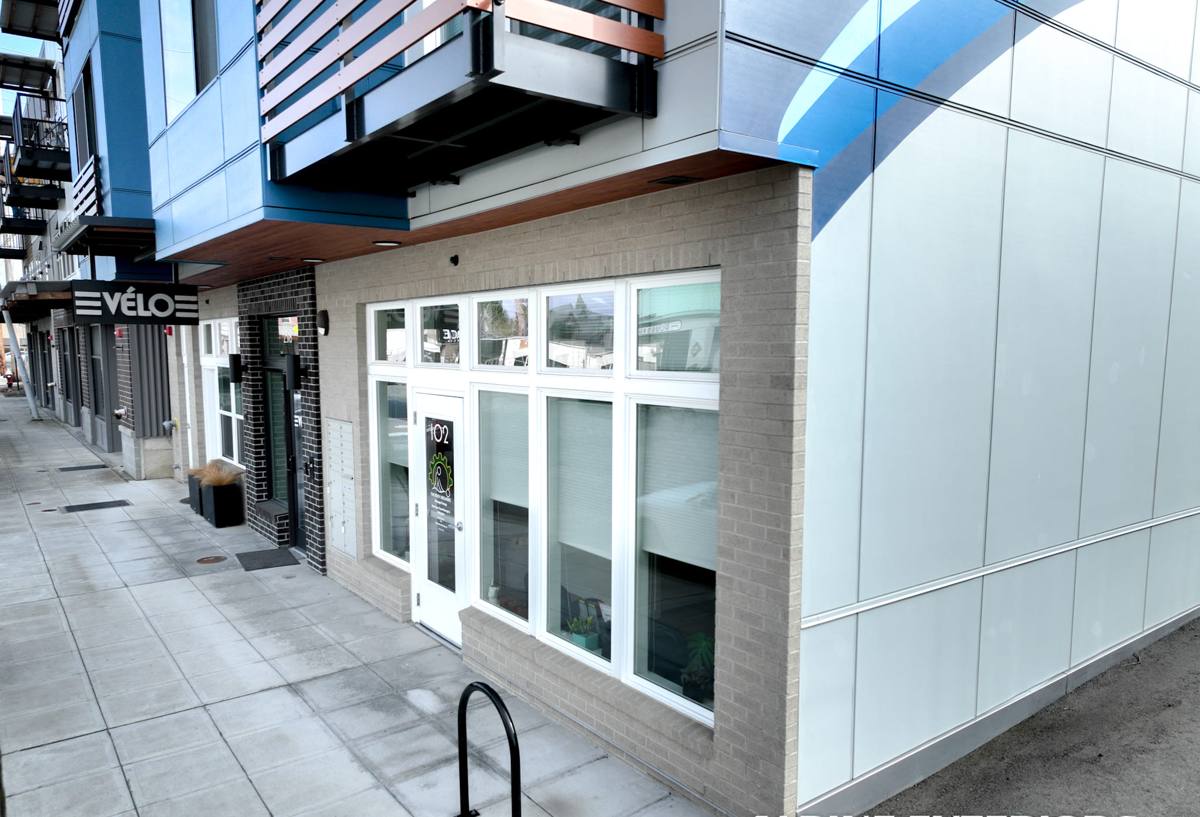
What Salt Air, Wind-Driven Rain, and Moss Actually Do to Siding
It helps to understand the mechanism, not just the symptom.
- Salt air accelerates corrosion on fasteners, flashing, and any exposed metal trim. It also keeps wood-based products and their finishes damper, longer, because salt is hygroscopic — it pulls moisture out of the air.
- Driving rain off the water doesn't just fall, it pushes sideways into laps, seams, and butt joints that would stay dry in a calmer setting. Any gap in the water-resistive barrier or flashing detail becomes an entry point.
- Moss and algae take hold wherever a wall stays shaded and damp for extended stretches — common on the north and east sides of homes near the water or under mature trees. Constant moisture at the siding surface is exactly the condition that breaks down paint films and, on wood-based products, softens the substrate underneath.
None of this is unique to Semiahmoo, but the combination — salt, wind, shade, and moisture all at once, for months at a stretch — is more concentrated here than on a typical Blaine lot set back from the water.
Why We Only Install James Hardie Fiber Cement Here
We don't install vinyl, LP SmartSide, primed spruce, cedar, or other fiber cement brands. That's not a marketing position — it's a standard we hold because of what we've seen these conditions do to siding over time. Vinyl expands and contracts more than fiber cement and can warp or crack in sustained wind exposure; its seams are also a weak point for wind-driven rain to work into. Wood-based and engineered-wood siding relies on an intact factory or field-applied coating to keep moisture out, and once that coating is compromised — by UV, by a fastener puncture, by prolonged dampness under moss — the substrate itself can begin to swell or soften. In a marine environment with a long wet season, that coating gets tested harder and more often.
James Hardie fiber cement is cement, sand, and cellulose fiber. It doesn't rot, it isn't a food source for moss and mildew the way wood is, and it's non-combustible. It still needs to be installed correctly and finished correctly to perform — fiber cement isn't magic — but the material itself starts from a much better position for a site like Semiahmoo.
The HZ5 Product Line
James Hardie engineers its siding to different climate zones, and the Pacific Northwest falls under the HZ5 line, engineered for wet, humid, and freeze-prone conditions. That's the product we spec for Semiahmoo homes specifically — not a generic version of Hardie board, but the version built for exactly this kind of weather exposure.
ColorPlus Factory Finish vs. Field Paint
Where we can, we specify Hardie's ColorPlus factory finish rather than field-painted board. It's baked on in a controlled environment, it resists fading and chipping better than a job-site paint job, and it comes with its own finish warranty separate from the product warranty. For a wall that's going to see salt spray and constant damp, starting with the more durable finish option is worth the conversation during your estimate.
What a Correct Siding Installation Actually Involves
Most siding failures we get called out to inspect aren't a product problem — they're an installation problem. The material was fine; the details underneath it weren't. Here's what has to happen, in order, on every job:
Tear-Off and Substrate Inspection
Old siding comes off and the sheathing underneath gets inspected before anything new goes up. In a marine environment, this step matters more than usual — hidden moisture damage behind old siding is common near the water, and it needs to be found and repaired before a new weather barrier goes over it, not after.
Weather-Resistive Barrier and Flashing
A correctly lapped weather-resistive barrier, with flashing integrated at every window, door, and penetration, is what actually keeps wind-driven rain out of the wall assembly. The siding itself is the first line of defense; the barrier and flashing behind it are what stop water that gets past a lap or a seam from reaching the framing.
Fastening and Clearances
James Hardie specifies fastener type, spacing, and placement, along with minimum clearances from grade, roof lines, and abutting surfaces. Those clearances exist to keep the bottom edge of the siding from sitting in standing water or constant splash-back — a detail that matters even more on a lot close to sea level with poor drainage or heavy rain volume.
Trim, Caulking, and Paint Lines
Joints, corners, and trim transitions are where most water intrusion actually starts. Correct caulking at the right joints (and no caulking where it isn't supposed to go, since some laps are designed to stay open) plus a properly maintained paint line are what keep those transitions sealed over the long run.
Our Process for Semiahmoo Projects
Every project starts with an on-site walkthrough, not a phone estimate — Semiahmoo lots vary enough in exposure (waterfront-facing vs. set back, tree cover vs. open) that we need to see the specific walls before scoping the job. From there:
- Full exterior inspection, including a look at trim, flashing, and any moisture staining on existing siding or interior walls
- A written scope specifying HZ5 product, coverage, trim details, and finish option (ColorPlus vs. field paint)
- Tear-off, sheathing repair where needed, and correct barrier/flashing installation before a single piece of siding goes up
- Installation to James Hardie's published fastening, clearance, and lap specifications
- Final walkthrough covering caulking, paint lines, and any punch-list items before we call it done
Cost Factors for a Semiahmoo Siding Job
Every home is different, but the same handful of factors drive most of the cost variation we see on projects in this area:
| Factor | Why It Matters Here |
|---|---|
| Substrate condition | Hidden moisture damage from old siding or flashing failures near the water often means sheathing repair before new siding can go on |
| Wall exposure | Waterfront-facing walls taking direct wind-driven rain sometimes warrant upgraded flashing details versus a sheltered wall |
| Finish choice | ColorPlus factory finish costs more upfront than field paint but reduces repaint cycles in a harsh, damp climate |
| Trim and architectural detail | Corner boards, window trim, and fascia detail add labor beyond flat wall coverage |
| Access | Steep grades, water-adjacent setbacks, or limited equipment access on tighter lots can affect labor time |
We'll walk through which of these apply to your home during the estimate, in plain numbers, before any work is scoped.
Moss, Algae, and Keeping a Long-Term Maintenance Edge
Fiber cement doesn't feed moss and algae the way wood does, but nothing is maintenance-free in a climate like this. A few habits go a long way toward protecting the investment:
- Rinse siding annually, especially on shaded north and east walls, to keep organic growth from building up on the surface
- Trim back tree branches and shrubs that keep a wall in constant shade and reduce airflow
- Check caulking at trim joints and penetrations every year or two, since caulk is the one component that wears out faster than the siding itself
- Watch gutters and downspouts — overflow running down a wall concentrates moisture in one spot and accelerates any staining or growth there
- Repaint or refresh field-painted board on the manufacturer's recommended cycle; ColorPlus finish extends that interval but isn't infinite
Why Hiring a Crew That Already Works Semiahmoo Matters
A crew that mostly works drier, inland jobs can install Hardie board correctly on paper and still miss the details that matter specifically near the water — flashing details sized for wind-driven rain, clearance decisions that account for salt spray and splash-back, or which walls in this specific setting are going to see the worst moss pressure. Knowing Whatcom County's coastal exposure isn't a substitute for correct installation practice, but it's what tells a crew which details to be most careful about on a given wall, and that judgment comes from having done the work here before.
If you're planning a siding project in Semiahmoo, we're glad to walk your home, look at what your walls are actually dealing with, and put together a straightforward, no-pressure estimate — use the form below to get started.