 Blaine Siding
 Roof Replacement Built for Sumas Conditions
Sumas sits at the edge of Whatcom County, close enough to the water and the marine weather pattern that moves through Blaine and the surrounding valleys to share the same roofing headaches: salt-tinged air, long stretches of driving rain, and a moss season that seems to start earlier every year. A roof out here isn't just shedding water a few months a year — it's under near-constant moisture load for most of the fall, winter, and spring, with short dry windows to actually dry out in between. That combination is hard on shingles, hard on flashing, and hard on anything installed without attention to detail. When a roof in this area fails early, it's rarely one big problem. It's usually a slow accumulation of small ones: nail pops from repeated wet-dry cycling, moss holding moisture against the roof deck, flashing that was never properly integrated with the underlayment, or ventilation that couldn't keep up with the humidity load. A correct roof replacement addresses all of that at once, not just the shingles on top.
What Local Homes Actually Need
Homes around Sumas vary in age and style, but the roofs that hold up best share a few common traits. None of this is exotic — it's just attention to the parts of the job that don't show up in a driveway estimate.
Moisture Management First
With the amount of rain this area sees, the underlayment matters as much as the shingle. A synthetic, high-quality underlayment with properly lapped seams gives the roof a real second line of defense if wind-driven rain gets under a shingle edge — which happens more often here than homeowners realize, especially on exposed gables and roof faces that catch the prevailing weather.
Moss Resistance, Not Just Moss Removal
Moss isn't cosmetic — it holds water against the shingle surface and granule layer, which accelerates wear and can work its way under tabs over time. On a replacement, that means factoring in zinc or copper strips at the ridge where appropriate, keeping overhanging tree cover in mind for future maintenance, and choosing shingle products with algae- and moss-resistant granules where the roof's exposure calls for it.
Ventilation That Matches the Climate
A roof deck that can't breathe traps moisture from the inside as well as the outside. Balanced intake and exhaust ventilation keeps the underside of the deck drier, which matters for the life of the plywood or OSB sheathing and helps prevent the kind of hidden rot that only gets found when a roof is torn off.
What a Correct Roof Replacement Involves
A roof replacement is more than pulling off old shingles and nailing down new ones. Done right, it's a sequence of steps where each one sets up the next.
- Full tear-off to bare deck — never a layover, which traps moisture and hides deck problems
- Deck inspection and repair of any soft, rotted, or delaminated sheathing before anything new goes down
- Ice-and-water shield at eaves, valleys, and other vulnerable transitions, sized for our rain volume rather than the bare code minimum
- Synthetic underlayment across the full field, properly lapped and fastened
- New flashing at every penetration, chimney, and wall intersection — reused flashing is one of the most common sources of early leaks
- Balanced ridge and soffit ventilation, corrected if the existing setup was inadequate
- Shingle or roofing material installed to manufacturer spec, including nailing pattern and exposure
- Final walk-through covering gutters, downspout tie-ins, and cleanup
Skipping any one of these steps doesn't usually cause an immediate problem — it causes a problem three, five, or eight years down the road, which is exactly the kind of failure that's hardest to trace back to its cause.
Choosing Materials for This Climate
There's no single "best" roofing material for every home, but in a marine climate like Blaine and Sumas, some choices hold up better than others. The table below is a general comparison — actual performance depends on installation quality, roof pitch, and exposure.
| Material | Moisture & Moss Performance | Typical Lifespan | Maintenance Considerations |
|---|---|---|---|
| Architectural asphalt shingle | Good, especially with algae-resistant granules | 25–30 years | Periodic moss treatment recommended in shaded areas |
| 3-tab asphalt shingle | Fair — less mass to resist wind-driven rain | 15–20 years | More prone to early granule loss in wet climates |
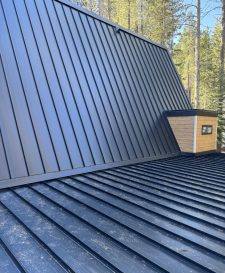
| Metal (standing seam) | Excellent — sheds moisture quickly, minimal moss growth | 40–50+ years | Higher upfront cost, fewer seams to fail |
| Cedar shake | Requires ongoing maintenance in this climate | Varies widely with upkeep | Needs regular treatment to manage moisture retention |
For most homes in the Sumas area, a quality architectural shingle strikes the right balance of cost, appearance, and durability. Metal roofing is worth a serious look for homeowners planning to stay in the home long-term or dealing with heavy tree cover and persistent moss issues, since it sheds water fast and gives moss very little to hold onto.
Signs a Sumas Roof Needs Replacing, Not Patching
Not every roof problem calls for a full replacement, but there are signs that patching is just delaying the inevitable:
- Granules collecting heavily in gutters, especially on a roof over 15 years old
- Shingles that are curling, cupping, or losing their tabs
- Moss established in the shingle mat itself, not just sitting on the surface
- Soft spots or visible sagging when walking the roof or viewing from a ladder
- Repeated leaks in different spots after previous patch repairs
- Daylight visible through the roof deck from inside the attic
If a roof is showing two or more of these signs, a replacement is usually the more cost-effective path — repeated patching on an aging roof tends to cost more over a few years than doing the job right once.
Our Process for a Roof Replacement
We keep the process straightforward because homeowners deserve to know exactly what's happening on their roof and why.
1. On-Site Assessment
We look at the roof itself — pitch, current material, ventilation, flashing condition, and any signs of moisture intrusion — along with things that affect the job like tree cover, access, and gutter condition.
2. Straightforward Estimate
We walk through material options, what the job actually involves, and a clear cost breakdown. No pressure tactics, no artificial deadlines.
3. Scheduled Tear-Off and Install
We work efficiently to minimize the number of days the deck is exposed, which matters given how quickly weather can turn in this region. Deck repairs are addressed as they're found, with clear communication before any extra work is done.
4. Final Inspection
Before we consider the job finished, we walk the roof and the property with the homeowner to confirm everything meets the standard we set at the estimate.
Why Hire a Crew That Already Works in Sumas
Roofing crews that mostly work drier climates or install roofs to a generic code minimum tend to underbuild for what this part of Whatcom County actually experiences. A crew familiar with Sumas and the broader Blaine area already knows which roof orientations take the worst of the driving rain, which properties tend to hold moss longer because of tree cover or shade patterns, and how to sequence a tear-off around a weather window instead of hoping it doesn't rain mid-project. That local knowledge shows up in details — flashing choices, underlayment coverage, ventilation balance — that aren't visible on a finished roof but make the difference between a roof that lasts its full rated life and one that starts leaking early.
Maintaining a New Roof in This Climate
A well-installed roof still benefits from basic upkeep in a wet, moss-prone climate:
- Clear gutters and downspouts at least twice a year to prevent water backing up under the roof edge
- Trim back overhanging branches to reduce shade and debris buildup that feeds moss growth
- Have moss growth treated before it establishes in the shingle mat, not after
- Schedule a visual inspection after major windstorms to catch lifted or damaged shingles early
None of this is intensive work, but skipping it is one of the more common ways a good roof loses years off its lifespan in this climate.
If your roof in Sumas is showing its age or you just want an honest read on where it stands, we're happy to take a look. The estimate is free, there's no pressure, and you'll get a clear picture of what your roof actually needs — simply fill out the form below to get started.