 Blaine Siding
 Roofing on an Exclave: Why Point Roberts Is Its Own Challenge
Point Roberts sits on a peninsula that's only reachable by driving through Canada, by boat, or by small plane, and that geography shapes everything about how a roofing project has to be planned. Materials, dump trailers, and crews all have to make that same trip, and a contractor who hasn't built that logistics into their normal routine will either pad your price to cover the hassle or cut corners to avoid it. On top of the access issue, the roof itself is dealing with a tougher environment than most of Whatcom County: salt-laden air off the water, wind-driven rain that gets under anything loosely installed, and a moss season that runs longer here than it does further inland. An asphalt shingle roof built for this spot needs to account for all of it, not just meet a generic code minimum.
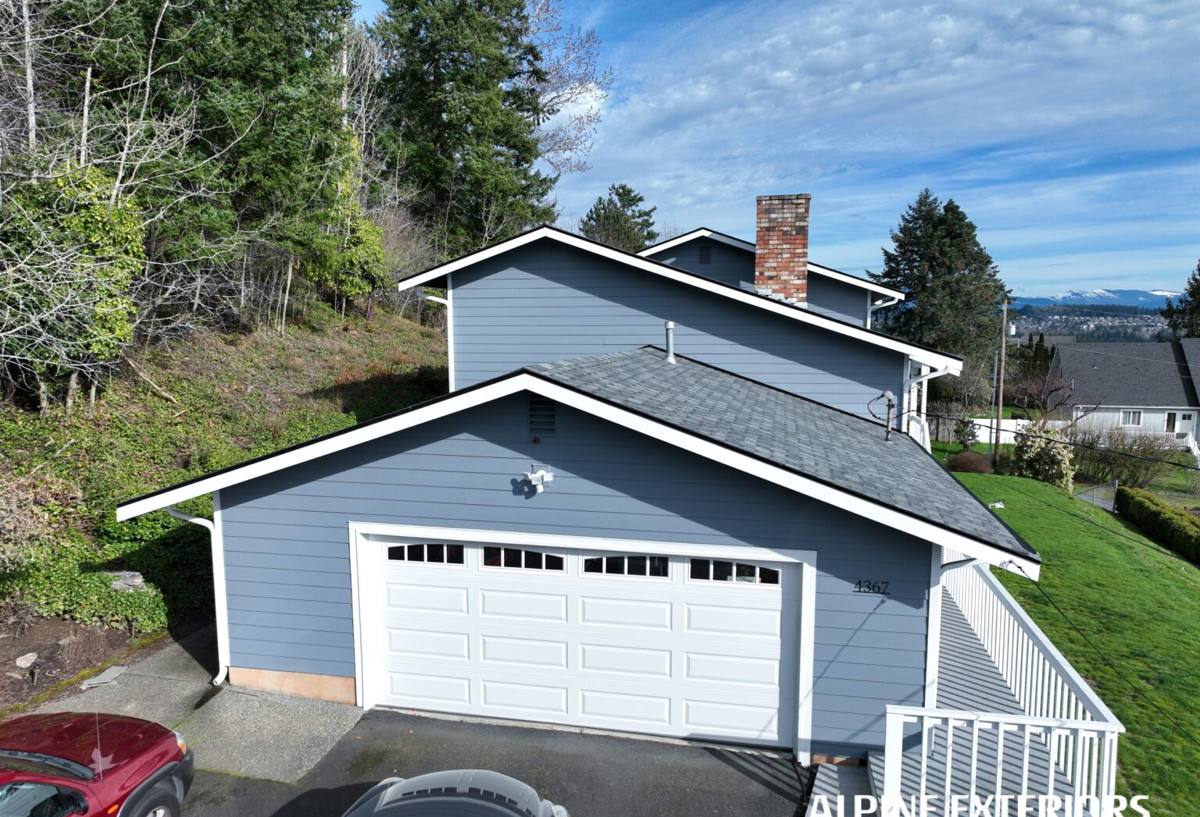
What the Local Climate Actually Does to a Shingle Roof
Salt Air and Metal Components
Asphalt shingles themselves tolerate salt exposure reasonably well, but the metal parts of a roofing system don't get the same free pass. Nails, flashing, drip edge, and vent housings can corrode faster near the water than they would a few miles inland. That's why the fastener and flashing spec matters as much as the shingle brand — galvanized or stainless materials with real corrosion resistance hold up; bargain-grade metal doesn't, and it's usually the flashing and fasteners that fail years before the shingles do.
Wind-Driven Rain and Flashing Details
Straight-down rain is easy for any roof to shed. Rain that's being pushed sideways by wind off the water is a different problem — it finds every gap in step flashing, valley metal, and pipe boots. Most leaks we get called out for in this area aren't failed shingles; they're flashing that was installed to look right rather than to actually shed water under wind pressure.
Moss, Algae, and a Long Wet Season
Point Roberts gets the same extended damp season as the rest of the Whatcom County coastline, and shaded or north-facing roof slopes stay wet longer as a result. That's ideal growing conditions for moss and algae, both of which hold moisture against the shingle surface, work into the granule layer over time, and can lift shingle edges as they grow. A roof that isn't detailed and maintained with that in mind will show premature wear years before its shingles are actually worn out.
What a Correct Asphalt Shingle Installation Includes
A shingle roof is a system, not just a layer of shingles nailed to plywood. Skipping any one part of the system shows up as a callback a few years later, usually right when it's least convenient.
Underlayment and Water Barrier
We use synthetic underlayment across the field of the roof, with self-adhered ice-and-water membrane at eaves, valleys, and any low-slope transitions — the spots where wind-driven rain and standing water are most likely to find a weak point. This is a place where it genuinely costs more to do it right, and it's not a corner we'll cut to shave a bid.
Flashing That's Sized and Installed for This Location
Step flashing at every wall intersection, properly lapped valley metal, and correctly sized pipe boots go in before a single shingle is laid over them. Given the salt exposure here, we spec flashing metal and fasteners with real corrosion resistance rather than the minimum the building code allows.
Ventilation
Balanced intake and exhaust ventilation keeps the roof deck at a stable temperature and moisture level. Without it, moisture gets trapped under the shingles from the underside, which shortens shingle life regardless of how good the shingle itself is — and it also drives up moss growth on the topside by keeping the deck cooler and damper than it should be.
Nailing Pattern and Wind Rating
Manufacturer nailing patterns exist for a reason, and in a location that gets real wind off the water, we don't deviate from them to save time. Correct nail placement and count is the difference between a shingle that stays put in a windstorm and one that doesn't.
Choosing a Shingle for a Salt-Air, High-Moss Location
Not every asphalt shingle product is built the same way, and the right choice for Point Roberts isn't necessarily the cheapest or the most expensive option — it's the one that matches this specific exposure.
| Shingle Type | Typical Lifespan | Best Fit For | Trade-Offs |
|---|---|---|---|
| 3-tab (standard) | 15–20 years | Budget-conscious projects, secondary structures | Lower wind rating, less algae resistance, flatter appearance |
| Architectural / dimensional | 25–30 years | Most primary homes in this area | Higher upfront cost, but better wind rating and thicker granule layer |
| Algae-resistant (copper/zinc granules) | 25–30 years | Shaded or north-facing slopes, homes with heavy tree cover | Slight cost premium, but meaningfully slows moss and algae growth |
| Impact-resistant / high-wind rated | 30+ years | Exposed water-facing slopes | Highest material cost, longest warranty term |
For most Point Roberts homes, especially anything with shade or a slope facing the water, we lean toward an architectural shingle with algae-resistant granules. It's a modest premium over standard architectural product and it directly addresses the moss problem instead of just tolerating it.
How We Handle a Point Roberts Project
Because Point Roberts requires a border crossing to reach, we plan differently than we would for a job in Blaine proper. That means:
- Scheduling material delivery and crew arrival together, so we're not making multiple trips across the border for one job
- Confirming tear-off disposal logistics before the first shingle comes off, so debris isn't sitting on-site longer than necessary
- Building weather windows into the schedule with a wider margin, since a rained-out day here can't always be made up the next morning
- Doing a full walk-through and measurement visit up front so the crew shows up with the right materials the first time
None of that is complicated, but it has to be planned for rather than discovered mid-project. A crew that treats Point Roberts like any other stop on a route usually ends up either rushing the job or running over on time.
Repair or Full Replacement? Signs to Look For
Not every roofing issue means a full tear-off. Here's what we actually look at before recommending one over the other:
- Granules collecting in gutters or at downspouts — normal in small amounts, a red flag in large amounts
- Shingles that are curling, cupping, or lifting at the edges
- Visible moss growth that's thick enough to be holding shingle edges up off the deck
- Soft spots or sagging when walked, which usually points to deck damage underneath
- Daylight visible through the roof deck from inside the attic
- Age — most architectural shingles in this climate are worth a full inspection once they pass the 20-year mark
- Isolated damage (a storm-damaged section, a single failed flashing point) versus wear spread across the whole roof
If the damage is isolated and the rest of the roof is sound, a targeted repair is the honest recommendation. If we're seeing widespread granule loss, multiple leak points, or deck damage, patching it becomes a short-term fix that costs more in the long run than doing the replacement once.
Maintenance That Actually Extends Roof Life Here
The single biggest lever homeowners have over roof lifespan in this climate is moss and debris control, not shingle brand. A roof that's kept clear of moss, needles, and standing debris will consistently outlast an identical roof that isn't, regardless of which shingle was installed.
What We Recommend
- An annual inspection, ideally after the wettest part of the year has passed
- Gentle moss removal (never pressure washing, which strips granules) followed by a zinc or copper treatment strip along the ridge
- Keeping gutters and valleys clear of needles and leaf debris, especially where tree cover is heavy
- Trimming back branches that keep a section of roof shaded and damp longer than the rest
- Addressing small flashing or sealant issues as soon as they're spotted, before a small leak becomes a deck repair
What This Kind of Roofing Work Typically Costs
Every roof is different, but these are the factors that actually move the price, so you know what you're paying for when you get a quote.
| Cost Factor | Why It Matters |
|---|---|
| Roof size and number of planes | More cuts, valleys, and hips mean more labor and material waste |
| Existing layers to remove | Tear-off of old shingles adds labor and disposal cost over a fresh deck |
| Deck condition | Rotted or soft decking found during tear-off needs replacement before shingles go down |
| Shingle class chosen | Standard, architectural, and algae-resistant products carry different material costs |
| Flashing and ventilation upgrades | Bringing older flashing or ventilation up to current standards adds cost but reduces future leaks |
| Access and logistics | Point Roberts' border-crossing access adds planning time versus a mainland Whatcom County job |
We'll give you a real number after we've actually looked at the roof — not a phone estimate, and not a lowball number designed to get a signature before the surprises show up.
Why It's Worth Hiring a Crew That Already Works in Point Roberts
A roofer who's done work here before already understands the border logistics, has seen how salt air and moss behave on roofs in this specific location, and isn't learning those lessons on your project. That translates into fewer surprises, a schedule that actually holds, and a roof detailed for the conditions it's going to face rather than a generic install. We work throughout Blaine and the surrounding Whatcom County coastline, and Point Roberts is a regular part of that territory, not an exception we have to figure out on the fly.
If your roof is showing its age, dealing with moss it shouldn't have, or you just want an honest opinion on repair versus replacement, we're happy to take a look. Fill out the form below for a free, no-pressure estimate.