 Blaine Siding
 Roof Replacement Built for Custer's Weather, Not a Catalog Photo
Custer sits in the flat, open farmland just south of Blaine, close enough to Semiahmoo Bay and the Strait of Georgia that the same marine air moves through both. That matters for a roof. A shingle rated for a dry inland climate is tested against heat and hail, not the specific combination Whatcom County throws at a roof year-round: salt-laden air, wind-driven rain that gets pushed sideways under poorly lapped flashing, and a moss season that can run eight or nine months out of twelve. A correct new roof installation here isn't about picking a nice-looking shingle out of a brochure. It's about detailing every transition — valleys, eaves, pipe boots, sidewall flashing — so that water and salt can't find the seams a generic install leaves open.
This page is specifically about new roof installation for homes in and around Custer. If you're comparing a repair against a full tear-off, or trying to understand what separates a roof that lasts 25 years from one that leaks by year twelve, the details below are the ones that actually decide the outcome.
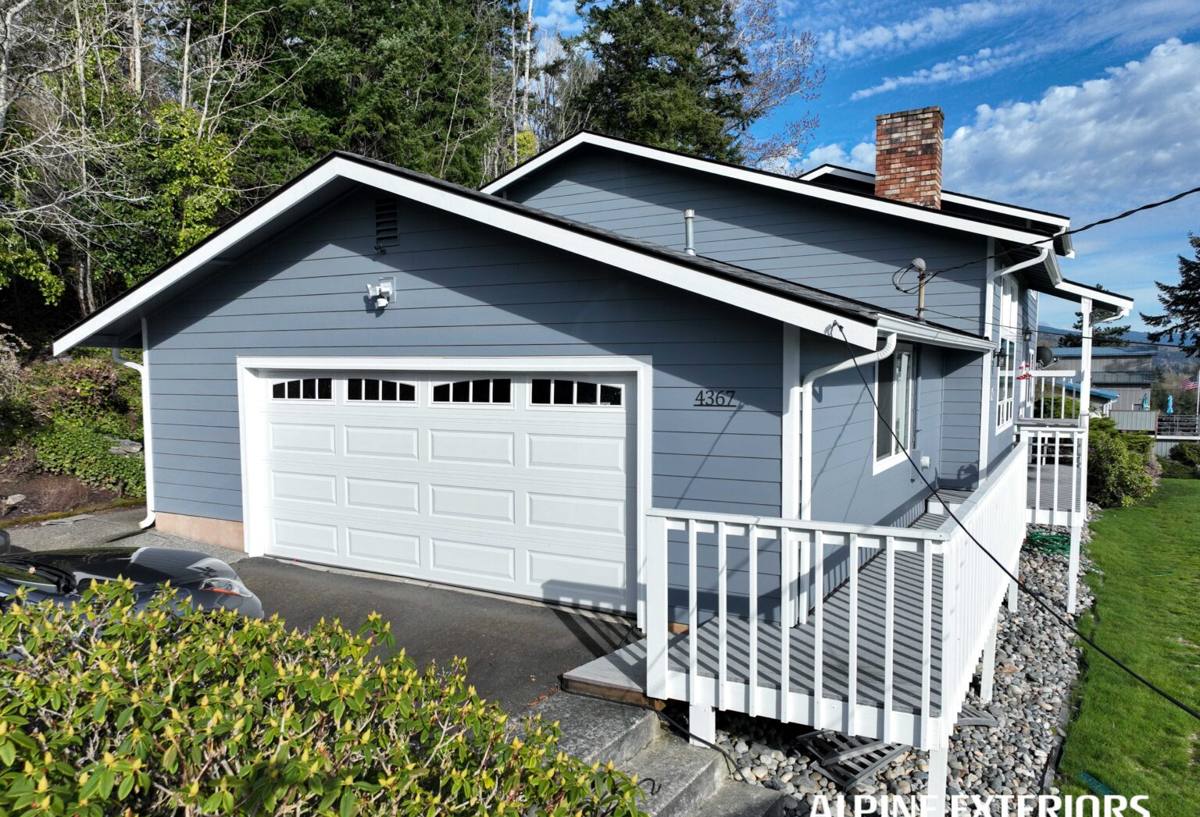
What Custer and Blaine-Area Roofs Are Actually Up Against
Salt Air and Metal Fasteners
Homes close to the water deal with airborne salt that accelerates corrosion on anything unprotected — exposed nail heads, cheap flashing, and bare fastener shanks. Over years, corroding fasteners lose their grip and flashing seams thin out, which is how small leaks start well before shingles look worn. It's a slower process than storm damage, so it's easy to miss during a casual inspection.
Wind-Driven Rain and Underlayment
Rain in this part of Whatcom County rarely falls straight down. Storms come in off the water with real horizontal push, which drives water up under shingle tabs and through any gap in the underlayment layer. A roof that would perform fine somewhere with calmer weather can leak here simply because the underlayment wasn't lapped and sealed for wind-driven conditions.
Moss, Shade, and a Long Wet Season
Custer's mix of tree cover and consistently damp weather gives moss a long window to establish itself, especially on north-facing slopes and anywhere debris collects. Moss holds moisture against the shingle surface, works its way under tabs as it grows, and can lift edges enough to let wind-driven rain in behind them. Left unaddressed for a few seasons, it shortens the life of an otherwise sound roof.
Signs a Custer Roof Needs Full Replacement, Not Another Repair
Not every problem calls for a new roof — but there's a point where patching becomes more expensive over time than replacing. Signs it's time to talk replacement instead of another repair visit:
- Granules collecting in gutters or at downspout outlets, showing the shingle surface is wearing thin
- Multiple past repairs in different areas, rather than one isolated problem spot
- Visible daylight or staining in the attic near the roof deck, especially after wind-driven storms
- Moss coverage thick enough that shingle tabs are lifting or curling underneath it
- Flashing around chimneys, skylights, or sidewalls that's rusted, cracked, or was never properly stepped
- A roof approaching or past 20-25 years old (typical asphalt composition shingle lifespan) with no upgrades to underlayment or ventilation since install
What a Correct New Roof Installation Involves
Full Tear-Off and Deck Inspection
We don't install over existing layers. A full tear-off lets us actually see the roof deck — soft spots, rot around old flashing, or damage from long-term moss moisture only show up once the old material is off. Any compromised sheathing gets replaced before anything new goes down; installing new shingles over a weak deck just hides the problem for a while.
Underlayment and Water Barrier Placement
Given how much wind-driven rain this area sees, underlayment choice and placement matter as much as the shingle itself. That means synthetic underlayment across the full deck and self-adhering ice-and-water barrier at the eaves, valleys, and any roof-to-wall transition — the spots where water is most likely to be pushed backward under normal shingle coverage.
Flashing Done Right the First Time
Step flashing at sidewalls, properly lapped valley flashing, and correctly sealed pipe boots are where most roof leaks actually originate — not in the open field of shingles. We flash every transition to shed water in the direction it's actually moving during a coastal storm, not just straight down.
Ventilation That Matches the Climate
Balanced intake and exhaust ventilation keeps the underside of the roof deck dry and reduces the moisture buildup that feeds both rot and moss growth from below. A new roof is the right time to correct ventilation that was never adequate on the original install.
Corrosion-Resistant Fasteners and Metal
All exposed metal — flashing, drip edge, fasteners — gets specified for salt-air exposure rather than standard-grade material. It costs a little more up front and avoids the slow corrosion failures that show up as leaks five or ten years down the road.
Roofing Material Options for This Climate
There's no single "right" material for every home — it depends on budget, roof pitch, and how much moss and moisture resistance you want to prioritize. Here's how the common options compare for Custer's conditions:
| Material | Moisture & Moss Behavior | Maintenance | Typical Lifespan |
|---|---|---|---|
| Architectural asphalt shingle | Good with proper underlayment; algae-resistant granule options help slow moss/moss-adjacent growth | Periodic moss removal, gutter clearing | 25-30 years |
| Standing seam metal | Sheds water fast, minimal moss anchoring surface, handles wind-driven rain well | Low; occasional fastener/seam check | 40-50+ years |
| Cedar shake | Attractive but holds moisture longer, more moss-prone without diligent upkeep | Higher; regular treatment and cleaning | 20-30 years with upkeep |
| 3-tab asphalt shingle | Baseline moisture resistance; thinner profile shows wear faster in wind-driven rain | Similar to architectural, shorter service life | 15-20 years |
For most Custer homes, architectural asphalt shingle with proper underlayment and flashing gives the best balance of upfront cost and long-term performance. Metal is worth considering for homes with heavy tree cover or owners who want to minimize moss maintenance long-term, even with a higher installed cost.
Our Installation Process, Start to Finish
- On-site inspection and estimate — we look at the current roof, attic ventilation, and any problem areas before quoting anything
- Material selection — walking through options based on your budget, roof pitch, and how much moss/moisture resistance matters to you
- Scheduling around weather windows — timing the tear-off and install for a stretch of dry days, which we plan around given how changeable Whatcom County weather can be
- Full tear-off and deck inspection — old material removed, deck checked and repaired as needed
- Underlayment, flashing, and ventilation install — the detail work that determines whether the roof actually performs in local conditions
- New roofing material installed — following manufacturer specifications for wind rating and exposure
- Final walkthrough and cleanup — magnetic sweep for stray fasteners, debris hauled off, and a walkthrough of the finished roof
Why a Crew That Already Works Custer and Blaine Matters
Roofing here isn't identical to roofing somewhere dry and inland, and it isn't identical to roofing in a heavily wooded, mountain-adjacent town either. A crew that regularly works Custer and Blaine already knows which shingle lines actually hold up against salt air and wind-driven rain locally, understands Whatcom County's permitting and building department requirements, and has a realistic sense of the weather windows that actually work for scheduling a tear-off in this area. That local familiarity shows up in fewer surprises mid-project and a roof detailed for the conditions it will actually face, not generic conditions from a training manual written somewhere else.
Maintenance After Installation to Protect Your Investment
A well-installed roof still benefits from basic upkeep in this climate:
- Clear gutters and downspouts at least twice a year so water isn't backing up under eave flashing
- Have moss growth addressed early, before it works under shingle tabs — a light annual treatment is far cheaper than the damage moss causes if ignored for years
- Trim back overhanging branches to reduce shade, debris buildup, and moss-friendly conditions
- After major windstorms, a quick visual check for lifted shingles or displaced flashing catches small problems before they become leaks
None of this replaces a correct install — good detailing at the flashing and underlayment level is what actually prevents leaks. But it does stretch the useful life of a well-installed roof even further.
If you're weighing a repair against a full replacement, or just want an honest read on how much life is left in your current roof, we're glad to take a look. Fill out the form below for a free, no-pressure estimate on new roof installation for your Custer or Blaine-area home.