 Blaine Siding
 Deck Replacement in Ferndale: Built for Whatcom County Weather
Ferndale sits close enough to the water that decks here live a harder life than decks do almost anywhere else in the state. Salt-tinged air off the Strait, long stretches of driving rain from fall through spring, and a moss season that can run six months or more all work on wood, fasteners, and footings at the same time. A deck that would last two decades in a dry inland climate can start failing structurally in half that time here if it wasn't built — or isn't maintained — with this specific environment in mind.
We're a Blaine-based crew that works Ferndale regularly, so this isn't a hypothetical. We see the same failure patterns on job after job: soft ledger boards where the deck meets the house, corroded fasteners hidden under decades of moss and dirt, and joists that look fine from the top but are punky underneath from years of trapped moisture. This page covers what a Ferndale deck replacement actually needs to hold up, what a correct job looks like, and how we approach it.
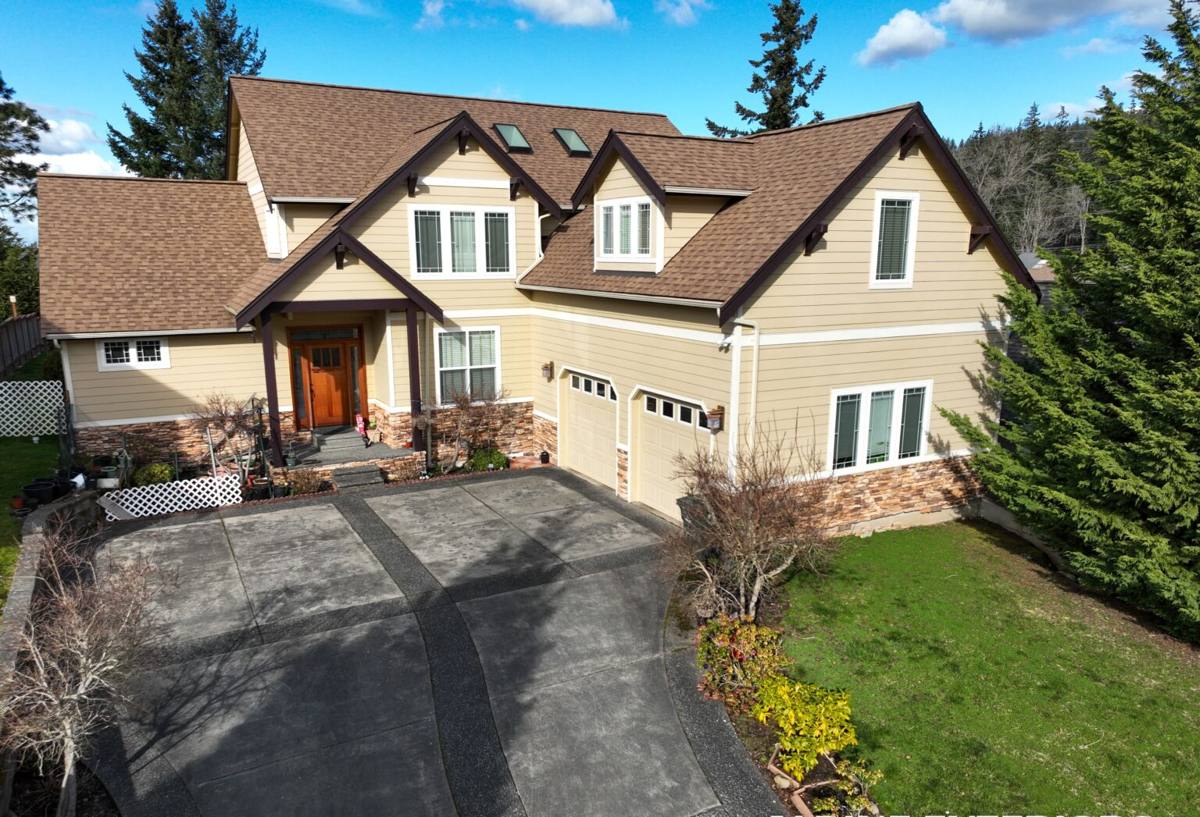
Why Ferndale's Climate Is Hard on Decks
Salt Air and Metal Fasteners
Proximity to Puget Sound and the Strait of Georgia means a steady low-level dose of salt in the air, even well inland from the immediate shoreline. Salt accelerates corrosion in any fastener or bracket that isn't rated for it. Standard galvanized nails and screws can start rusting from the inside out within a few years in this environment, and once a fastener weakens, the connection it's holding — ledger to house, joist to beam, post to footing — weakens with it. This is one of the most common reasons we get called out to decks that "look fine" but feel spongy or shift underfoot.
Driving Rain and Moisture Cycling
It's not just total rainfall — it's the pattern. Whatcom County gets long stretches of steady, wind-driven rain that pushes water into every gap, seam, and fastener hole. Wood that stays wet for days at a time and then dries out, over and over across a wet season, cycles through swelling and shrinking that opens up joints, cracks finishes, and eventually invites rot. Decking boards laid tight with no drainage gap, or ledger boards without proper flashing, are the two spots we see this damage show up first.
Moss, Algae, and Trapped Debris
Ferndale's tree cover and damp air make moss and algae a near-constant presence on horizontal wood surfaces. Left alone, moss holds moisture directly against the decking and framing below it, which is exactly the condition wood decay fungi need to get established. Debris that collects between boards or in corners does the same thing — it's not just cosmetic, it's a moisture trap sitting on structural material.
What a Correct Deck Replacement Involves
Replacing a deck isn't just pulling up old boards and screwing down new ones. In this climate, the parts you don't see matter more than the parts you do.
- Ledger board and flashing: Where the deck attaches to the house is the single most common point of hidden rot. Correct flashing detail here — not just caulk — is what keeps water from running behind the ledger and into the house framing.
- Joist and beam sizing: Framing needs to be sized and spaced for the actual load and span, not just matched to what was there before, especially if the old deck was undersized to begin with.
- Fastener and hardware selection: Corrosion-resistant, code-rated connectors and fasteners suited to a marine-influenced climate, not standard-grade hardware that looks the same on the shelf but won't hold up.
- Footings: Checked or replaced to current code depth and bearing requirements — old decks in this area were often built on undersized or shallow footings that don't meet current standards.
- Drainage and airflow: Proper gapping between boards and clearance underneath so the structure can actually dry out between rain events instead of staying damp.
- Guardrails and stairs: Brought up to current code, which matters both for safety and for resale or insurance purposes.
Decking Material Options for Ferndale Conditions
There's no single "best" decking material — there's a best fit for your budget, maintenance appetite, and how the deck gets used. Here's how the common options hold up specifically against Whatcom County's wet, mossy conditions.
| Material | Moisture & Moss Resistance | Maintenance | Typical Lifespan Here |
|---|---|---|---|
| Pressure-treated lumber | Good if sealed regularly; moss and algae will still colonize the surface without cleaning | Annual cleaning, periodic sealing | 15-20 years with upkeep |
| Cedar | Naturally rot-resistant but still needs care in constant damp; surface grays and can support moss if untreated | Cleaning and refinishing every 1-2 years | 15-25 years with upkeep |
| Composite decking | Won't rot, but low-quality composites can trap moisture at the surface and still grow algae/moss if not cleaned | Periodic washing, no sealing or staining | 25-30+ years |
| PVC/capped composite | Best resistance to moisture absorption and staining; still needs occasional cleaning to keep moss from forming a film | Low — occasional washing | 25-30+ years |
We'll walk through these trade-offs honestly during your estimate — including upfront cost versus long-term maintenance — rather than steering you toward whatever has the best margin. What matters most is that whatever material you choose sits on framing and fasteners built for this climate, because that's what actually determines how long the deck lasts.
Signs Your Ferndale Deck Needs Replacing, Not Just Repairing
Not every deck problem means a full tear-off. But there are signs that point to replacement rather than patching:
- Soft, spongy, or springy decking boards, especially near the house
- Visible gaps or separation where the ledger meets the house siding
- Rust staining running down from fasteners or connectors
- Wobble or movement in the railings or posts
- Persistent moss or algae growth that returns within weeks of cleaning
- Framing that feels soft when probed with a screwdriver, particularly at joist ends and the ledger
If you're only seeing one or two of these on a deck that's otherwise sound, a repair might be enough. If you're seeing several at once, or the structural members themselves are compromised, replacement is usually the more honest recommendation — patching rot rarely stops it from spreading.
Our Process
1. On-Site Assessment
We start by actually getting under and around the existing deck — not just walking the surface. That means checking ledger condition, probing joists and posts, and looking at footing depth and condition, since these are the things that determine whether a deck fails early in this climate.
2. Straight Talk on Scope and Materials
We'll tell you what's actually wrong, what code requires for the rebuild, and what your material options look like given your budget and how you use the space. No upselling to the most expensive option, no downplaying issues to win the bid cheap.
3. Tear-Out and Structural Rebuild
Old decking, framing, and hardware come out. Ledger flashing, joists, beams, and footings get rebuilt or upgraded to current code, using fasteners and connectors rated for this climate.
4. Decking, Railing, and Finish Work
Your chosen decking material goes down with proper spacing for drainage, followed by code-compliant railings and stairs, and any finishing (sealing, staining) the material calls for.
5. Walkthrough
We go over the finished deck with you, including basic maintenance guidance specific to the material you chose and this climate — moss cleaning schedule, sealing intervals if applicable, and what to watch for going forward.
Why a Local Crew Matters for This Job
Deck framing and fastener choices that work fine in a dry climate are undersized or under-protected here. A crew that primarily builds decks in other parts of the state, or that treats every job the same regardless of location, is more likely to default to standard-grade materials that weren't chosen with salt air and constant moisture in mind. Working Ferndale and the broader Whatcom County area regularly means we're pulling up the same failure patterns often enough to build every replacement to avoid them from the start — correct flashing details, climate-rated hardware, and framing that accounts for the moisture cycling this area gets every year.
We're also familiar with local permitting requirements for deck rebuilds, which saves time and avoids surprises partway through the project.
Maintenance That Extends the Life of Your New Deck
Even a well-built deck needs some seasonal attention in this climate to hit its full lifespan:
- Sweep or blow off debris regularly, especially in fall when leaves accumulate between boards
- Clean moss and algae off the surface at least once or twice a year — pressure washing on a low setting or a deck cleaner formulated for wood or composite
- Check and re-tighten any loose railing or stair connections annually
- Reseal or restain wood decking on the schedule appropriate to the product (typically every 1-2 years for cedar or treated lumber)
- Keep gutters and downspouts near the deck clear so runoff isn't dumping extra water onto or under the structure
If your Ferndale deck is showing signs of rot, corrosion, or age, or you're just ready to replace an old one with something built to actually handle this climate, we're happy to take a look. Estimates are free, there's no pressure, and you'll get a straight answer about what your deck needs and what it will take to fix it right.