 Blaine Siding
 Storm Damage Repair for Dakota Creek Homes
Dakota Creek sits close enough to the water and open farmland that homes here take a different kind of weather beating than roofs a few miles inland in town. Wind off the Strait doesn't just blow — it drives rain sideways under shingle edges and flashing laps that were never designed to shed water horizontally. When a storm rolls through Whatcom County, the roofs that show damage first are usually the ones out toward Dakota Creek, Semiahmoo, and the low-lying stretches near the water, simply because that's where the wind hits hardest and the moisture sits longest.
This page covers what storm damage roof repair actually looks like for homes in this specific area — what to check for, how a proper repair is done, and why it matters to work with a crew that already understands the microclimate out here rather than a general contractor working from a generic checklist.
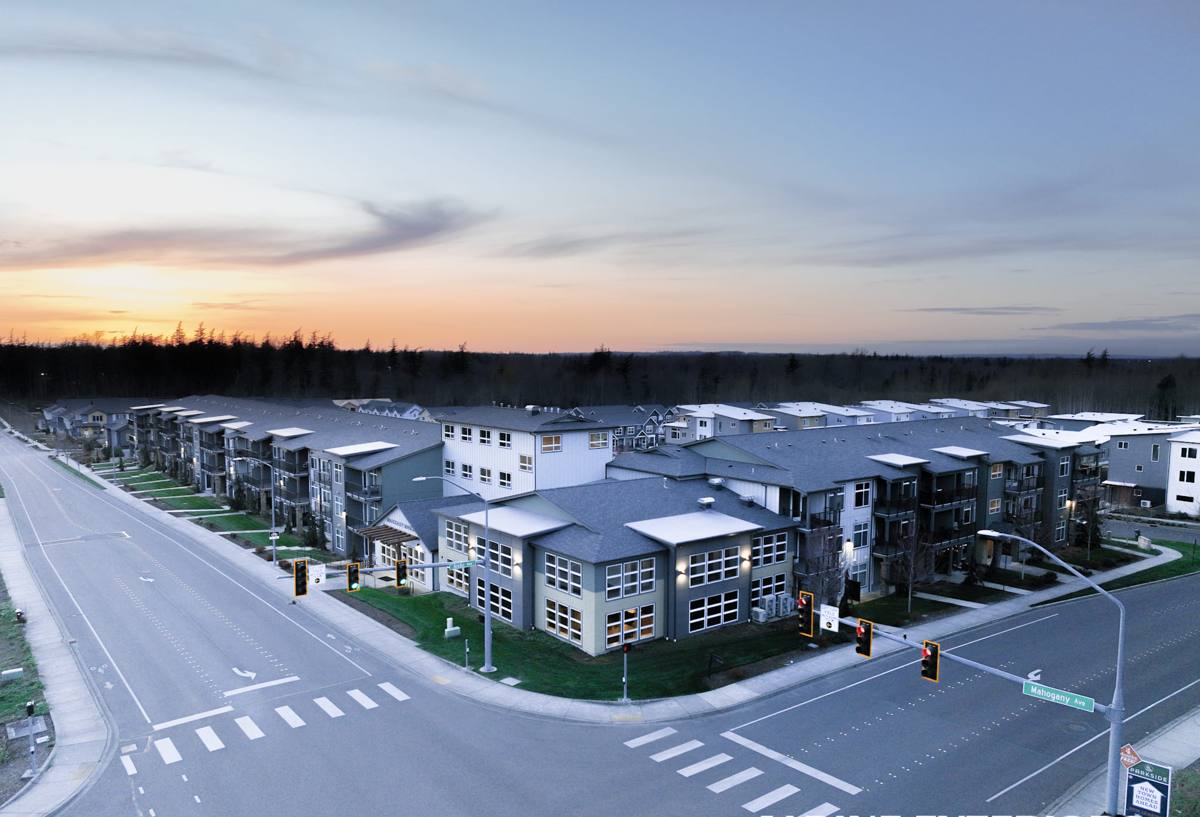
Why Dakota Creek Roofs Take Extra Punishment
Three things stack up against roofs in this part of Blaine, and they compound each other:
- Salt air corrosion. Proximity to the water means metal flashing, fasteners, and exposed nail heads corrode faster than they would even ten or fifteen miles inland. Corroded fasteners back out or lose their grip, which is often the real reason shingles lift in a storm rather than the wind alone.
- Driving rain, not just heavy rain. Wind-driven rain gets pushed uphill under laps and around penetrations — vent pipes, chimneys, skylights — in ways straight-down rain never would. A roof that's watertight in a calm downpour can still leak in a wind event.
- A long moss season. Whatcom County's damp, mild winters give moss months to establish itself on north-facing and shaded slopes. Moss holds moisture against the roofing material and lifts shingle edges as it grows, which creates entry points that storms then exploit.
None of these are dramatic on their own. Together, over a few seasons, they turn a small storm into a repair job that could have been a five-minute fix if it had been caught earlier.
What Actually Counts as Storm Damage
Not everything that looks bad after a windstorm needs a repair crew, and not everything that looks fine actually is fine. Here's a general breakdown:
| Likely Storm Damage | Usually Just Wear (Monitor) |
|---|---|
| Shingles torn loose, creased, or missing outright | Minor granule loss on shingles 10+ years old |
| Flashing bent, lifted, or separated at chimneys/vents | Light surface moss on a shaded slope |
| Active leak or new water stain on a ceiling after a storm | Slight fading or color variation in shingle color |
| Debris impact — branch strikes, dented vents or caps | Small amount of granules in the gutter after any storm |
| Soffit or fascia pulled loose from wind uplift | Hairline cracking on older asphalt shingles |
The honest answer is that a lot of storm damage isn't visible from the ground. A missing shingle is obvious; a lifted lap under an intact-looking shingle is not, and that's the kind of thing that turns into a slow leak over the following month rather than an immediate one.
Signs You Should Get a Roof Looked At Soon
- Granules collecting in gutters or at downspout outlets after a windstorm
- Any new stain, discoloration, or soft spot on an interior ceiling
- Shingles visibly curling, cupping, or lifted at the edges from the ground
- Daylight visible through the attic roof deck (if you can safely check)
- Moss buildup thick enough that you can see it from the street
Our Assessment Process
A storm damage assessment isn't the same as a general roof inspection — it's focused on what changed. We walk the roof (or use a ladder and close visual inspection where walking isn't safe on the pitch), and specifically check:
- Every ridge line and hip for lifted or displaced shingles
- Flashing at every penetration — chimneys, vents, skylights — since these are the most common failure points in wind events
- Fastener condition, especially on older roofs where salt air corrosion has had time to work
- Gutter and downspout condition, since storm damage often knocks these loose too
- Attic or interior ceiling for any early signs of moisture intrusion
We give you a straight answer on what's storm-related, what's pre-existing wear, and what can reasonably wait. If nothing needs repair, we say so — a rushed sales pitch after a storm is how homeowners end up paying for work they didn't need.
What a Correct Repair Actually Involves
Storm repair work gets done badly more often than most trades, mainly because it's easy to patch the visible symptom and leave the underlying cause. A shingle nailed back down over a flashing lap that's still bent isn't a repair — it's a delay.
A repair done right typically includes:
- Removing and replacing any shingle that's torn, creased, or lost its seal — creased shingles don't reseal properly even if they look intact after being pressed back down
- Re-bedding or replacing flashing that's been lifted or bent, not just caulking over the gap
- Checking and replacing corroded fasteners in the repair area, not just the ones that visibly backed out
- Confirming the underlayment beneath the damaged section hasn't been compromised — this is the part that actually stops water if the shingle layer fails again
- Matching shingle color and profile as closely as possible so the repair doesn't stand out as a patch
Repair or Replace? Honest Factors to Weigh
Not every storm-damaged roof needs a full replacement, and not every roof is worth repairing indefinitely. These are the factors that actually matter:
| Factor | Leans Toward Repair | Leans Toward Replacement |
|---|---|---|
| Roof age | Under 12-15 years | Approaching or past expected lifespan |
| Extent of damage | Isolated to one slope or section | Spread across multiple slopes |
| Underlying condition | Deck and underlayment sound | Soft decking or widespread moss/moisture damage found |
| Repair history | First or second repair on this roof | Pattern of repeat repairs in the same areas |
| Insurance scope | Damage limited to what a claim covers | Claim already covers full slope or full roof |
We'll tell you plainly which side of that table your roof falls on. A roof with one storm-damaged slope and a sound deck underneath doesn't need to become a full replacement conversation.
Materials and Flashing — Our Standard for This Climate
For storm and flashing repair work in a salt-air, high-moisture area like Dakota Creek, we lean toward corrosion-resistant metal flashing and fasteners rather than the cheaper standard-grade hardware that's fine in drier inland regions. It costs a little more upfront and holds up considerably longer against the salt air here, which matters more for a repair that's supposed to be permanent than it does for new construction where a full re-roof is expected on a longer cycle anyway.
We also avoid quick fixes like heavy caulk or roofing cement as a stand-alone solution over flashing problems. It can look like a fix for a season or two, but caulk degrades faster than it looks like it will under constant damp and UV exposure, and it tends to trap moisture against the metal rather than shed it. Our standard is to correct the flashing geometry itself so water sheds the way it's supposed to, not to seal over a problem that will resurface.
Insurance and Documentation
If the damage is significant enough to involve a homeowner's insurance claim, documentation matters as much as the repair itself. We photograph the damage before starting work, note what's storm-related versus pre-existing, and provide a written scope that lines up with what an adjuster will expect to see. We're not a public adjuster and don't negotiate your claim for you, but a clear, honest scope of work makes that conversation with your insurer go a lot smoother than a vague invoice does.
Why Local Experience in This Specific Area Matters
A crew that regularly works Dakota Creek and the surrounding parts of Blaine already knows which slopes on which house orientations catch the worst of the wind, where moss tends to build up fastest given the tree cover and shade patterns out here, and which flashing details tend to fail first in this particular combination of salt air and driving rain. That's not something you get from a contractor who mainly works drier inland neighborhoods and treats every coastal Whatcom County job as a one-off.
It also means faster response after a storm. Knowing the area means knowing the access points, the typical roof pitches and styles in the neighborhood, and not having to relearn local conditions on your dime.
What to Do in the First 48 Hours After Storm Damage
- Photograph visible damage from the ground before anything is moved or covered
- Check the attic or top-floor ceilings for new stains or dampness
- Clear debris away from gutters and downspouts so water can drain
- Avoid walking the roof yourself if the pitch is steep or the decking may be compromised
- Get a professional assessment before filing an insurance claim, so the scope is accurate
- Cover any active leak with a tarp only as a temporary measure, not a fix
If a recent storm has left shingles missing, flashing bent, or a new stain on your ceiling, it's worth having someone who works this area regularly take a look before the next round of Whatcom County weather makes it worse. We offer free, no-pressure estimates for storm damage assessments in Dakota Creek and the surrounding Blaine area — fill out the form below and we'll get back to you with a straight answer on what your roof actually needs.