 Blaine Siding
 Why Peace Arch Homes Need a Different Approach to Window Replacement
Peace Arch sits close enough to the water and the border that its homes take a steady beating from conditions most inland Whatcom County neighborhoods never see. Salt-laden air off the Strait works into metal hardware and fasteners. Driving rain, pushed sideways by wind off the water, tests every seam around a window opening. And the long, damp moss season here means anything organic growing near a sill or trim board stays wet for months at a time. A window that would hold up fine in a drier, more sheltered part of the county can fail years early in this stretch of Blaine if it isn't installed with that reality in mind.
This page is about one job, done right, in one place: replacing windows on homes in and around Peace Arch. Not a general product pitch — the specific things this climate demands, and what we actually do differently because of it.
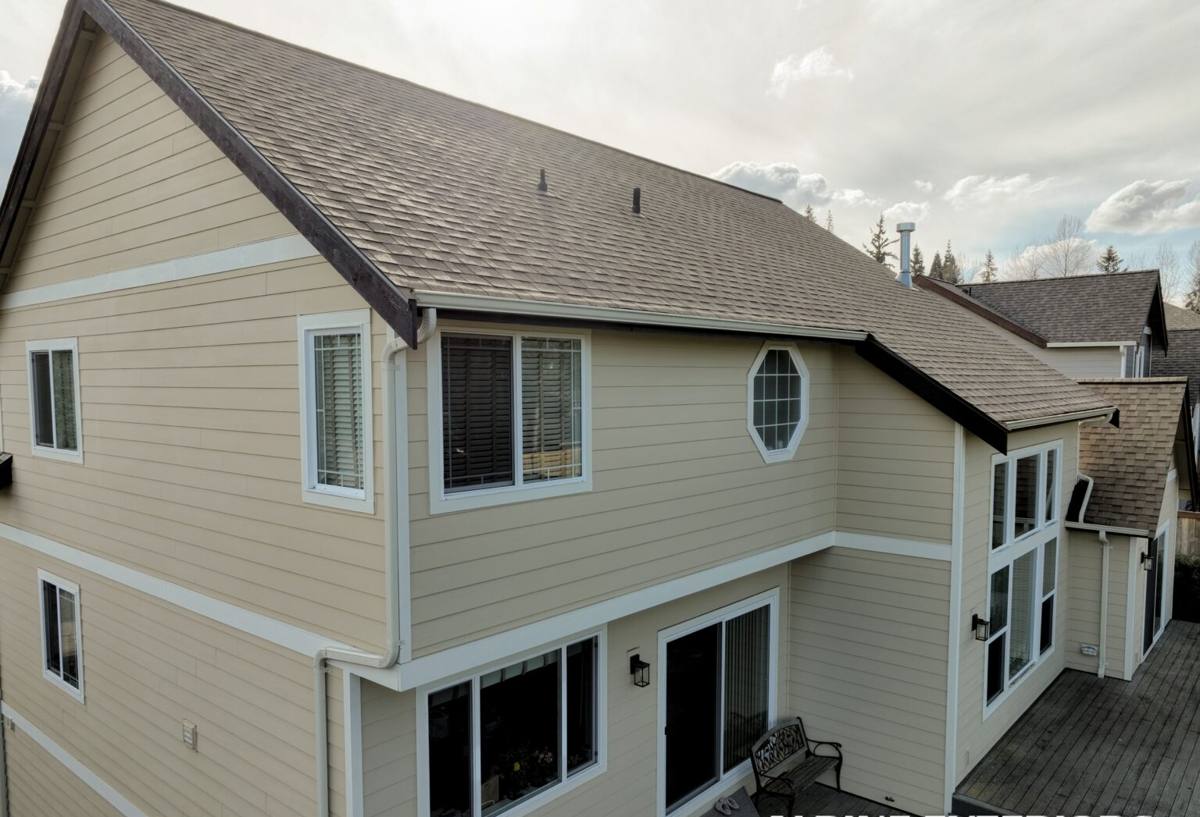
What Blaine's Climate Does to Windows Over Time
Salt Air and Metal Fatigue
Salt air accelerates corrosion on window hardware — hinges, balances, screws, and cranks — faster than most homeowners expect. On older aluminum-frame windows, this shows up as pitting and stiff operation. On newer vinyl and fiberglass units, the frames themselves resist it well, but the fasteners and hardware still need to be corrosion-rated, or you're replacing hinges and locks again in a fraction of the time you'd get elsewhere in the county.
Driving Rain and Water Intrusion
Wind-driven rain doesn't just fall on a window — it gets pushed sideways and upward into gaps that would stay dry in calmer weather. This makes flashing detail and sill pan design far more important here than in sheltered inland lots. A window that's caulked but not properly flashed will often look fine for a year or two before water starts tracking behind the trim and into the wall cavity, where it does the real damage out of sight.
Moss Season and Trim Rot
Blaine's long wet season keeps moss and algae established on north-facing trim and sills for much of the year. Where that growth sits against wood trim or an old wood window frame, moisture gets trapped against the surface instead of shedding, and rot follows. This is one of the most common reasons we get called out to Peace Arch homes with windows that are otherwise only 15–20 years old.
Signs Your Peace Arch Home Needs Window Replacement
- Soft or spongy wood at the sill, jamb, or exterior trim when pressed with a finger
- Visible gaps, cracked caulk, or daylight around the frame from inside
- Persistent fogging or moisture between panes on double-glazed units — a sign the seal has failed
- Windows that are hard to open, close, or lock, especially after damp weather
- Noticeable draft or cold spots near the window even with it fully closed
- Paint that keeps peeling or bubbling on the interior or exterior frame
- Rising heating bills without any other obvious cause
- Visible corrosion on hardware, hinges, or cranks
What a Correct Window Replacement Job Involves
Removal and Inspection
Every replacement starts with pulling the old unit and actually looking at what's behind it — the rough opening, the sheathing, and any framing near the sill. In a climate like this, hidden rot from years of moisture intrusion is common enough that we treat this step as mandatory, not optional. Skipping it and just dropping a new window into a compromised opening is how homeowners end up paying for the same repair twice.
Flashing and Weatherproofing
Given how much driving rain this area sees, we pay close attention to sill pan flashing, head flashing, and how the window ties into the house wrap or building paper. The goal is a shingled, gravity-fed water path so any moisture that does reach the opening drains out and away from the wall assembly instead of pooling or wicking inward. This detail matters more here than in most parts of the county, and it's the part that's invisible once the trim goes back on — which is exactly why it has to be done right the first time.
Frame Material Choices
For homes exposed to salt air and sustained damp, frame material affects long-term maintenance more than almost any other decision in the project. Here's how the common options generally hold up in this specific environment:
| Frame Material | Coastal/Salt Air Behavior | Maintenance Burden |
|---|---|---|
| Vinyl | Does not corrode; performs well against salt air | Low — occasional cleaning |
| Fiberglass | Very stable, resists moisture and temperature swings well | Low — durable finish, minimal upkeep |
| Aluminum (older or uncoated) | Prone to pitting and corrosion near salt air over time | Moderate to high — hardware and finish need attention |
| Wood or wood-clad | Attractive but vulnerable where cladding or paint fails and moss/moisture reach the wood | High — regular painting/sealing and rot inspection |
We don't refuse to install wood-frame windows, but we're upfront that in a moss-heavy, salt-air environment like Peace Arch, they carry a real ongoing maintenance commitment. Vinyl and fiberglass hold up with far less babysitting, which is why most homeowners in this area end up choosing one of those two once they understand the trade-off.
Our Process for Peace Arch Window Replacement Projects
- On-site assessment — we look at each window opening individually, not just the house as a whole, since sun exposure and wind direction can vary window to window even on the same home.
- Honest scope discussion — we tell you plainly if we find rot, undersized openings, or other issues that affect the job, before work starts, not after.
- Material selection — we walk through frame and glass options suited to this specific climate, not a generic catalog pitch.
- Careful removal — old units come out without unnecessary damage to surrounding siding or trim.
- Proper flashing and installation — sill pans, flashing, and air sealing are installed to shed water outward, not just caulked and hoped for.
- Trim and finish work — exterior trim is sealed and finished to hold up against the area's wet season.
- Final walkthrough — every window is tested for smooth operation and a tight seal before we consider the job done.
Cost Factors for Window Replacement in This Area
Every home is different, so we don't quote sight unseen — but these are the factors that most commonly move the price up or down on Peace Arch projects:
| Factor | Why It Matters Here |
|---|---|
| Number and size of openings | More or larger windows means more material and labor |
| Hidden rot or framing damage | Common in older homes near the water; adds repair scope once discovered |
| Frame material chosen | Vinyl and fiberglass generally cost less upfront and less to maintain than wood-clad |
| Glass package | Higher-performance glass helps with both energy loss and condensation control in this humid climate |
| Access and site conditions | Second-story or hard-to-reach windows add labor time |
As a broad range, straightforward single-window replacements typically run in the low-to-mid thousands per opening depending on size and material, with whole-house projects scaling from there. We'll give you real numbers once we've actually looked at your windows.
Why Local Experience in Peace Arch Matters
A crew that mostly works drier, more sheltered areas inland can still do competent work — but they won't necessarily think to spec corrosion-rated hardware, or size the flashing detail for wind-driven rain the way it needs to be sized this close to the water. Working regularly in Blaine and along the Whatcom County coastline means we're not guessing at how salt air, storm-driven rain, and a long moss season affect a window installation — we're building around it as a matter of course, not as an afterthought.
Maintenance After Installation
Good installation reduces maintenance, but it doesn't eliminate it entirely in this climate. A few habits go a long way:
- Rinse salt residue off frames and hardware periodically, especially after storms
- Keep gutters and downspouts clear so runoff isn't sheeting directly onto window trim
- Clear moss or algae buildup on nearby trim and siding before it spreads onto window surfaces
- Check caulk lines annually and touch up any cracking before wet season sets in
- Operate hardware periodically through the year so mechanisms don't seize from disuse
If you're seeing drafts, moisture, sticking hardware, or trim damage around your windows, we're happy to take a look and give you a straight answer about what's actually needed — no pressure, no upsell. Reach out for a free estimate using the form below.