 Blaine Siding
 Building New in California Creek? Get the Windows Right the First Time
New construction is the one chance to install windows correctly before drywall, siding, and trim close everything up. In California Creek, that first installation matters more than most places. This pocket of the Blaine area sits close enough to the water to catch salt-laden air off Semiahmoo Bay and Drayton Harbor, and it gets the same driving, wind-pushed rain that soaks all of Whatcom County for months at a time. A window opening that's flashed correctly on day one will outlast the house's first roof. One that's flashed wrong will cause a callback within a few winters — usually as a stain on the drywall below the sill, not as an obvious leak you can see from outside.
We work new-construction window installs in and around California Creek regularly, alongside our siding and exterior work in the same neighborhoods. That means we're not learning this lot's wind exposure or this street's drainage pattern for the first time — we already know what the shoulder-season storms do to a west-facing opening out here.
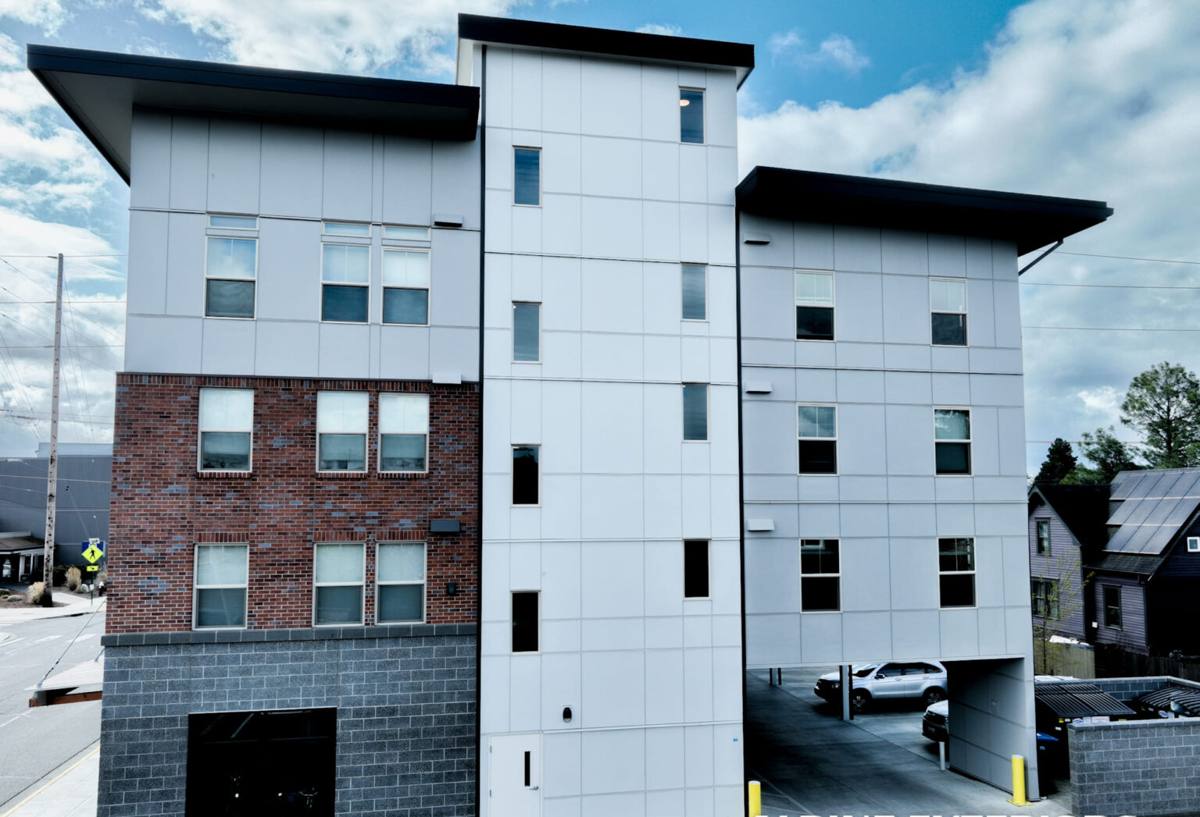
What This Climate Actually Does to a New Window Opening
Salt Air and Metal Components
Properties near Drayton Harbor and Semiahmoo Bay get airborne salt on breezy days, even a mile or more inland. Salt accelerates corrosion on unprotected fasteners, cheap window hardware, and uncoated flashing. It doesn't damage vinyl or fiberglass frames directly, but it will eat through the wrong screws, the wrong flashing metal, or exposed staples over a decade or two. On new construction, this is solved cheaply — corrosion-resistant fasteners and flashing cost a little more per window and are a non-issue once installed.
Driving Rain, Not Just Rain
Whatcom County doesn't just get rain — it gets wind-driven rain that hits window openings sideways, especially on west and southwest exposures that face open water or open fields. A window that's simply "installed level and caulked" will pass a dry-day inspection and still leak the first time a real winter storm rolls through. What stops driving rain is the sequencing underneath the window — the flashing, the water-resistive barrier laps, and the sill pan — not the caulk bead you can see.
Long Moss and Damp Season
This area's moss season isn't just a roof problem. The same damp, low-light months that grow moss on north-facing roof slopes also keep window sills, trim, and the siding around openings wet for extended stretches. Any organic wood trim or sill material that stays damp for weeks at a time is set up for rot unless it's detailed to shed water and dry out between storms.
What a Correct New-Construction Window Install Includes
New construction gives us access to the rough opening before it's covered, which is the only time some of this work can be done right. The sequence matters more than the window brand.
- Rough opening sized and squared to the window unit's actual dimensions, not "close enough"
- Sloped sill pan flashing so any water that gets past the window drains back outside, not into the wall cavity
- Water-resistive barrier (house wrap) integrated with the window flanges in the correct shingle-lap order — top piece always overlapping the one below it
- Corrosion-resistant flashing tape and fasteners rated for coastal or high-moisture exposure
- Window set plumb, level, and square, with shims at load-bearing points, not just at the corners
- Low-expansion foam or backer rod and sealant at the gap between frame and rough opening — never foam alone as the only air seal
- Exterior sealant at the correct joints only, leaving the bottom flange or weep path unsealed so trapped water can escape
- Interior air sealing completed before insulation and drywall cover the opening
Window Types and What They're Actually Suited For
We install standard vinyl and fiberglass window lines from the major manufacturers builders already spec for new construction in this region. The frame material matters less for a new build than the installation quality, but the table below covers the honest trade-offs homeowners in California Creek ask about most.
| Frame Type | Coastal/Salt Air Behavior | Moisture & Rot Risk | Maintenance |
|---|---|---|---|
| Vinyl | Not affected by salt air; no corrosion | Low — no organic material to rot | Occasional cleaning; no painting |
| Fiberglass | Excellent; dimensionally stable in temperature swings | Low | Minimal; can be painted if desired |
| Aluminum-clad wood | Cladding protects exterior; good if detailing is correct | Interior wood core needs sealed joints kept intact | Periodic check of cladding seams and interior finish |
| Bare wood | Requires more upkeep near salt air and standing damp | Higher — exposed wood in a long wet season needs consistent maintenance | Regular repainting/sealing on a maintenance schedule |
For most new builds in California Creek, we steer clients toward vinyl or fiberglass for exterior-facing rooms and any window on a west or south exposure that takes the brunt of the weather, simply because it removes an ongoing maintenance task from a homeowner's list. That's a maintenance-burden call, not a knock on wood or clad-wood windows installed and maintained properly — they're a legitimate choice when someone wants that look and is committed to the upkeep.
Our Process on a New-Construction Job
1. Plan Review and Opening Verification
Before windows arrive, we check rough opening sizes against the ordered units and flag any framing discrepancies with the builder or homeowner while it's still cheap to fix.
2. Flashing and Barrier Sequencing
Sill pan, jamb flashing, and house wrap integration happen in the correct order before the window ever gets set. This is the step that determines whether the house stays dry in ten years, and it's the step that's invisible once trim goes on.
3. Setting and Fastening
Each window is shimmed, squared, and fastened per the manufacturer's specification — fastener spacing and type affect the warranty, so we follow the spec exactly rather than a generic pattern.
4. Air Sealing and Insulation Interface
We seal the interior gap before insulation crews close the wall, so there's no thermal bypass or hidden air leak sitting behind the drywall.
5. Final Exterior Detailing
Sealant joints, trim, and any siding tie-in are finished last, once we've confirmed the window operates correctly and nothing shifted during framing or siding work around it.
6. Walkthrough
We walk the finished openings with the homeowner or builder, operate every window, and confirm hardware, screens, and trim before calling it done.
Common New-Construction Mistakes We're Called In to Prevent
- Flashing installed in the wrong lap order, so water runs behind the barrier instead of over it
- Window flanges sealed on all four sides, trapping any water that does get in with no way out
- Foam used as the sole air seal with no backer rod or sealant, which cracks and gaps over time
- Fasteners that don't match the manufacturer spec, which can void the window warranty
- Rough openings framed slightly out of square, forcing installers to force the window in and stress the frame
- Standard fasteners and flashing used on a coastal-exposed opening instead of corrosion-resistant hardware
Why Local Experience in California Creek Matters
New-construction window installation isn't exotic work — the building science is well established. Where local experience pays off is in judgment calls: knowing which exposures in this specific pocket of Whatcom County take the worst wind-driven rain, which lots sit low enough to hold ground moisture longer into the season, and which detailing upgrades are worth the modest added cost versus which are overkill for a given lot. A crew that's done this in California Creek and the surrounding Blaine area isn't guessing at those calls — we've already seen how these openings perform through a winter storm season.
We also coordinate directly with builders and other trades on site, since window installation touches framing, house wrap, and siding schedules. Clear sequencing between trades is as important to a dry building envelope as the window installation itself.
What to Expect on Cost and Timing
New-construction window pricing depends on the number of openings, window sizes, frame material, and how much flashing and sill detailing each opening needs — a straightforward rectangular opening on a protected wall costs less to detail than a large opening on an exposed, weather-facing elevation. We'll give you a clear, itemized quote once we've reviewed the plans or the framed openings, with no surprise add-ons once work is underway. Timing on a typical new build is coordinated with the framing and dry-in schedule, since windows generally need to go in before the house wrap and siding close around them.
Get a Straight Answer on Your California Creek Build
If you're framing a new home in California Creek or elsewhere near Blaine, we're happy to look over your window schedule and rough openings and give you an honest read on what the job needs — no pressure, no upsell. Reach out through the form below for a free estimate.