 Blaine Siding
 Why Bellingham Homes Need a Different Window Approach
Bellingham sits close enough to the water that salt-laden air is a daily fact of life, not an occasional nuisance. Add Whatcom County's long wet season, wind-driven rain off the Strait, and a moss season that can stretch from fall through spring, and you have a climate that is genuinely hard on windows. Frames, sills, and the flashing details around them take a beating year-round, even when a house looks fine from the curb. A window that would hold up fine in a drier inland climate can fail early here if it wasn't specified and installed with this environment in mind.
Custom windows for a Bellingham home aren't about fancy shapes or oversized glass, though we do that too. They're about getting the material, the glazing, and the installation details right for a coastal Whatcom County lot, so the window still performs the way it should after ten or twenty winters of salt spray and sideways rain.
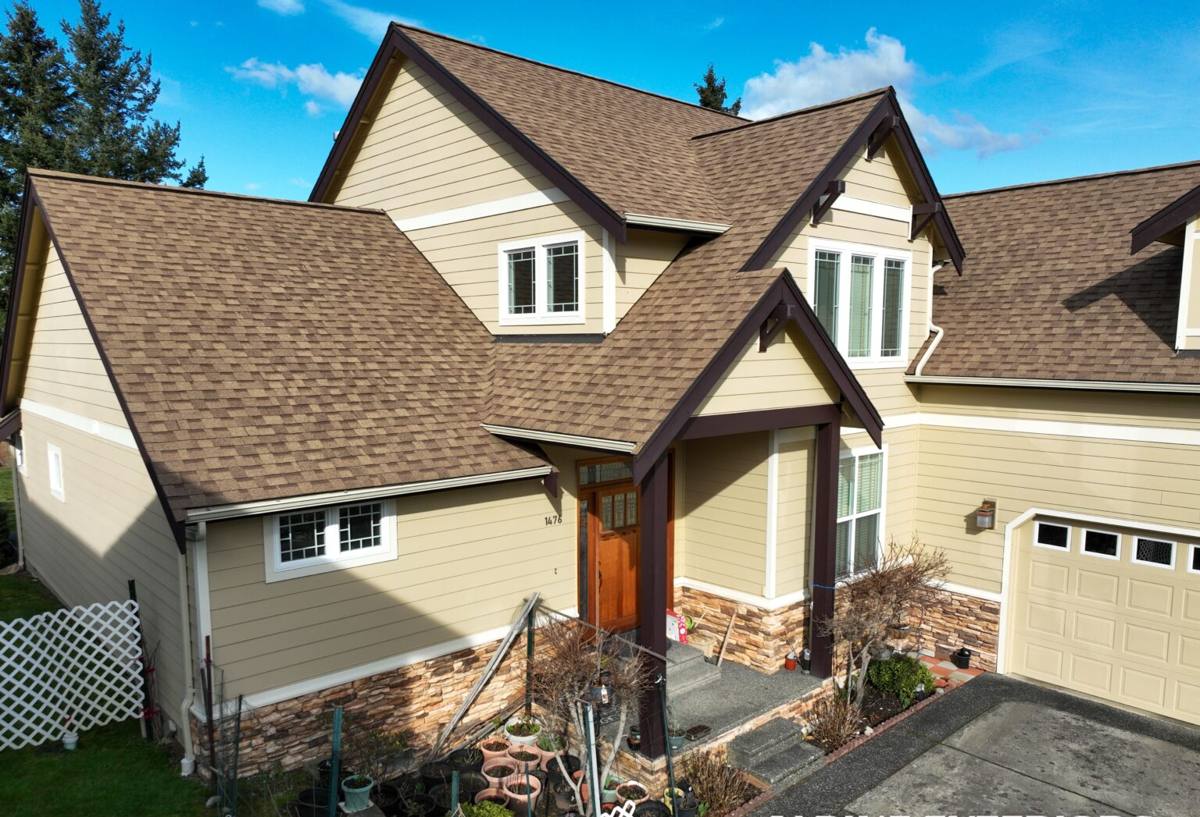
What "Custom" Actually Means Here
Custom windows means the unit is built to your opening, your home's style, and your performance needs, rather than pulled off a shelf in a standard size. For Bellingham homes this matters in a few specific ways:
- Older homes in the area often have out-of-square openings after decades of settling, so a true custom or site-measured unit fits tight without gaps that let in wind-driven rain.
- Salt air corrodes cheap hardware fast. Custom orders let us spec corrosion-resistant fasteners, hinges, and cranks instead of whatever came standard with a builder-grade line.
- Homes with a specific architectural character, whether that's a craftsman bungalow, a mid-century rambler, or a newer build, often need grille patterns, frame profiles, or colors that off-the-shelf stock windows don't offer.
- Larger or unusually shaped openings, like a picture window flanked by casements, need to be engineered as a unit so the flashing and structural support work together instead of being pieced together after the fact.
Frame Material: What Holds Up in This Climate
Vinyl
Good vinyl windows are a solid, low-maintenance choice for most Bellingham homes. They don't corrode from salt air, they don't need repainting, and quality multi-chamber vinyl frames insulate well against the damp cold that settles in during the winter months. The tradeoff is that vinyl frames are thicker than wood or fiberglass, which can matter on a historic home where sightlines are part of the character.
Fiberglass
Fiberglass is our preferred upgrade recommendation for homes closer to the water or with a lot of direct rain exposure. It expands and contracts less than vinyl across our temperature swings, holds paint well if you want a custom color, and resists the moisture-driven warping that shortens the life of lower-grade materials. It costs more up front, but for a house that takes the brunt of coastal weather, it's often the better long-term value.
Wood and Wood-Clad
Wood windows still have a place, especially on homes where the interior look matters and the window is protected by deep eaves or a covered porch. In an exposed, salt-air location, though, wood needs real maintenance discipline: regular inspection of the exterior finish, prompt touch-up of any cracked paint or sealant, and attention to end-grain sealing where water tends to find its way in. We'll always tell you honestly if a spot on your house isn't a good candidate for exposed exterior wood.
Aluminum
Aluminum frames are strong and slim, which suits some modern designs, but bare aluminum conducts cold and can corrode faster near saltwater without a quality marine-grade finish. We use it selectively, usually for larger commercial-style openings, and always with a coastal-rated finish system.
| Material | Salt Air Resistance | Maintenance | Typical Fit |
|---|---|---|---|
| Vinyl | Very good | Low | Most homes, value-focused replacements |
| Fiberglass | Excellent | Low | Water-exposed or higher-end remodels |
| Wood / Wood-Clad | Fair, needs upkeep | High | Protected openings, historic character |
| Aluminum (coastal-rated) | Good with proper finish | Moderate | Modern designs, larger openings |
Glass and Glazing for a Wet, Mossy Climate
Glass selection matters as much as frame material here. Whatcom County's persistent cloud cover and moisture mean condensation and heat loss are real concerns, not just energy-bill line items.
- Double-pane, low-E glass is the practical minimum for a Bellingham home today. It cuts heat loss and reduces the interior condensation that shows up on cold, damp mornings.
- Argon or krypton gas fill between panes adds a meaningful insulation boost for a modest cost increase, worth it in a climate where the heat is on for much of the year.
- Warm-edge spacers instead of older metal spacers reduce the cold spot at the edge of the glass, which is where condensation and eventual seal failure tend to start.
- Tempered or laminated glass where code requires it, such as near doors or low sills, and worth considering anywhere storm debris or branch fall is a realistic risk.
Installation Details That Actually Prevent Water Problems
In a climate with sustained wind-driven rain, the installation is at least as important as the window itself. Most window failures we get called out to inspect aren't the glass or the frame, they're a flashing or sealant detail that let water behind the siding.
Our process on a Bellingham job typically includes:
- Removing the old unit and inspecting the rough opening, sill, and surrounding framing for any hidden moisture damage before anything new goes in.
- Repairing or replacing any compromised framing or sheathing, since installing a new window over rotten wood just delays the same problem.
- Installing a proper sloped sill pan so any water that does get past the window drains outward instead of pooling.
- Applying flashing tape and housewrap integration in the correct shingle-lap order, so water is always directed down and out, never trapped behind the cladding.
- Setting the window plumb, level, and square, then securing it per the manufacturer's fastening schedule rather than guessing at spacing.
- Sealing the interior and exterior with the appropriate sealant and backer rod, leaving the correct weep paths clear so the window can drain as designed.
Skipping or rushing any one of these steps is how a good window ends up with a wet wall cavity or stained interior trim within a few wet seasons.
Moss, Algae, and Long-Term Upkeep
Bellingham's moss season isn't just a roof and siding problem. Moss and algae growth on window sills, tracks, and drainage weep holes can clog the very paths designed to let water escape, turning a well-installed window into a slow leak source over time. A few habits go a long way:
- Clear debris and moss buildup from sills and weep holes at least once a year, ideally at the start of the wet season.
- Keep nearby trees and shrubs trimmed back so windows get some airflow and sun exposure to slow moss growth.
- Inspect exterior caulk lines annually, since UV and constant moisture cycling break down sealants faster here than in drier climates.
- Wipe down tracks and hardware periodically, since salt residue can accelerate wear on moving parts like cranks and locks.
Cost Factors for a Bellingham Custom Window Project
Every project is different, but a few factors consistently move the price on custom window work in this area:
| Factor | Why It Matters Here |
|---|---|
| Frame material | Fiberglass and coastal-rated finishes cost more than standard vinyl but hold up better to salt air. |
| Opening condition | Older homes often need framing or sill repair discovered once the old window is out. |
| Number of window types | Mixing casements, sliders, and picture windows on one job adds engineering and ordering complexity. |
| Access and site conditions | Second-story or hard-to-reach openings, common on sloped Bellingham lots, add labor time. |
| Glazing upgrades | Gas fill, warm-edge spacers, and tempered glass add incremental cost but reduce condensation and long-term seal issues. |
We give straightforward, itemized estimates so you can see exactly where the money is going, and we'll always flag if a cheaper option is a false economy given your home's exposure.
Why Local Installation Experience Matters
Anyone can order a nice window. Getting it to actually perform for years in a Whatcom County coastal environment depends on installation choices that come from experience with this specific climate: how deep the sill pan slope needs to be for our rain volumes, which sealants hold up under repeated wet-dry cycling instead of hardening and cracking, and where moss tends to collect on a given roofline or wall orientation. A crew that works Bellingham regularly has already seen what fails here and builds around it, rather than applying a generic installation approach and hoping for the best.
If you're weighing a custom window project for your Bellingham home, we're happy to take a look at your current windows, talk through honest material options for your specific exposure, and put together a clear, no-pressure estimate. There's no obligation, just a straight assessment of what your home actually needs.