 Blaine Siding
 Why Sandy Point Asks More of a Siding Job Than Most Neighborhoods
Sandy Point sits out on the water, and that location is exactly why siding here wears differently than siding a few miles inland in Blaine or Custer. Homes out here take a steady diet of salt-laden air, wind-driven rain coming almost horizontally off the Strait, and long stretches of overcast, damp weather that keep exterior walls wet far longer than homes in drier parts of Whatcom County. Add in the shade from mature trees and close-set lots common in the neighborhood, and you get a textbook environment for moss, algae growth, and slow moisture intrusion behind the cladding.
None of that means siding is doomed to fail here. It means the material choice and the installation details matter more in Sandy Point than they would somewhere sheltered. A replacement job that would hold up fine in a dry inland subdivision can fail early on a waterfront lot if the wrong product or the wrong technique gets used. That's the lens we bring to every estimate we write for this area.
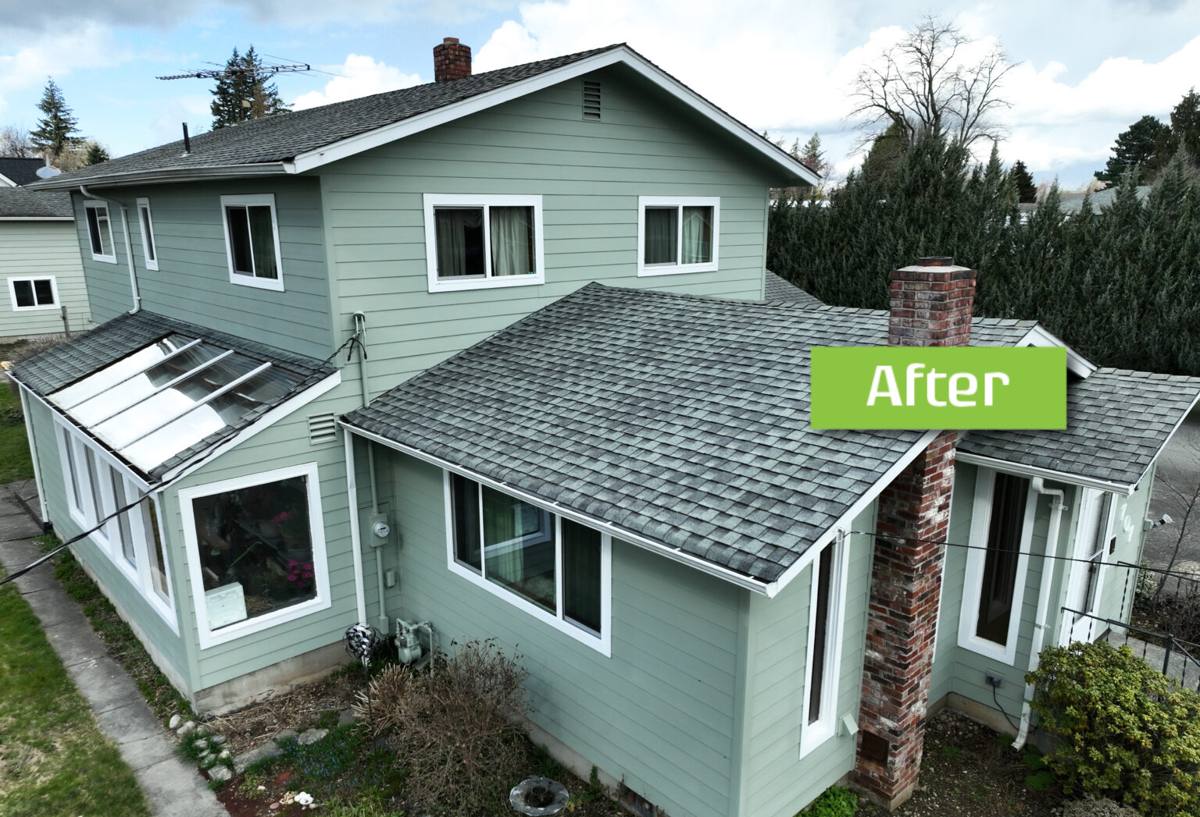
What Salt Air, Driving Rain, and Moss Actually Do to Siding
Salt Air and Corrosion
Airborne salt doesn't just sit on the surface — it works its way into fasteners, trim seams, and any exposed metal flashing. Over years, that accelerates corrosion in fasteners and hardware that aren't rated for coastal exposure, which is one reason we use fastening and flashing details built for marine-adjacent conditions rather than standard inland specs.
Wind-Driven Rain
Rain that comes in at an angle, rather than straight down, finds every gap a straight-down rain would miss. Lap siding with poor overlap, under-caulked penetrations, or missing kick-out flashing above windows and doors lets water track behind the cladding. Once that happens, the sheathing and framing behind the siding — not the siding itself — start absorbing moisture, and that's where real damage and rot begin.
Moss and Sustained Dampness
Whatcom County's long wet season keeps north- and shade-facing walls damp for weeks at a time, and Sandy Point's tree cover and marine humidity extend that further. Moss and algae hold moisture against the surface, which is cosmetically ugly on any material and structurally serious on anything that swells, delaminates, or rots when it stays wet — which describes most wood-based and wood-composite sidings.
Why We Only Install James Hardie Fiber Cement
We don't install vinyl, LP SmartSide, Cemplank, Allura, primed spruce, or cedar, and in a place like Sandy Point that standard isn't a marketing line — it's a practical decision based on how those materials behave under sustained salt and moisture exposure. Vinyl can warp and become brittle with UV and temperature swings, and its seams give wind-driven rain more chances to get behind the wall. Wood-based composite and solid wood products are dimensionally stable right up until they take on moisture repeatedly, at which point swelling, delamination, and rot become a matter of when, not if — and coastal, tree-shaded lots are exactly where that clock runs fastest.
James Hardie fiber cement is engineered from cement, sand, and cellulose fibers, which makes it non-combustible and dimensionally stable in a way wood and wood-composite products aren't. Hardie's HZ5 product line in particular is engineered for harsh climate zones with freeze-thaw cycling and moisture exposure, which lines up with what Sandy Point homes actually face. The factory-applied ColorPlus finish is baked on and warranted separately from the substrate, so you're not relying on field-applied paint or stain to hold up against salt air — which is one of the more common failure points we see on older siding jobs in this area.
What Correct Installation Involves
A siding product is only as good as the installation behind it, and this is where a lot of siding jobs — regardless of material — quietly go wrong. A correct James Hardie installation on a coastal home includes:
- Full tear-off of the old cladding so the sheathing can actually be inspected, not just covered over
- Repair or replacement of any water-damaged sheathing and framing found underneath
- A continuous weather-resistant barrier (housewrap or building paper) installed shingle-style so water sheds outward, never inward
- Correct flashing at every window, door, deck ledger, and roof-to-wall intersection, with kick-out flashing where rooflines meet walls
- Hardie's specified fastener pattern, type, and edge clearances — not a generic nailing schedule
- Proper minimum clearance between the bottom of the siding and grade, decks, and roof lines to keep splash-back and standing moisture away from the material
- Factory-mitered or properly caulked field joints, using sealants rated for the exposure
Skip any one of these and you can put brand-new Hardie board on a wall and still end up with the same moisture problems the old siding had.
Our Process for a Sandy Point Siding Replacement
1. On-Site Inspection and Moisture Check
We start by walking the exterior and checking the areas most exposed to wind-driven rain — around windows, at wall-roof intersections, near grade, and on any north- or shade-facing walls where moss has taken hold. Where we suspect trapped moisture, we check it before writing the estimate, not after demolition starts.
2. Scope and Estimate
We walk you through what we found, what it means for the scope of work, and what your options are for Hardie product lines, profiles, and ColorPlus colors. You get a written estimate with no pressure to decide on the spot.
3. Tear-Off and Sheathing Repair
Old siding comes off completely so we can see the actual condition of the wall. Any rot or water damage gets repaired before anything new goes up — covering a damaged wall with new siding just hides the problem.
4. Weather Barrier and Flashing
This is the step that determines how the home performs in driving rain for the next several decades, and it's also the step that's easiest to shortcut. We install the water-resistive barrier and all flashing details to spec, every time.
5. Siding Installation
Hardie panels or lap siding go up per manufacturer fastening specifications, with attention to coastal-appropriate fastener corrosion resistance and correct clearances at grade, decks, and trim.
6. Final Walkthrough and Cleanup
We walk the finished job with you, cover care and maintenance specific to your site conditions, and clean up the property before we leave.
Comparing How Materials Hold Up in Sandy Point's Conditions
| Material | Salt Air Behavior | Moss/Moisture Behavior | Typical Lifespan Here |
|---|---|---|---|
| James Hardie Fiber Cement (HZ5) | Non-combustible, dimensionally stable, factory finish resists fading and chalking | Doesn't swell or rot from surface moisture; moss can be washed off without damaging the substrate | 30+ years with correct install and normal upkeep |
| Vinyl | Can become brittle and discolor with UV and salt exposure over time | Seams and laps give moisture more paths behind the wall | Variable; often shows wear well before 20 years in coastal exposure |
| LP SmartSide / Wood-Composite | Engineered wood core is vulnerable if moisture reaches it repeatedly | Prone to swelling and edge damage where moss and dampness sit against it | Highly dependent on maintenance and moisture exposure |
| Cedar / Primed Spruce | Natural wood movement accelerated by salt-cycled wet/dry conditions | Susceptible to rot and moss-driven decay without diligent refinishing | Shorter without frequent refinishing and vigilant maintenance |
Cost Factors for a Sandy Point Replacement
Every home is different, but the line items that most often move the price on a coastal replacement are the same ones that determine how well the job holds up:
| Factor | Why It Affects Cost |
|---|---|
| Sheathing/framing condition under old siding | Hidden rot from years of moisture intrusion has to be repaired before new siding goes on |
| Home size and wall complexity | More corners, gables, and trim details mean more cutting, flashing, and labor time |
| Siding profile and finish selection | Lap width, panel style, and ColorPlus color affect material cost |
| Trim and flashing scope | Full replacement of window/door trim and flashing adds labor but is often necessary on older coastal homes |
| Site access | Tight lots, waterfront setbacks, or limited staging area can affect crew efficiency |
We don't quote a number until we've actually looked at your walls — broad estimates without an inspection tend to miss the sheathing repairs that are common on older Sandy Point homes.
Why Local Experience on This Coastline Matters
A crew that has already worked houses in Sandy Point knows what to check before ever pulling a nail. They know which orientations tend to hold moss, which lots catch the worst of the wind off the water, and where older homes in this area are likely to have hidden moisture damage behind the old cladding. That experience shows up in the estimate — fewer surprises mid-project — and in the finished product, because the flashing and fastening decisions get made with this specific coastline in mind, not a generic inland spec.
It also matters for timing. Moss and algae growth in Whatcom County follows the wet season, and scheduling a tear-off and install around the drier stretches of the year reduces the risk of trapping moisture in the wall assembly during construction. A contractor unfamiliar with the area's seasonal patterns won't necessarily plan around that.
A Homeowner's Pre-Replacement Checklist
- Look for green or black staining on siding, especially on shaded or north-facing walls
- Check for soft spots, bubbling, or visible gaps at trim, window, and door edges
- Note any areas where paint or finish has peeled or chalked heavily
- Check corners and butt joints for cracking or separation
- Look at ground-level clearance — siding sitting too close to grade, decks, or soil holds moisture longer
- Ask any contractor bidding the job which fastener type and flashing details they plan to use, not just which siding brand
Maintaining Hardie Siding in a Salt-Air, Moss-Prone Environment
James Hardie siding is low-maintenance compared to wood or composite alternatives, but "low-maintenance" isn't "no-maintenance," especially this close to the water. A periodic rinse to clear salt residue and organic growth, prompt attention to any caulking that shrinks or cracks at trim joints, and keeping gutters clear so overflow doesn't run down the wall all go a long way toward getting the full lifespan out of the material. None of this is difficult work, but it's easy to let slide, and Sandy Point's climate doesn't forgive neglect the way a drier inland location might.
Get a Straight Answer About Your Siding
If you're seeing moss buildup, staining, or soft spots on your Sandy Point home, or you're just planning ahead for a siding project, we're happy to take a look and tell you honestly what we find. There's no pressure and no obligation — just a clear read on your home's condition and what a correct James Hardie replacement would involve. Use the form below to request a free estimate.