 Blaine Siding
 Siding Installation Built for Custer's Exposure
Custer sits close enough to the water and the Canadian border that its homes take on a specific mix of weather stress: salt-laden air moving in off the Sound, rain that arrives sideways as often as it falls straight down, and a moss and mildew season that runs for most of the year rather than a few wet months. None of that is unusual for Whatcom County, but it does mean a siding installation here has to be planned around real exposure conditions, not a generic spec sheet written for a drier inland market. This page walks through what that means in practice for a siding installation specifically in Custer, not siding installation in general.
A lot of what determines whether new siding performs for twenty-plus years or starts showing problems in five has nothing to do with the material's brand name and everything to do with how it's detailed, flashed, and fastened for the site it's going on. That's the part of the job we spend the most time on, and it's the part that's easiest for a homeowner to overlook when comparing quotes.
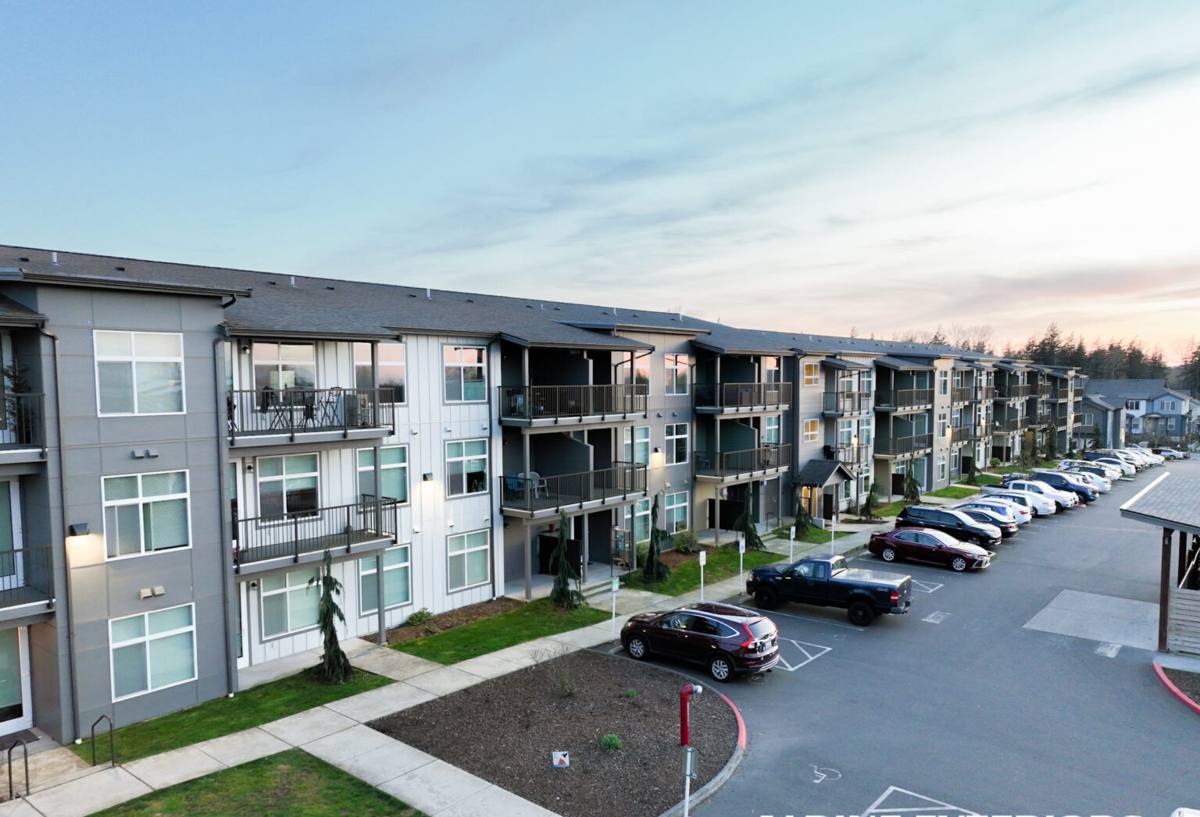
What Custer's Climate Actually Puts Siding Through
Three conditions do most of the work wearing down an exterior wall in this area, and they compound each other over time rather than acting independently.
Salt Air
Salt exposure off the water accelerates the breakdown of surface finishes and speeds corrosion on fasteners, trim hardware, and any metal flashing that isn't rated for it. This isn't limited to homes with a water view; airborne salt reaches well inland in a town Custer's size, and it shows up as a slow fade or chalking of the finish and premature rust bleed at fastener heads long before anything looks structurally wrong.
Driving, Wind-Pushed Rain
Rain that comes in at an angle finds its way into lap joints, under trim, and into any seam where the water management detailing is even slightly off. A siding installation that would hold up fine somewhere with mostly vertical rainfall can fail here specifically because the installer didn't account for wind-driven moisture working sideways and upward under laps and around penetrations.
A Long Moss Season
Mild, steady moisture for most of the calendar means moss and mildew get active growing seasons on shaded and tree-lined lots, which describes a lot of properties around Custer. Organic growth on a siding surface holds moisture against the wall behind it, and that trapped moisture is where a lot of long-term rot and finish failure actually starts, not from the rain itself.
What a Correct Installation Actually Involves
The material matters, but installation quality is what determines whether that material's warranty and expected lifespan actually hold up on your specific house. These are the details we treat as non-negotiable on every Custer job, not optional upgrades.
| Installation Detail | Why It Matters in Custer |
|---|---|
| Manufacturer-specified clearances at grade, roofline, and decks | Keeps splash-back and standing moisture off the board edge during heavy rain months |
| Correct fastener type, spacing, and depth | Prevents cracking and keeps the water-resistive barrier behind the siding intact |
| Flashing at every window, door, and penetration | Directs wind-driven rain away from seams instead of letting it collect there |
| Factory-cut edges used wherever possible, field cuts sealed per spec | Preserves the factory finish's protection at every cut edge |
| Rain screen or drainage plane behind the siding | Lets moisture that gets past the surface drain and dry instead of sitting against the sheathing |
| House wrap or building paper lapped correctly, shingle-style | Backs up the siding as a second line of defense against driving rain |
Skipping any one of these doesn't usually cause an immediate, visible problem. It shows up three, five, or ten years later as a soft spot near a window corner or a stain trailing down from a trim joint, and by then the fix is a repair, not a warranty claim.
Why We Install Only James Hardie Fiber Cement
We don't offer vinyl, LP SmartSide, cedar, or primed spruce, and we don't install other fiber cement brands like Cemplank or Allura. That's a deliberate standard, not a lack of options. Vinyl expands and contracts significantly with temperature swings and relies on lapped, unsealed joints that aren't built to shed wind-driven rain the way this area regularly delivers it. Engineered wood products depend on an intact factory coating and fully sealed field cuts for decades, which is a lot of ongoing maintenance riding on a wood-fiber core in a climate where wet weather is the default. Cedar and primed spruce are genuine, attractive materials, but they're organic, combustible, and dependent on a paint or stain schedule that has to be kept current, and moss finds an organic surface especially hospitable here. James Hardie's HZ5 product line is engineered specifically for climates with freeze-thaw cycles and sustained moisture, which matches Whatcom County's winters, and its ColorPlus finish is baked on in a controlled factory environment rather than applied on site, which holds up better against salt air and UV than a field-applied coating.
Our Siding Installation Process for Custer Homes
The steps below are the same order we follow on every re-side in the area, adjusted for the specific exposure and existing wall condition on your property.
- On-site assessment. We walk the full exterior, note sun and shade exposure, wind direction, roof drainage patterns, and any existing moisture damage before quoting anything.
- Tear-off and sheathing inspection. Old siding comes off and we inspect the sheathing and framing underneath for rot or water damage that wasn't visible before, which is common on homes that have had moss or trapped moisture for years.
- Repair before cover-up. Any compromised sheathing or framing gets repaired or replaced. Installing new siding over hidden rot just hides the problem for another decade.
- Weather barrier installation. House wrap or building paper goes on lapped correctly, with attention to every seam and penetration given how much wind-driven rain this area sees.
- Rain screen or drainage plane. A gap behind the siding lets any moisture that does get through drain and dry instead of sitting against the wall.
- Hardie installation to manufacturer spec. Correct clearances, fastener placement, and flashing at every window, door, and penetration, done by installers who work this specific product regularly.
- Final inspection and cleanup. We walk the finished job against the manufacturer's installation checklist before calling it done, and clear the site of debris and old material.
Cost Factors for a Custer Siding Installation
Every quote should be specific to your house, but these are the variables that actually move the price on a re-side in this area, roughly from most to least influential.
| Factor | How It Affects Cost |
|---|---|
| Square footage and wall complexity | More corners, dormers, and trim detail mean more labor and cutting |
| Condition of existing sheathing | Hidden rot found during tear-off adds repair scope that couldn't be quoted sight-unseen |
| Product line and profile chosen | Lap width, panel style, and trim selections carry different material costs |
| Access and site conditions | Tight lots, tall walls, or limited staging area add labor time |
| Season and scheduling | Wetter months can extend timelines and affect sequencing around weather windows |
Fiber cement typically costs more upfront than vinyl and is comparable to or somewhat above engineered wood, reflecting the heavier material and more labor-intensive install. Where it tends to even out is long-term maintenance: no repainting or recaulking schedule to keep up on a wood-based core, which matters more here than in a drier climate where that upkeep is less frequent and less urgent.
Signs Your Current Siding Needs Replacing, Not Just Patching
- Soft or spongy spots when you press on the wall near window corners, bottom courses, or trim joints
- Visible moss or dark staining that comes back within a season of cleaning
- Paint or finish that's chalking, peeling, or fading unevenly, especially on wall faces exposed to prevailing wind
- Warping, buckling, or gaps opening up at seams and corner boards
- Rust streaks below fastener heads or metal trim
- Interior signs like peeling paint, musty odor, or staining on walls that back up to exterior siding
- Siding that's simply reached or passed its expected service life for its material type
Any one of these on its own might be a spot repair. Several showing up together, especially with visible sheathing damage once a section is opened up, usually means a full re-side is the more honest recommendation, even if that's not what a homeowner wants to hear at the start of a call.
Why Hiring a Crew That Already Works Custer Matters
Siding installation isn't a one-size-fits-all trade, and a crew that mostly works drier, inland markets can miss details that matter specifically here: how far up a wall salt exposure realistically reaches, which wall faces take the worst of the wind-driven rain on a given lot's orientation, and how much drainage and rain-screen detail is actually necessary versus optional. A crew that's done this work repeatedly in Custer has already made the mistakes that come from underestimating this exposure, on someone else's job, and builds around them by default now. That's not a marketing point, it's the practical difference between an installation that's technically correct on paper and one that's correct for the specific wall it's going on.
Ready for a Straight Answer on Your Siding?
If your Custer home needs a re-side, or you're not sure yet whether it does, we're glad to walk the property, look at what's on the walls now, and give you an honest recommendation. Use the form below to schedule a free, no-pressure estimate.