 Blaine Siding
 Sandy Point's Climate Is Not Kind to Siding
Sandy Point sits out on the water at the northwest corner of Whatcom County, and that location comes with a trade-off. The same exposure that makes it a great place to live also means the siding on these homes takes a beating that inland Blaine properties simply don't see. Wind off the water carries salt spray onto exterior walls. Driving rain, pushed sideways by that same wind, finds every gap, seam, and fastener hole a lesser siding job leaves open. And the long stretch of wet, mild months every year gives moss and algae plenty of time to take hold on anything that stays damp.
None of that is unique to one house — it's the baseline condition for the whole neighborhood. The siding that goes on a Sandy Point home needs to be chosen and installed with that in mind from day one, not treated the same way you'd treat a similar job a few miles inland.
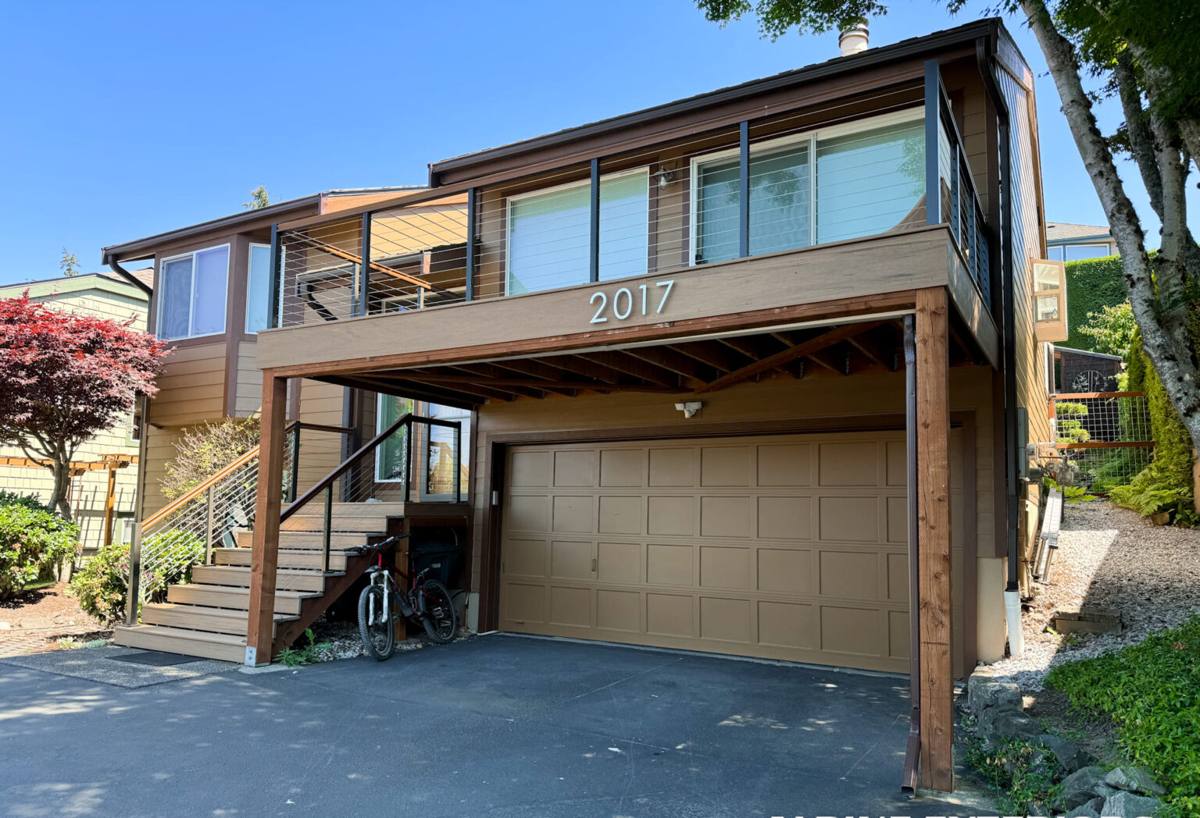
Why Fiber Cement Is the Right Call for This Stretch of Coastline
Fiber cement siding is made from cement, sand, and cellulose fiber pressed into boards and panels, then cured. It doesn't rot the way wood does when it stays wet. It doesn't expand, contract, and eventually crack the way vinyl does under repeated temperature swings and UV exposure. And because it's non-combustible, it holds up to the kind of intense heat that can travel from wildfire embers, which has become a real consideration for homeowners across Washington in recent years.
This company installs James Hardie fiber cement exclusively — not other fiber cement brands, and not vinyl, wood, or engineered wood siding. That's a deliberate standard, not a lack of options. Hardie's factory-applied ColorPlus finish, climate-specific engineering, and transferable warranty give us something we can install to a written spec and stand behind, which matters more in a place like Sandy Point than almost anywhere else in the Blaine area.
What "Standing Up to Salt Air" Actually Means
Salt air doesn't just sit on a wall — it works into caulk joints, corrodes uncoated metal fasteners and flashing, and accelerates the breakdown of any finish that isn't formulated for it. Fiber cement itself is inert to salt in a way wood fiber and some vinyl formulations aren't, but the fasteners, flashing, and sealants used alongside it matter just as much as the siding material. A siding job in Sandy Point is only as good as its weakest detail.
The Climate Engineering Most Homeowners Never Hear About
James Hardie doesn't make one generic siding product for the entire country. Their panels and lap siding are engineered by climate zone, and the Pacific Northwest — including Blaine and the rest of Whatcom County — falls into the wetter, higher-moisture engineering category the manufacturer builds specifically for regions like ours. That engineering shows up in the moisture management built into the product itself, not just the paint on top of it.
This matters because a siding product engineered for a dry inland climate and installed on a waterfront lot in Sandy Point without adjustment is a mismatch from the start. Ordering and installing the correct product line for our climate zone is a basic requirement here, not an upsell.
What a Correct Fiber Cement Install Actually Involves
Fiber cement siding fails early almost exclusively because of installation mistakes, not because the material itself gave out. In a high-wind, high-moisture coastal setting like Sandy Point, those mistakes show up faster and worse than they would inland.
The Drainage Plane Behind the Panel
Siding is not a waterproof shell — it's the first line of defense over a drainage system that's supposed to let any moisture that gets behind it escape. A proper rainscreen or drainage gap between the siding and the weather-resistive barrier gives wind-driven rain somewhere to go instead of sitting against the sheathing. Skipping this step, or installing siding tight to the wall, is one of the most common shortcuts that causes hidden rot years later — and it's far more consequential on a lot exposed to the wind and rain Sandy Point gets.
Flashing and Clearances
Every window, door, roofline, and deck intersection needs flashing that actually sheds water outward rather than trapping it. Siding also needs proper clearance from grade, decks, and roof surfaces — running boards too close to the ground or a deck ledger is an invitation for splash-back and standing moisture, which is a bigger problem this close to open water.
Fastening and Joints
Fastener choice matters in salt air. Corrosion-resistant fasteners, correct nailing patterns, and properly gapped and sealed joints (following the manufacturer's written fastening schedule, not a generalized approach) keep water out and prevent the streaking and staining that comes from corroding hardware bleeding through a finish over time.
Moss, Algae, and the Long Wet Season
Whatcom County's wet season runs long, and anything on an exterior wall that stays damp for extended stretches is a candidate for moss and algae growth — siding, trim, fascia, all of it. Hardie's factory-applied ColorPlus finish is baked on under controlled conditions and holds up better against mildew and algae staining than field-applied paint typically does, but factory finish isn't a substitute for basic upkeep.
Keeping gutters clear so water isn't sheeting down the wall, trimming back vegetation that shades and holds moisture against the siding, and having the exterior gently washed periodically (a soft wash, not a pressure washer aimed directly at seams) all go a long way toward keeping a fiber cement exterior looking the way it did on install day.
Fiber Cement vs. the Alternatives in a Salt-Air Climate
| Factor | Fiber Cement (James Hardie) | Vinyl | Cedar / Untreated Wood |
|---|---|---|---|
| Salt air / corrosion resistance | Strong — inert material, engineered coastal finish | Can fade, warp, and become brittle faster near saltwater | Vulnerable without diligent, ongoing maintenance |
| Moisture / rot resistance | Does not rot; managed by proper drainage plane | Doesn't rot itself, but traps moisture behind panels | High risk of rot in a long wet season |
| Fire resistance | Non-combustible | Melts/deforms under heat | Combustible |
| Finish longevity | Factory-baked finish, resists fading and mildew staining | Field color can chalk/fade over time | Needs repainting or restaining on a recurring cycle |
| Typical maintenance | Periodic soft wash, caulk check | Occasional wash; watch for cracking | Regular sealing, staining, or painting |
Our Process for a Sandy Point Job
Every job starts with a walk-around of the existing exterior, not just a measurement for materials. We're looking for soft spots, existing moisture damage, and trouble areas around windows, decks, and roof transitions — problems that need to be addressed before new siding goes on, not covered up underneath it.
- On-site assessment of existing siding, sheathing condition, and known trouble spots
- Tear-off and any necessary sheathing repair, with sheathing inspected before it's covered up again
- Installation of a weather-resistive barrier and drainage plane suited to the exposure
- Installation of the correct James Hardie product line and profile to manufacturer spec and fastening schedule
- Flashing, trim, and caulking at every penetration and transition
- Final walkthrough and cleanup before we call the job done
We don't shortcut the drainage plane or flashing steps to save time on a bid. On a lot exposed to this much wind and rain, those are the details that determine whether the siding is still doing its job in fifteen years.
Why a Crew That Already Works Sandy Point Matters
A contractor who's worked this specific stretch of Blaine's coastline knows which sides of a house typically take the worst of the wind and salt spray, how staging and material delivery usually has to work on tighter waterfront lots, and what Whatcom County's permitting process actually requires before a tear-off starts. That local familiarity doesn't replace a correct installation — it just means fewer surprises, fewer delays, and a crew that isn't guessing at conditions they've never dealt with before.
A Practical Checklist Before You Hire
- Confirm the installer is trained and factory-certified on the specific James Hardie product line being quoted
- Make sure the bid explicitly includes a drainage plane / rainscreen, not just siding installed direct-to-wall
- Ask what fastener material will be used and whether it's rated for coastal / salt-air exposure
- Get the product line, profile, and color specified in writing, referencing the manufacturer's installation instructions
- Confirm current Washington contractor license and liability insurance before any work begins
- Ask directly how many jobs the crew has done on the water in Blaine or similar coastal areas nearby
If you're weighing a siding replacement for a home in Sandy Point, we're happy to walk the exterior with you and give you a straight, no-pressure estimate — no obligation, just an honest look at what your house needs. The form below gets you started.