 Blaine Siding
 Why Dakota Creek Homes Are Tougher on Siding Than Most
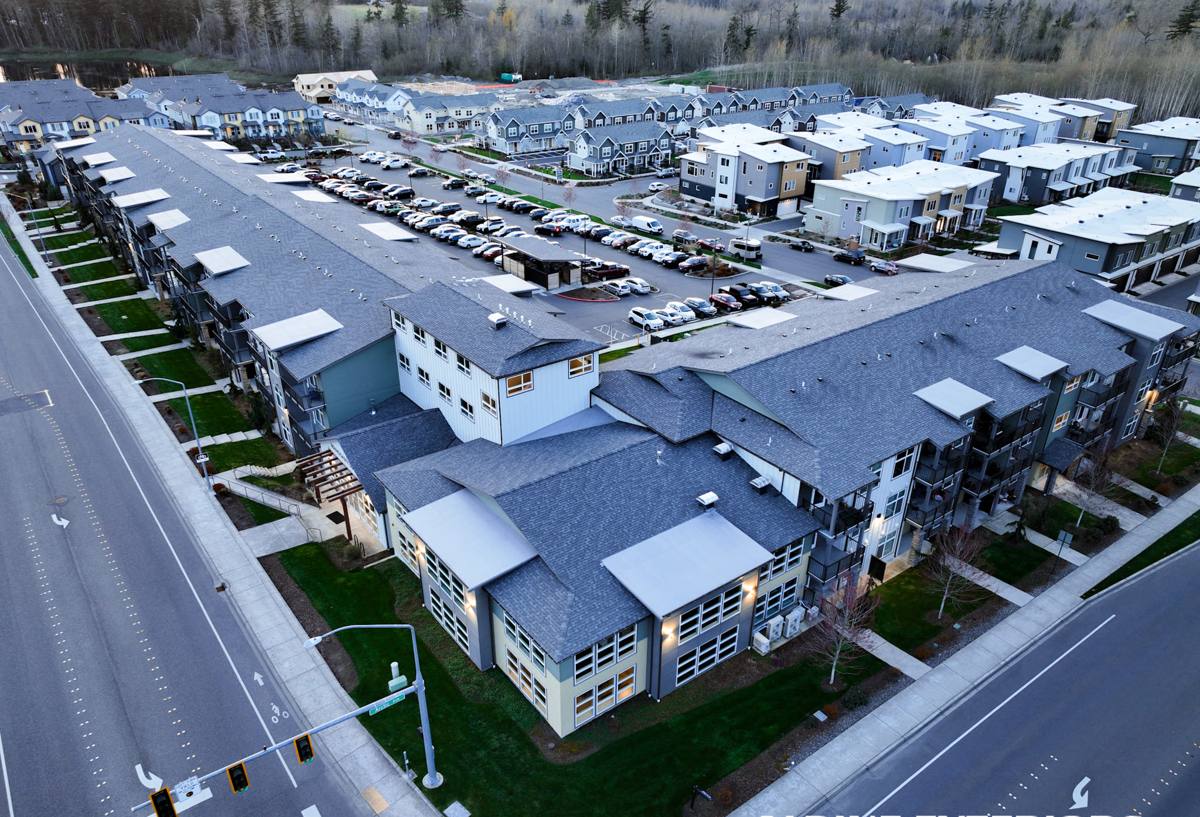
Homes near Dakota Creek sit close to water, low ground, and tree cover — a combination that keeps humidity high and airflow low for much of the year. Add Blaine's marine location on Whatcom County's northern coast, and you get a stretch of siding that spends more time damp than dry. Salt-laden air drifts in off the water and settles on exterior surfaces, driving rain hits west- and south-facing walls hard during fall and winter storms, and shaded, moisture-retentive lots grow moss on siding, trim, and roof edges for a good chunk of the year.
None of that is unusual for this part of Washington. But it does mean siding that would hold up fine in a drier inland climate can fail early here — especially if it was never designed for sustained moisture exposure in the first place. If you're noticing your siding aging faster than you'd expect, the climate around Dakota Creek is very likely part of the reason.
What Salt Air, Rain, and Moss Actually Do to Siding
Salt Air
Airborne salt is corrosive to metal fasteners, flashing, and trim, and it can accelerate the breakdown of paint films and lower-grade siding materials over time. Homes closer to open water and tidal areas around Blaine see this effect most, but it carries inland on wind and fog farther than most homeowners expect.
Driving Rain
Wind-driven rain doesn't just wet a wall — it forces moisture up and under lap joints, around penetrations, and into any gap in the water-resistive barrier. Over years, that repeated wetting is what causes rot at butt joints, staining below poorly flashed trim, and swelling in materials that absorb water rather than shedding it.
Moss and Sustained Dampness
Shaded, low-airflow lots near creeks and mature trees hold moisture on exterior surfaces long after a storm has passed. Moss and algae take hold in that dampness, and once established, they hold even more water against the siding surface — a slow cycle that soft or absorbent materials rarely win.
Signs Your Dakota Creek Home May Need Siding Replacement
Some damage is obvious. Some isn't visible until a wall is opened up. Here's what we look for, and what you can check yourself before calling anyone:
- Soft, spongy, or crumbling siding — press gently near the bottom courses and around windows
- Persistent moss, algae, or dark streaking that comes back within weeks of cleaning
- Bubbling, peeling, or chalky paint that won't hold a fresh coat
- Visible warping, cupping, or separation at seams and butt joints
- Cracked or missing caulk around windows, doors, and trim
- A musty smell or visible staining on interior walls that share an exterior wall
- Siding that's original to a home built more than 20-25 years ago with no major update
One or two of these on their own might mean a repair. Several together, especially combined with visible rot at joints, usually means it's time to talk about full replacement rather than patching around the problem.
What a Correct Siding Replacement Job Actually Involves
Replacing siding is not just swapping old boards for new ones. Done right, especially on a site with this much moisture exposure, it means addressing everything the old siding was hiding or failing to manage:
Tear-Off and Inspection
Full removal of the old siding lets us actually see the sheathing, framing, and existing water-resistive barrier. This is where hidden rot, soft sheathing, or old moisture damage from years of driving rain gets found — and it has to be dealt with before new siding goes on, not covered up underneath it.
Water-Resistive Barrier and Flashing
A correctly installed weather barrier and properly flashed windows, doors, and penetrations are what actually keep water out of the wall assembly. Siding sheds most of the rain, but the barrier and flashing behind it are the real defense against the wind-driven rain this area gets.
Proper Fastening and Clearances
Correct fastener spacing, gapping at joints and trim, and ground clearance all matter more in a wet climate than a dry one. Tight, unvented installations trap moisture; siding installed without expansion gaps can buckle or crack as it moves with temperature and humidity swings.
Finish and Long-Term Protection
The final finish is what stands up to salt air and UV over the long haul. Factory-applied finishes that are baked on under controlled conditions hold color and resist moisture far better than paint applied on site, coat after coat, year after year.
Why We Install Only James Hardie Fiber Cement
We standardized on James Hardie fiber cement siding for every home we side, including here in Dakota Creek, and we don't install vinyl, LP SmartSide, or other engineered wood or composite products. That's not a marketing position — it's a decision based on what actually holds up in this specific climate.
Fiber cement doesn't absorb water the way wood-based products can, which matters directly for a site with this much sustained dampness and moss pressure. It's also non-combustible, holds paint and factory finishes longer than most alternatives, and James Hardie backs it with a strong transferable warranty when it's installed to spec. Just as importantly, Hardie makes climate-engineered product lines (their HZ5 line, for example, is built for wetter, cooler regions like the Pacific Northwest) rather than a single one-size-fits-all board. For a home exposed to salt air, driving rain, and a long moss season, that engineering difference is real, not cosmetic.
We'd rather install one product correctly and stand behind it than offer a menu of cheaper options we can't fully vouch for in this climate.
Our Siding Replacement Process
- On-site assessment — we walk the exterior, check for soft spots and moisture damage, and look at drainage, shade, and exposure specific to your lot
- Written estimate — a clear scope covering tear-off, any needed sheathing or framing repair, materials, and finish selection
- Tear-off and repair — full removal of old siding, replacement of any compromised sheathing or framing found underneath
- Barrier and flashing install — water-resistive barrier and flashing details done correctly around every window, door, and penetration
- Hardie siding installation — installed to manufacturer spec, with correct fastening, gapping, and clearances for this climate
- Final walkthrough — we go over the finished work with you before calling the job done
Cost Factors for Siding Replacement
Every home is different, but these are the main variables that move the price of a siding replacement up or down:
| Factor | Why It Matters |
|---|---|
| Extent of hidden damage | Rot or soft sheathing found during tear-off adds repair scope beyond the siding itself |
| Home size and complexity | More corners, gables, and trim details mean more labor and material |
| Existing siding type | Some materials are more labor-intensive to remove and dispose of than others |
| Access and site conditions | Tree cover, tight lot lines, or difficult grading near the creek can affect setup and staging |
| Product line and color | Hardie's ColorPlus factory finishes vary by line, texture, and color selection |
| Trim and accessory scope | Fascia, trim boards, and soffit work bundled into the same project changes total cost |
We won't quote a number without seeing the home — anyone who does is guessing. What we can tell you upfront is that a proper job includes tear-off, sheathing inspection, and correct barrier and flashing work, not just new boards nailed over what's already there.
Why Hiring a Crew That Already Works in Dakota Creek Matters
Siding installation isn't identical everywhere. A crew that mostly works drier inland areas may not think twice about a detail that matters a lot here — a gap left too tight, a flashing lap facing the wrong way for prevailing wind-driven rain, or a finish choice that won't hold up against sustained salt exposure. A crew that regularly works Blaine and the surrounding Whatcom County coastline has already seen what fails on homes like yours and builds around it as a matter of habit, not an afterthought.
That local pattern recognition also shows up in smaller ways: knowing which lots hold moisture longer after a storm, which orientations need extra attention at flashing details, and what moss growth on an existing wall usually indicates once it's opened up. None of that replaces a proper inspection, but it means fewer surprises and a job built for the conditions your home actually faces.
Maintaining Your New Siding in a Wet, Coastal Climate
Even the right material benefits from basic upkeep. A few habits go a long way in the Dakota Creek area:
- Rinse siding annually to clear salt residue, pollen, and early moss or algae growth
- Trim back vegetation and tree limbs that shade siding and keep it damp longer than necessary
- Check and refresh caulking around windows and trim every few years
- Keep gutters clear so overflow doesn't run down and saturate siding repeatedly in one spot
- Address any impact damage or cracking promptly rather than waiting for moisture to get behind it
If you're seeing early signs of wear, dealing with aging siding, or just want a straight answer about what your home actually needs, we're glad to take a look. Reach out for a free, no-pressure estimate — use the form below to get started.