 Blaine Siding
 Building on Blaine Harbor Means Building for Salt Air and Rain
Blaine Harbor sits right where Whatcom County meets Boundary Bay and the Strait of Georgia, and that location shapes everything about how a window performs here. Homes going up in this stretch face salt-laden wind off the water, long stretches of driving rain, and a moss and mildew season that can run most of the year. New-construction windows installed correctly the first time save homeowners years of headaches — and a lot of money — compared to windows installed to a generic standard and left to fight the coast on their own.
New construction is different from a retrofit or pocket replacement. There's no existing frame to work around, no old flashing to patch into. That's an advantage if the crew doing the work understands what this exact location demands. It's a liability if they don't.
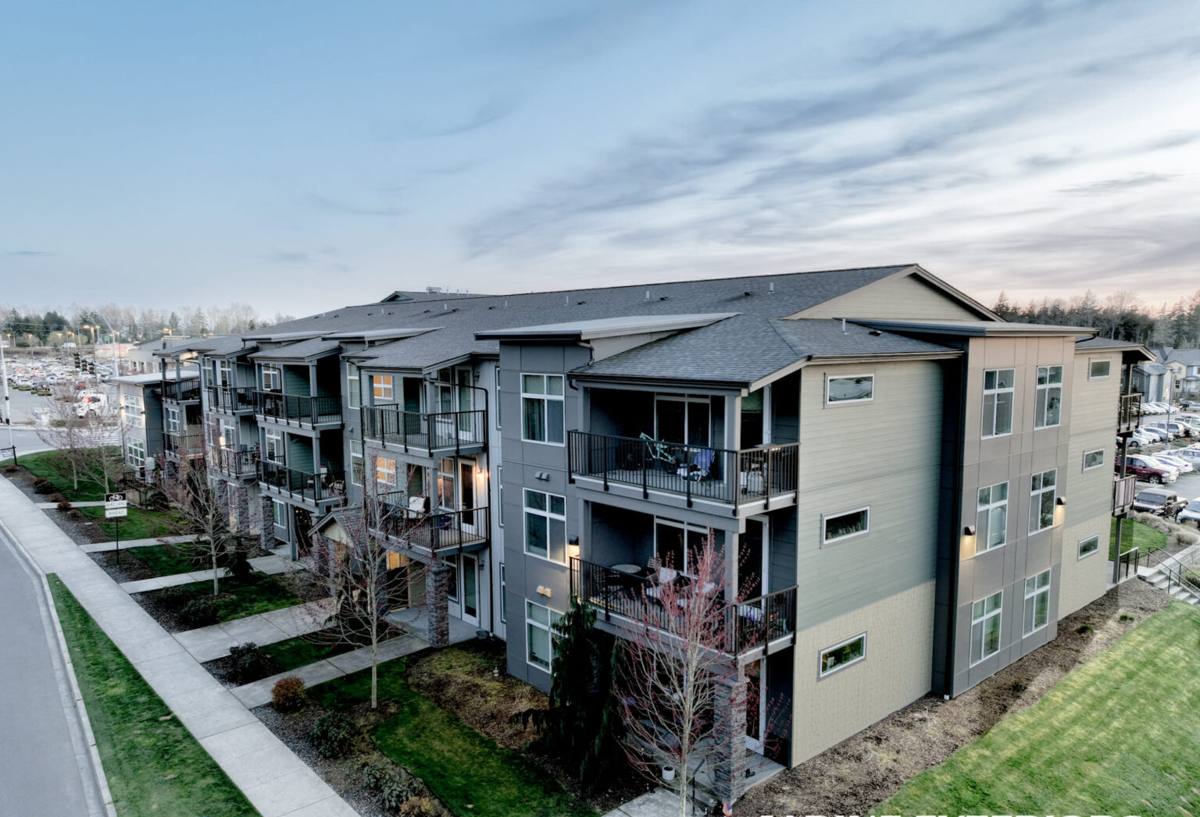
What the Local Climate Actually Does to a Window Opening
Three things drive most window problems we see on newer builds near the harbor:
Wind-Driven Rain
Rain here rarely falls straight down. Wind off the water pushes it sideways into wall assemblies, which means water finds its way behind trim and siding at any gap in the weather-resistive barrier or flashing. A window opening that's watertight in calm conditions can still leak during a winter storm if the flashing details weren't built for wind-driven moisture.
Salt Air
Airborne salt accelerates corrosion on fasteners, hardware, and unprotected metal flashing. It also degrades some sealants and finishes faster than they'd wear inland. Material choices that hold up fine in Bellingham's east side don't always hold up the same way a few miles from the water.
Moss and Sustained Moisture
Whatcom County's long wet season keeps north- and shade-facing surfaces damp for extended stretches. Moss and algae take hold on any surface — including window sills and trim — that stays wet without a chance to dry. Poor drainage detailing at the sill turns a minor cosmetic issue into a rot problem over a few seasons.
What a Correct New-Construction Installation Actually Involves
"New-construction window" describes a window with a nailing fin, installed into a rough opening before siding goes on, with the flashing built in layers so water sheds outward at every level. Doing that correctly on a harbor-facing home means:
- Rough opening prepared square, level, and sized to the manufacturer's tolerance — not forced or shimmed excessively
- Sill pan flashing installed first, sloped outward, so any water that gets past the window drains back out instead of pooling
- Weather-resistive barrier integrated with the flashing in the correct shingle-lap order — always working from the bottom up so each layer overlaps the one below it
- Nailing fin sealed and fastened per the manufacturer's spec, not just "close enough"
- Head flashing installed with a drip cap detail that throws water clear of the opening below
- Corrosion-resistant fasteners used throughout, given the salt exposure this close to the water
- Interior and exterior sealant joints backed correctly — sealant is a second line of defense, not the only one
Skip any one of those steps and the window may look fine and even test dry on a calm day. The failures we get called out for on newer homes almost always trace back to a flashing sequence that was rushed or done out of order, not to the window unit itself.
New-Construction Windows vs. Replacement Windows
Homeowners and builders sometimes use these terms interchangeably, but they're different products installed differently, and the choice matters for a harbor-exposed home.
| Factor | New-Construction Window | Replacement (Pocket) Window |
|---|---|---|
| Installed into | Open rough opening, before siding | Existing frame, siding stays in place |
| Flashing access | Full access to build layered flashing correctly | Limited — relies on existing flashing condition |
| Best use case | New builds, additions, or full siding tear-offs | Sound existing frame, siding not being removed |
| Long-term coastal performance | Strongest option when done right | Only as good as what's already behind the wall |
If a project near Blaine Harbor already has siding coming off for other reasons, new-construction windows are almost always the better long-term call — it's the one point in a project's life where the flashing system can be built right from scratch.
Frame and Glass Choices That Make Sense for This Location
We steer harbor-area clients toward materials that manage moisture and salt exposure well over time, and we're upfront about the trade-offs of each option rather than pushing one brand.
Frame Material
Vinyl frames with fusion-welded corners resist corrosion entirely, which is a real advantage this close to salt water, and they've closed most of the performance gap with other materials in the past decade. Fiberglass holds dimensional stability well in temperature swings and is worth the added cost on larger openings or south-facing walls that see more thermal movement. Wood-clad windows look good but ask for a maintenance commitment — exposed wood components near the coast need more frequent inspection and refinishing than the same window would inland, and we say that plainly rather than let a homeowner find out the hard way.
Glass Package
Double-pane, low-E glass with argon fill is the practical baseline for this climate — it manages the region's mild but persistent heat loss without overspending on a spec built for harsher winters. Homes with more direct west or water-facing exposure sometimes benefit from a slightly upgraded coating for solar control. We size the glass package to the actual exposure of each elevation rather than specifying one package for the whole house.
Pre-Installation Checklist
- Rough openings confirmed square and to spec before windows are ordered
- Sill pan flashing material chosen and on-site before install day
- Weather-resistive barrier sequencing confirmed with whoever is siding the house
- Fastener type confirmed as corrosion-resistant for coastal exposure
- Elevation-by-elevation exposure reviewed so glass and shading choices match sun and wind direction
How We Handle Blaine Harbor Projects
Our process on new-construction work near the harbor is built around the flashing sequence, since that's what actually determines whether the windows stay dry for the next twenty years.
- Site and plan review — we look at elevation exposure to wind and rain before ordering anything, so materials match the wall they're going into.
- Rough opening verification — we check openings against the window schedule before install day, catching framing issues while they're still cheap to fix.
- Layered flashing installation — sill pan, WRB integration, and head flashing built in the correct order, every time, not shortcut on schedule pressure.
- Window setting and fastening — units set plumb and square, fastened per manufacturer spec with corrosion-resistant hardware.
- Sealant and trim — interior and exterior sealing done as the backup layer it's meant to be, not the primary defense.
- Final walkthrough — every opening checked before siding closes it up, since that's the last point anyone can see the flashing without tearing something out.
Cost Factors on a New-Construction Window Project
Every project prices differently, but these are the variables that actually move the number on a Blaine Harbor job:
| Factor | Why It Matters Here |
|---|---|
| Number and size of openings | More openings means more flashing detail work, not just more units |
| Frame material | Vinyl, fiberglass, and wood-clad carry different upfront costs and different long-term maintenance |
| Exposure per elevation | Water- and wind-facing walls may warrant upgraded glass or flashing detail |
| Access and building stage | Windows installed before siding closes up are more efficient than working around finished exterior |
| Glass package | Low-E coatings and gas fill add cost but affect comfort and energy use year-round |
We'd rather walk a project and give a number based on the actual openings and exposure than quote a rough figure that doesn't hold up once we're on site.
Why It Matters That We Already Work in Blaine Harbor
A crew that's worked this stretch of Whatcom County knows which elevations take the worst of the weather off the bay, how the moss season behaves on shaded sills, and what fastener and sealant choices actually last through a few winters here versus a few years inland. That's not something you get from a spec sheet — it's from having come back to check on work done in past seasons and seeing what held up and what didn't. On a new build, that experience shows up in flashing details you won't see once the siding goes on, but you'll feel the difference in twenty years when the window openings are still dry.
If you're planning new construction, an addition, or a project near Blaine Harbor where siding is coming off anyway, we're happy to walk the site and talk through what your specific openings need. Reach out for a free, no-pressure estimate using the form below.