 Blaine Siding
 Why Birch Bay Roofs Wear Out Faster Than You'd Expect
Birch Bay sits right on the water, and that changes what a roof has to deal with compared to a house a few miles inland in Blaine or elsewhere in Whatcom County. Onshore wind carries salt spray that settles on shingles, flashing, and fasteners day after day. Add the long, wet Pacific Northwest fall and winter — driving rain that comes in sideways off the water instead of straight down — and you've got a roof under more constant stress than the manufacturer's warranty paperwork ever accounts for. Then there's the shade. A lot of Birch Bay properties sit back under fir and cedar cover, which keeps roofs damp longer after every storm, and that lingering moisture is exactly what moss needs to take hold.
None of this means a Birch Bay roof is doomed — it means repairs need to be done by someone who understands what's actually attacking the roof. A patch that would hold fine on a dry, open lot inland can fail within a season out here if it doesn't account for wind-driven rain or moss regrowth.
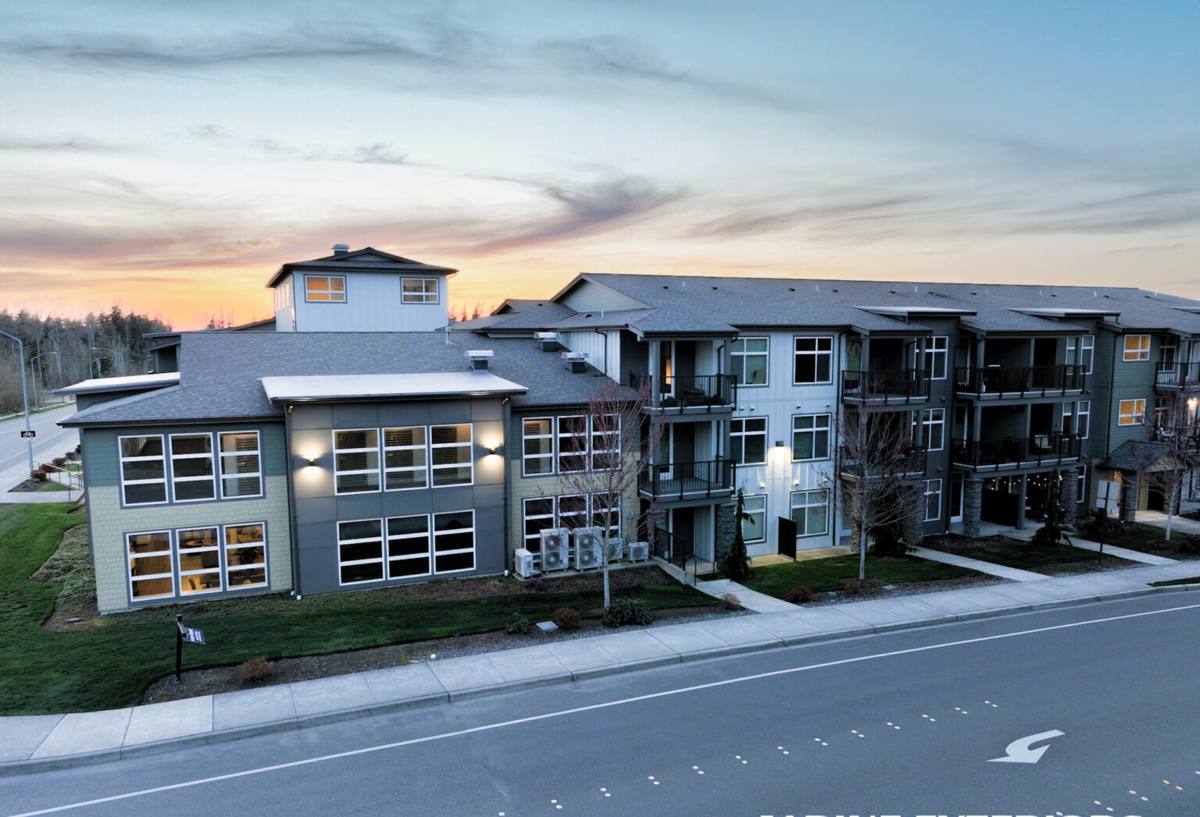
Signs a Birch Bay Roof Needs Repair, Not Just a Look
Most of the roof calls we get in Birch Bay didn't start as emergencies. They started small and got put off, often because the first symptom shows up somewhere other than where the actual damage is happening.
- Moss mats thick enough to visibly lift shingle edges, not just green surface staining
- Granule loss showing up in gutters or piled at the base of downspouts
- Shingle tabs that look lifted, curled, or cracked, especially on the side of the roof facing the water
- Rust streaking or visible gaps around flashing at chimneys, vents, and valleys
- Water stains on interior ceilings or walls that seem to appear only after windy rain, not calm rain
- Soft or spongy footing when walking the roof, usually a sign the decking underneath is already wet
Leaks Rarely Show Up Where the Water Actually Gets In
Water travels along underlayment and framing before it ever reaches your ceiling, so a stain in a bedroom might trace back to a flashing gap several feet away near a valley or chimney. A real repair starts by tracing the water's path, not by patching the spot where the stain happens to appear.
What Actually Causes Most Roof Leaks Here
We see the same handful of failure points repeat across Birch Bay roofs, and they're almost never random.
Flashing That's Done Its Job and Quit
Flashing around chimneys, skylights, and roof valleys is the part of the roof doing the hardest work, and it's usually the first thing to fail. Salt air accelerates corrosion on lower-grade metal, and once flashing starts to lift or rust through, water gets a direct path into the decking below.
Moss Holding Water Against the Shingle
Moss doesn't just look bad. Once it mats up, it holds moisture against the shingle surface around the clock instead of letting the roof dry out between storms. Over a long moss season, that constant dampness breaks down the shingle's protective granules and can rot the decking underneath long before the shingle itself looks worn out.
Wind-Driven Rain Forced Uphill
Standard shingle installation assumes rain falls mostly straight down. On an exposed lot near the water, wind can drive rain sideways and even slightly uphill under shingle tabs and around fasteners, which is why proper sealing and fastener placement matter more here than on a sheltered inland roof.
What a Correct Repair Actually Involves
A repair that's built to last in Birch Bay's climate looks different from a quick patch job, even if the visible work looks similar from the ground.
- Diagnosing the actual water path before opening anything up, not just replacing the shingle over the stain
- Pulling back enough surrounding material to check the decking, not just the top layer
- Replacing any decking that's gone soft or delaminated, rather than fastening new shingles over compromised wood
- Matching shingle color, profile, and exposure so the repair doesn't stand out or create a new water-trapping seam
- Rebuilding flashing details at valleys, chimneys, and vent boots with corrosion-resistant materials suited to a salt-air environment
- Using fasteners and sealants rated for coastal exposure, not the cheapest option that happens to be on the truck
Skipping any one of these steps is how a "fixed" roof ends up leaking again in the same spot a year or two later.
Roofing Materials and How They Hold Up on the Coast
The material already on your roof shapes what repair options make sense. Here's how the common types perform under Birch Bay's combination of salt air, wind, and moss pressure.
| Material | Typical Lifespan | Moss and Algae Resistance | Repair Considerations |
|---|---|---|---|
| Asphalt composition shingle | 20-30 years | Moderate; algae-resistant granules help but don't eliminate moss risk in shaded areas | Most repairable option; matching older shingles gets harder as they fade and discontinue |
| Cedar shake | 20-30 years with upkeep | Low without regular treatment; absorbs and holds moisture | Requires more frequent maintenance in a marine climate; individual shakes can be replaced but color blending is tricky |
| Standing seam metal | 40-plus years | High; sheds moss and debris well on adequately pitched roofs | Repairs need a metal specialist; panel and fastener corrosion resistance matters more near salt air |
| Torch-down or membrane (low-slope sections) | 15-25 years | Moderate; ponding water on flat sections invites algae growth | Seam and flashing repairs are specialized; common on additions, porches, and shed roofs |
We don't push homeowners toward a different material just because it performs better on paper. Every material above can be a sound long-term choice in Birch Bay if it's installed and maintained correctly for the exposure it's getting.
Repair or Replace? Weighing the Real Cost Factors
Not every leak means you need a new roof, and not every roof is worth continuing to patch. The honest answer usually comes down to a handful of factors we walk through with you during the estimate.
| Factor | Leans Toward Repair | Leans Toward Replacement |
|---|---|---|
| Age of existing roof | Under 15 years, or well-maintained composition shingle under 20 | Near or past manufacturer's expected lifespan |
| Extent of decking damage | Isolated to one section | Found in multiple areas or along most of one roof plane |
| Moss and algae history | Occasional, controlled with treatment | Chronic, heavy growth across large sections year after year |
| Matching materials | Current shingle style and color still available | Discontinued or badly faded, making patches obvious |
| Number of past repairs | First or second repair in this area | Same section has been patched repeatedly |
Costs for roof repair in Birch Bay run a wide range, from a few hundred dollars for a straightforward flashing or vent boot fix up to a few thousand for larger sections that need decking replaced. We give you the real number after inspection, not a phone-quote guess.
Our Roof Repair Process
- Inspection. We get on the roof, not just look from the ground, and check the attic side too when there's an active leak.
- Written estimate. You get a clear explanation of what's actually wrong, what we recommend, and why — no pressure to upsell into a full replacement if a repair will genuinely hold.
- The repair itself. Decking replaced where needed, flashing rebuilt properly, shingles matched as closely as available materials allow.
- Cleanup. Old material, nails, and debris hauled off — we don't leave a mess for you to find in the yard weeks later.
- Walkthrough. We show you exactly what was done and what to watch for going forward.
Maintenance Between Repairs: Slowing Down Moss and Salt Damage
A repair buys you time, but a few habits stretch that time considerably further given how hard Birch Bay's climate is on roofing.
- Clean gutters at least twice a year so water isn't backing up under the roof edge during heavy rain
- Trim back overhanging branches to cut down on the shade and debris that feed moss growth
- Have moss treated before it mats up thick, not after it's already lifting shingles
- Rinse salt spray buildup off metal flashing, vents, and gutters when you're already up there for other maintenance
- Do a visual flashing check once a year, particularly after the first big windstorm of the season
- Address small leaks immediately — a stain the size of a dinner plate is cheaper to fix than the same leak a year later
Why Hiring a Crew That Already Works Birch Bay Matters
A roofer who mostly works drier, more sheltered areas inland is going to underestimate what Birch Bay's exposure does to a roof — not out of dishonesty, just lack of firsthand experience with it. A crew that's already worked this stretch of the Whatcom County coast knows which flashing details actually hold up to onshore wind, which shaded lots need more aggressive moss management, and how quickly a small leak can turn into a decking problem when a roof rarely gets a chance to fully dry out. That familiarity also means faster, more accurate estimates, because we're not guessing at how the local climate will behave — we've already seen it play out on roofs like yours.
If you're dealing with a leak, visible moss damage, or just want an honest read on where your roof stands, we're happy to take a look. The estimate is free, there's no pressure to commit to anything, and you'll get a straight answer about whether you need a repair or something more.