 Blaine Siding
 Birch Point's Roof Environment Is Different From an Inland Roof
Homes on Birch Point sit closer to the water and the wind than most roofs in Whatcom County ever have to deal with. That changes the math on what a roof needs to survive. Salt-laden air corrodes exposed metal faster than it does a few miles inland. Wind off the water drives rain sideways into laps, flashings, and eaves that a calmer roof would never test. And the Pacific Northwest's long wet season means moss and algae get more months to establish themselves here than almost anywhere else in the state. None of this makes a Birch Point roof exotic — it just means the details that are optional on an inland re-roof are not optional here.
A roof replacement done to a generic standard will usually still look fine at handoff. The problems show up two, five, and ten years later: rusted fastener heads bleeding through shingles, soft decking under a north-facing valley that never dries out, moss lifting shingle tabs at the eaves. Getting it right the first time costs a little more attention at the estimate and install stages, and saves a lot of money and stress later.
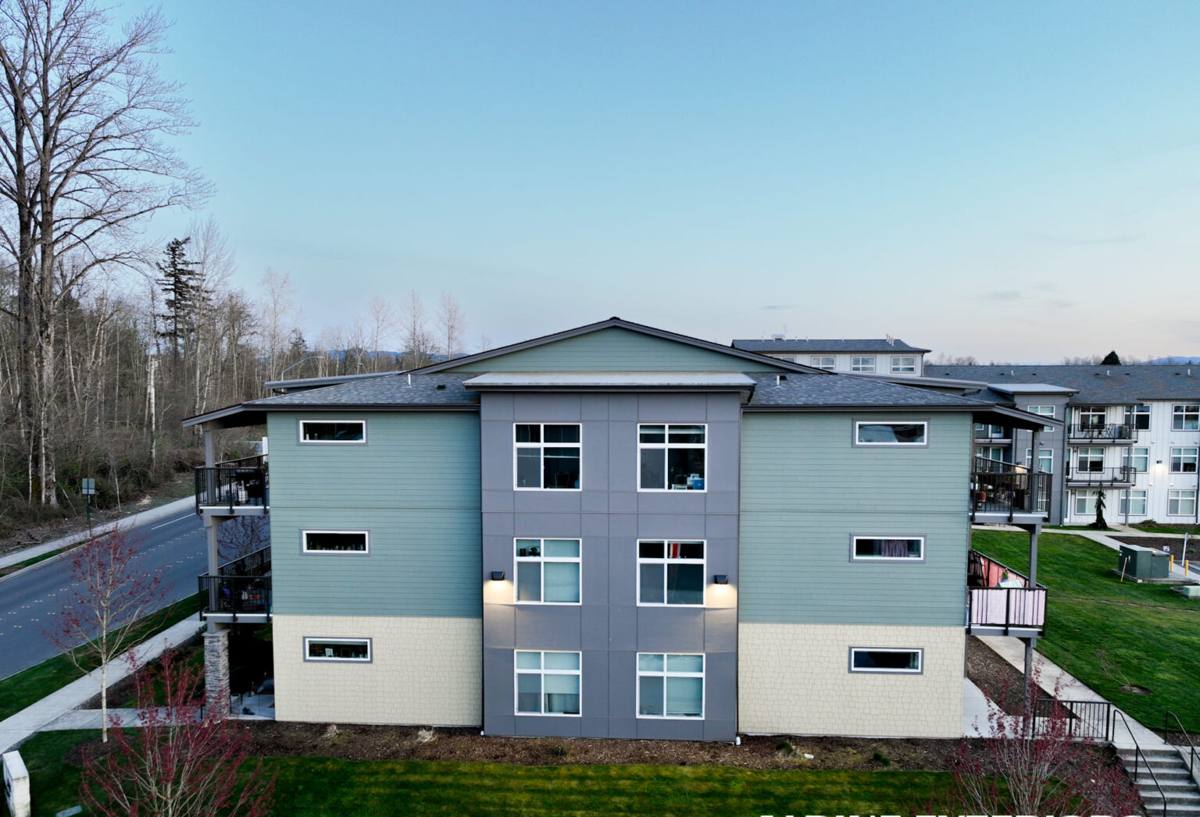
What a Correct Replacement Has to Solve Here
Salt Air and Fastener Corrosion
Standard electro-galvanized nails and exposed metal trim hold up fine in drier, inland parts of the county. Closer to the water, that same hardware can start showing rust streaks well before the shingles themselves are due for replacement. On Birch Point jobs we default to corrosion-resistant fasteners and flashing metals rated for coastal exposure, and we pay attention to any dissimilar-metal contact points — where two metals touch and accelerate each other's corrosion — that a rushed crew might overlook.
Wind-Driven Rain at Every Penetration
Rain that falls straight down is easy to shed. Rain that's being pushed sideways by wind off the water finds its way under laps, around vent boots, and behind step flashing that would otherwise be adequate. That means extending ice-and-water membrane further up valleys and around penetrations than code minimums require, sealing and lapping underlayment with a coastal storm in mind rather than a calm day, and using a fastening pattern rated for higher wind exposure rather than the builder-grade standard pattern.
Moss, Shade, and a Long Wet Season
Whatcom County's wet season runs long, and any roof section that stays shaded or slow to dry — north-facing slopes, areas under tree cover, low-slope transitions — becomes a moss magnet. Moss doesn't just look bad. It holds moisture against the shingle surface, works its way under tabs, and lifts the roofing material off the deck over time. A replacement that ignores this will need moss treatment and cleaning within a couple of seasons regardless of how good the shingle itself is.
Signs Your Roof Has Moved From Repair to Replacement
Not every issue means a full tear-off. But on a coastal-exposed roof, some signs mean patching is just delaying a bigger problem:
- Granule loss heavy enough that you're finding grit in gutters and downspouts every time it rains
- Shingles that are curling, cupping, or cracking, especially on sun- and wind-exposed slopes
- Moss or algae staining that keeps coming back within a season or two of cleaning
- Soft spots, sagging, or visible movement when walking the roof or viewing the decking from the attic
- Rust staining running down from flashing, vent boots, or exposed nail heads
- Daylight visible through the roof deck from inside the attic, or damp insulation after rain
- Repeated leaks at the same location despite prior repairs — a sign the underlying system, not just the surface, has failed
- A roof approaching or past 20–25 years old with no major work done since it was installed
If you're seeing two or more of these, it's worth having someone walk the roof and give you a straight answer rather than another round of spot repairs.
Choosing a Roofing System for a Birch Point Home
There's no single "best" material for every home here — it depends on your roof's slope, shading, wind exposure, and how long you want to go between maintenance calls. Here's how the main options compare for a coastal Whatcom County property:
| Material | How It Handles Salt Air & Moss | Maintenance | Relative Cost Tier |
|---|---|---|---|
| Algae-resistant architectural asphalt shingle | Copper- or zinc-infused granules resist algae staining; standard hardware still needs corrosion-rated fasteners near the shoreline | Periodic gentle cleaning; moss growth still possible on shaded slopes | $$ (mid-range) |
| Standard 3-tab asphalt shingle | No built-in algae resistance; stains and moss establish faster | More frequent cleaning and moss treatment needed | $ (budget) |
| Standing-seam metal roofing | Steep, smooth surface sheds moss well; requires a coastal-rated finish and fastener system to resist corrosion | Low; occasional rinsing, watch fastener condition over time | $$$ (premium) |
| Synthetic (composite) shake/shingle | Resists moisture absorption better than natural wood shake; holds up well to salt exposure | Low to moderate | $$–$$$ (mid to premium) |
We'll talk through slope, shading, and your home's specific exposure at the estimate, but for most Birch Point homes we lean toward algae-resistant architectural shingles or standing-seam metal as the two options that hold up best without demanding constant upkeep.
Our Roof Replacement Process
The process itself isn't unusual — what changes for a Birch Point job is the attention paid at each step to wind and moisture exposure.
- On-site inspection. We walk the roof, check the attic and decking condition, and note shading, slope, and wind exposure specific to your property.
- Written estimate. Material options, scope, and pricing laid out plainly — no pressure, no vague allowances.
- Deck inspection during tear-off. Any soft, water-damaged, or rotted decking gets identified and replaced before new roofing goes down — not covered over.
- Underlayment and flashing first. Ice-and-water membrane at eaves and valleys, properly lapped synthetic underlayment, and new flashing at every penetration, chimney, and wall intersection.
- Ventilation check. We confirm intake and exhaust venting is balanced before closing the roof up.
- Material installation. Installed to manufacturer spec with a fastening pattern suited to wind exposure, not just the minimum.
- Cleanup and walkthrough. Site cleared of debris and old material, magnetic sweep for stray nails, and a final walkthrough so you know exactly what was done.
Ventilation: The Part Homeowners Never See
Roof ventilation doesn't get much attention because you can't see it from the curb, but it's one of the biggest factors in how long a roof lasts in a damp climate. Balanced intake (soffit) and exhaust (ridge) ventilation keeps the underside of the deck dry and temperature-stable. Without it, moisture from the living space and from our long wet stretches can condense against the underside of the roof deck, encouraging rot and shortening the life of the roofing material from below — a problem no amount of quality shingle or metal on top will fix. Correcting inadequate ventilation is one of the most common upgrades we make during a replacement, and it's often invisible in the finished result while doing the most for the roof's actual lifespan.
Living With a New Roof: Moss and Salt-Air Maintenance
A well-installed roof still benefits from a little seasonal attention, especially this close to the water. A short annual routine keeps small issues from becoming expensive ones:
- Clear gutters and downspouts of debris before the fall rains start
- Have shaded or north-facing slopes checked for early moss growth each year
- Use gentle, low-pressure cleaning methods only — pressure washing strips granules and shortens shingle life
- Trim back overhanging branches that keep sections of roof damp and shaded
- Watch for rust staining at flashing or fastener points and have it inspected before it spreads
- Schedule a roof check after any major windstorm, especially one with gusts off the water
Why a Crew That Already Works Birch Point Matters
General roofing knowledge gets you a roof that meets code. Local knowledge gets you a roof built for the conditions it will actually face. We already know which slopes on shoreline-exposed homes tend to hold moss longest, which fastener and flashing upgrades are worth the cost this close to the water, and how wind-driven rain behaves differently here than it does a few miles inland in Blaine or further into Whatcom County. That's the difference between a crew estimating from a standard checklist and one that's walked roofs like yours before. If your property falls under any shoreline or neighborhood covenants, we can also work with those requirements rather than treating them as an afterthought.
We're a Blaine-based siding and exterior crew, and roofing is part of keeping the whole envelope of a home working together — a new roof that isn't coordinated with proper flashing at the walls and trim can just move water problems from one place to another.
If your roof is showing its age or you just want a straight opinion on what it actually needs, we're happy to take a look. Estimates are free and there's no pressure to move forward — fill out the form below and we'll get in touch.