 Blaine Siding
 Siding Built for Nooksack's Weather, Not Just Any Weather
Nooksack sits inland from the coast, but it doesn't escape the marine climate that defines Whatcom County. Wet Pacific air still pushes up the valley, rain still falls sideways in a hard westerly blow, and the tree cover and river-bottom humidity around town keep exterior walls damp longer than homeowners moving here from drier states expect. Siding installed without that reality in mind — the wrong material, the wrong flashing details, the wrong fastening schedule — tends to show problems within a few years instead of a few decades. This page covers what siding installation actually needs to look like for a Nooksack home, and why we install it the way we do.
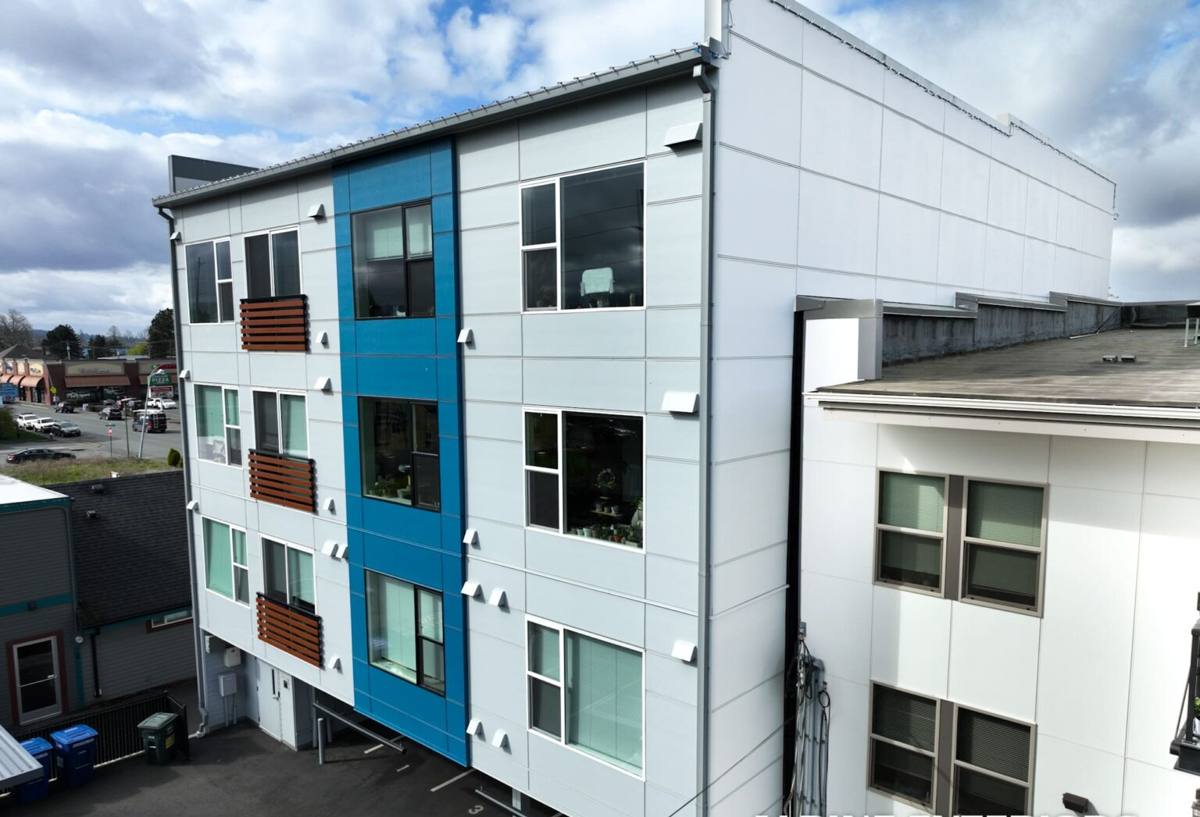
What This Climate Does to Siding Over Time
Three things drive almost every siding failure we see in this part of the county: standing moisture, shaded surfaces that never fully dry, and repeated freeze-thaw cycling on materials that weren't designed to handle it.
Moisture That Doesn't Let Up
Whatcom County gets a long wet season, and a lot of that rain arrives as driving rain — wind-driven, hitting walls at an angle instead of falling straight down. That matters because driving rain finds every gap in a wall assembly: unsealed butt joints, undersized flashing, caulk used where a proper drip cap should be. Once water gets behind the cladding, it doesn't dry quickly in this humidity, and that's when rot, mold, and fastener corrosion start.
Moss, Shade, and Slow-Drying Walls
Homes with mature trees, north-facing walls, or tight side yards stay shaded and damp for much of the year. That's ideal growing conditions for moss and algae on any siding surface with texture or porosity. Beyond the cosmetic issue, moss holds moisture against the surface, which accelerates whatever degradation is already happening underneath.
Temperature Swings and Material Stress
It doesn't get brutally cold in Whatcom County, but the freeze-thaw cycling that does happen — combined with constant wetting and drying — puts real stress on materials that expand, contract, or absorb water at different rates than the wall behind them. Over years, that cycling is what opens up seams and loosens fasteners on siding that wasn't engineered for it.
What a Correct Installation Actually Involves
Good siding starts before the first board goes up. The water management system behind the cladding matters as much as the cladding itself, and it's the part homeowners can't see once the job is finished — which is exactly why it's the part that gets skipped on rushed installs.
Water Management Behind the Cladding
A correct installation includes a weather-resistive barrier installed shingle-style (upper layers overlapping lower ones), properly integrated window and door flashing, and a rainscreen or drainage gap where the wall assembly calls for one. Every penetration — hose bibs, vents, light fixtures — needs to be flashed and sealed, not just caulked over. This is the layer that determines whether driving rain stays outside the wall or works its way in.
Fastening, Clearances, and Flashing Details
Fiber cement siding has a manufacturer-specified nailing pattern, fastener type, and minimum clearance from grade, roofing, and decks — clearances that exist specifically to keep splash-back and standing moisture away from the bottom edge of the siding. Butt joints need to be flashed, not just butted together and caulked. Skipping these details is the single biggest reason siding installed correctly on paper still fails early in a wet climate like this one.
Why We Install Only James Hardie Fiber Cement
We get asked why we don't offer vinyl, LP SmartSide, or other fiber cement brands as options. It's a fair question, and the honest answer is that we made a standard for ourselves based on what holds up in this exact climate over decades, not just what looks good at installation.
What We Won't Install, and Why
Vinyl siding is inexpensive and low-maintenance in the sense that it doesn't need painting, but it's a thin plastic product that can warp in temperature swings, crack on impact in cold weather, and fade over time — and it relies almost entirely on caulking and overlap for water management rather than a rigid, engineered water plane. Engineered wood products like LP SmartSide perform reasonably well when installation and maintenance are followed to the letter, but they're wood at their core, and wood-based siding is only as good as its ongoing paint and caulk maintenance in a climate this wet — miss a maintenance cycle and moisture finds the exposed edges. Other fiber cement brands compete reasonably with James Hardie on paper, but we standardized on Hardie specifically for its ColorPlus factory finish, its HZ5 product engineering for Pacific Northwest moisture exposure, and the strength of its transferable warranty when installation is performed to spec. That's not a knock on every alternative — it's a professional standard we hold ourselves to, and we'd rather install one product exceptionally well than several products adequately.
James Hardie fiber cement is non-combustible, dimensionally stable in wet-dry cycling, and doesn't feed moss and mildew the way wood-based products can. The factory-applied ColorPlus finish is baked on rather than field-painted, which means the color layer isn't dependent on our crew's paint technique or the weather on installation day — it's controlled in manufacturing, and it comes with its own finish warranty separate from the substrate warranty.
Our Nooksack Installation Process
- Site walk and assessment. We look at drainage, shade patterns, existing wall condition, and any moisture damage before quoting anything.
- Removal and substrate inspection. Old siding comes off and we check the sheathing underneath for rot or soft spots before anything new goes up — this is where hidden problems from years of moisture intrusion get found and fixed.
- Weather-resistive barrier and flashing. House wrap, window and door flashing, and drainage details go in per manufacturer specification, not shortcuts.
- James Hardie installation. Boards, panels, or trim go up per Hardie's fastening schedule and clearance requirements, with every joint and penetration properly flashed.
- Caulking, trim, and final detailing. The finish details that keep water out of seams and corners for the long run.
- Final walkthrough. We go over the completed work and warranty coverage with you directly.
Comparing Siding Materials for This Climate
| Material | Moisture Behavior | Moss/Algae Resistance | Maintenance | Typical Lifespan Here |
|---|---|---|---|---|
| James Hardie Fiber Cement | Dimensionally stable, engineered for wet-dry cycling | Strong; factory finish resists growth better than porous surfaces | Occasional wash; no repainting needed | 30+ years to substrate warranty |
| Vinyl | Relies on overlap and caulk; can warp with temperature swings | Moderate; smooth surface but seams collect grime | Low, but cracks/warping aren't repairable, only replaceable | 15-25 years in this climate |
| Engineered Wood (LP SmartSide) | Wood core; performs well only with consistent maintenance | Moderate; treated but still wood-based | Regular paint and caulk upkeep required | Highly maintenance-dependent |
| Primed Spruce / Cedar | Natural wood; absorbs and releases moisture readily | Weak without diligent upkeep; prone to moss in shade | High; repainting and sealing on a strict schedule | Shortest without strict maintenance |
What Affects the Cost of a Nooksack Siding Installation
Every home is different, and we'd rather give you an honest number after seeing the house than a range that doesn't mean much. That said, a few factors consistently move the price:
- Substrate condition. Rot or water damage found during tear-off adds repair work before new siding can go on.
- Wall complexity. Dormers, multiple gables, and cut-up wall lines take more labor per square foot than simple rectangular walls.
- Product selection. Lap siding, panel systems, and shingle-style Hardie products carry different material and labor costs.
- Trim and detail work. Corner boards, window trim, and fascia detailing add finish quality but also add time.
- Access and site conditions. Tree cover, tight lot lines, and multi-story sections can affect equipment and staging needs.
Signs Your Nooksack Home May Need New Siding
Homeowners often live with early warning signs for years before calling anyone, mostly because the damage isn't obvious from the ground. Worth checking for:
- Soft spots or visible warping when you press on the siding
- Bubbling, peeling, or persistent staining on interior walls near exterior corners
- Moss or algae that returns within weeks of being cleaned off
- Cracked, buckled, or missing panels, especially on shaded or north-facing walls
- Visible gaps at joints, corners, or window trim
- A noticeably higher heating bill than similar-sized homes nearby, which can point to a failing water and air barrier
Why a Crew That Already Works This Area Matters
Siding installation isn't just a product choice — it's a set of judgment calls about flashing details, drainage, and fastening that get made on site, house by house. A crew that already works throughout Whatcom County has seen how homes in this part of the state actually hold up over the years: which details fail first, which shaded walls need extra attention, and how driving rain off the marine air behaves against a real wall assembly instead of a diagram. That local track record is what separates an installation that looks right on day one from one that's still performing correctly ten and twenty years later.
If your Nooksack home needs new siding, or you want a second opinion on what's already up, we're happy to take a look and put together a straightforward, no-pressure estimate — just fill out the form below.