 Blaine Siding
 Windows Built for Nooksack's Wet Corner of Whatcom County
Nooksack sits away from the open water, but it still gets the weather pattern that shapes this whole part of Washington: long stretches of steady rain, humidity that lingers for days at a time, and enough tree cover and shade on north- and east-facing walls to keep moss and algae established most of the year. Wind off the Strait and the lowlands can push moisture-laden air well inland, so even homes that never see salt spray directly still deal with the driving rain and damp air that come with it. Windows take that abuse slowly — not from one storm, but from months of moisture sitting against frames, sills, and glazing with little chance to fully dry between rain events. Custom windows for a Nooksack home means matching the unit and the installation to that reality, not just dropping in whatever size ships fastest from a big-box supplier.
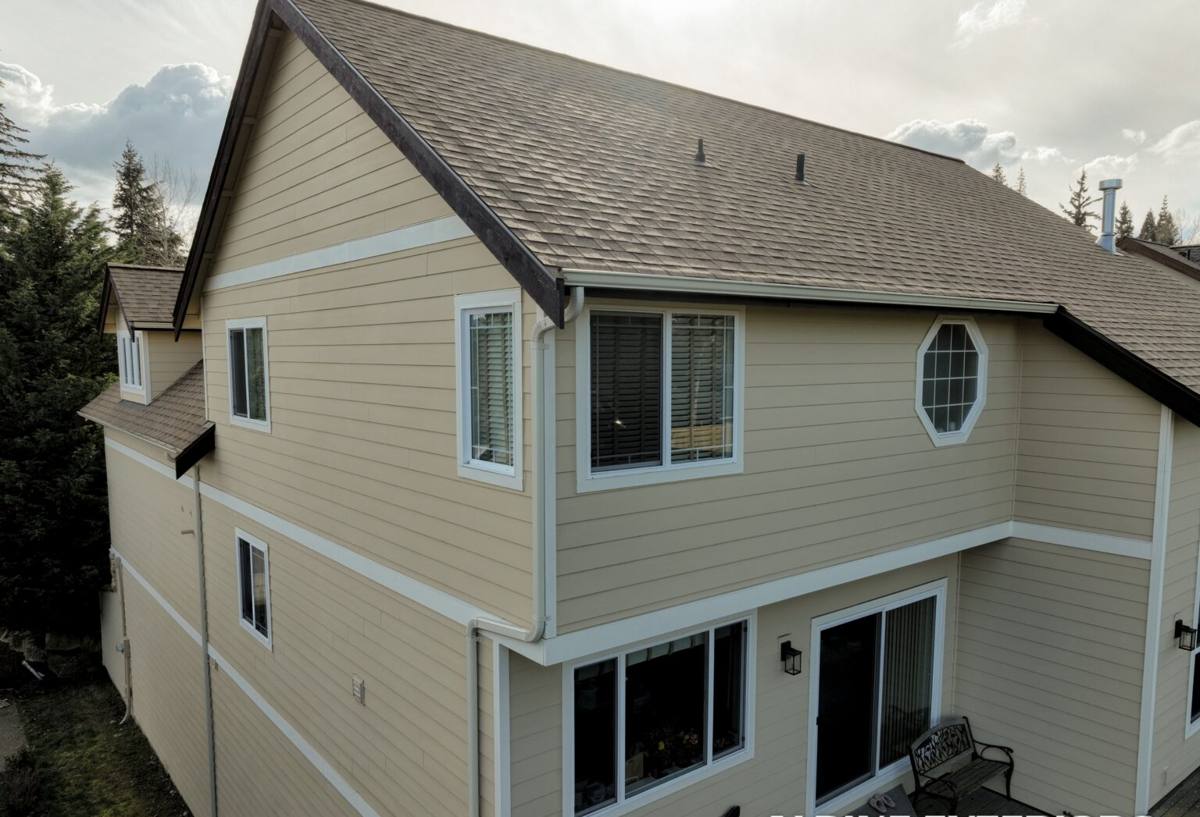
What "Custom" Actually Means
"Custom" gets used loosely in this industry, so it's worth being specific about what it should mean for your project.
True custom sizing vs. stock sizing
Most production-built and older homes in this area have window openings that are close to standard sizes but rarely exact — decades of settling, past remodels, or original construction tolerances mean the rough opening is often an odd fraction of an inch off. Stock windows get forced into these openings with shims, extra caulk, or trimmed jamb extensions, and every one of those workarounds is a place water can eventually find its way in. A true custom window is built to the actual measured opening, which means a tighter, more predictable seal from day one.
Custom also means matched to the wall assembly
Custom isn't only about dimensions. It also covers frame depth, mulling configuration for grouped windows, and how the unit's nailing fin or flange interacts with your specific wall assembly — siding type, house wrap, and existing flashing. Getting this part wrong is one of the most common causes of hidden moisture problems behind otherwise good-looking windows.
Signs Your Nooksack Home's Windows Are Losing the Fight
Because damage from this climate develops gradually, most homeowners notice symptoms years before they connect them to the actual cause. Watch for:
- Fogging or a permanent haze between the panes of a double-pane unit (means the seal has failed and the gas fill is gone)
- Soft or discolored wood at the sill or lower corners of the frame, especially on walls that face north or sit in shade most of the day
- Visible green or black growth on the frame, trim, or sill that keeps returning after cleaning
- Windows that feel drafty or noticeably colder near the glass in winter
- Difficulty opening, closing, or latching — often a sign the frame has swollen or shifted out of square
- Paint that's cracking, peeling, or bubbling specifically around the window opening while the rest of the trim looks fine
Any one of these on its own might be minor. Two or more on the same window usually means moisture has already gotten past the surface and is working on the frame or the wall behind it.
Frame Material: The Trade-Offs for This Climate
There's no single "best" frame material for every house — the right call depends on your budget, the home's style, and how much upkeep you actually want to do. Here's how the common options compare for a wet, moss-prone climate like this one.
| Material | Moisture Behavior | Maintenance | Typical Lifespan |
|---|---|---|---|
| Vinyl | Won't rot or corrode; seams and welded corners are the main watch points | Low — occasional cleaning, no painting | 20–30+ years with quality construction |
| Fiberglass | Very stable in wet/dry cycles; minimal expansion and contraction | Low to moderate | 30+ years |
| Wood (unclad) | Handsome but vulnerable to prolonged moisture exposure without diligent upkeep | High — regular painting/sealing required, especially on shaded elevations | Varies widely with maintenance |
| Wood-clad (exterior vinyl/aluminum, wood interior) | Exterior face resists weather; interior keeps a traditional look | Moderate — cladding is low-maintenance, interior wood still needs occasional attention | 25–30+ years |
For homes in this area, we lean toward vinyl or fiberglass for most projects because they hold up to years of damp exposure without the ongoing paint and sealant schedule that unclad wood demands — especially on shaded walls that never fully dry out. That's our professional standard based on how these materials actually perform here over time, not a knock on wood as a material; some homeowners still choose it for the interior look and are willing to keep up with the maintenance it requires.
What a Correct Installation Actually Involves
The window itself only does half the job. The other half is how it's installed, and this is where a lot of moisture problems actually start.
Flashing and drainage plane integration
Water needs a planned path down and out, not just a caulk bead hoping to stop it at the surface. That means flashing tape or a pan flashing at the sill, properly lapped house wrap or weather-resistant barrier above and around the opening, and head flashing that sheds water away from the top of the frame rather than trapping it.
Sealant is a backup, not the plan
Caulk and sealant matter, but they're the last line of defense, not the whole strategy. An installation that relies mainly on sealant to keep water out will eventually leak once that sealant ages, shrinks, or gets missed during a future re-caulk. We use it to finish and protect a drainage-based installation, not to substitute for one.
Level, plumb, and square — checked, not assumed
A window that's slightly out of square will bind, won't seal evenly against its weatherstripping, and will wear unevenly at the corners. Shimming and checking this properly takes extra time on every unit, but it's the difference between a window that operates smoothly for decades and one that starts sticking within a few years.
Our Process for a Nooksack Custom Window Project
- On-site assessment: We look at each opening individually — condition of the existing frame, evidence of past moisture intrusion, wall assembly, and exposure (which elevations get the most weather and shade).
- Measurement and product selection: Openings get measured for true custom sizing, and we talk through frame material, glass package, and grid or style options based on your home and budget.
- Written estimate: You get a clear scope and price before anything is ordered — no surprise add-ons once work starts.
- Removal and inspection: When old windows come out, we check the framing underneath for hidden rot or moisture damage before the new unit goes in. This is often when older, undisclosed problems surface — better found now than after a new window is installed over them.
- Installation with proper flashing and drainage: Sill pan, house wrap integration, head flashing, and sealant, in that order — not shortcuts.
- Final check and walkthrough: Every window gets tested for smooth operation, square fit, and a tight seal before we call the job done.
Cost Factors for a Custom Window Project
Exact pricing depends on your specific home, but these are the main variables that move the number up or down on most projects:
| Factor | How It Affects Cost |
|---|---|
| Frame material | Vinyl is typically the most budget-friendly; fiberglass and wood-clad options cost more upfront |
| Opening size and configuration | Larger units, bays, and mulled multi-window assemblies cost more than single standard-size units |
| Glass package | Upgraded low-E coatings, gas fills, or triple-pane glass add cost but improve comfort and efficiency |
| Condition of existing framing | Rot or moisture damage discovered during removal adds repair time and materials |
| Number of windows | Doing multiple openings in one project usually reduces the average cost per window |
| Access and elevation | Second-story or hard-to-access windows take more time and equipment |
We'd rather walk your home and give you real numbers than throw out a broad range that doesn't mean much until we've actually seen the openings.
Why a Crew That Already Works in Nooksack Matters
A window installer who mainly works in drier inland climates or dense urban infill doesn't necessarily think about drainage planes and prolonged shade exposure the same way a crew working Whatcom County day in and day out does. Knowing that a north-facing wall here can stay damp for weeks at a stretch, or that moss and algae growth on trim isn't just cosmetic but a sign of standing moisture, changes how we flash an opening and which materials we recommend. It also means we're not learning the area's quirks on your project — we've already seen how these openings behave through a full wet season and into summer, and we build installations that account for that whole cycle, not just how things look on install day.
Keeping New Custom Windows Performing Long-Term
A correctly installed window still benefits from basic upkeep in this climate. A simple annual routine goes a long way:
- Clean tracks and weep holes so water can actually drain instead of pooling
- Wipe down frames and sills to knock back early moss or algae growth before it establishes
- Check exterior sealant lines each fall for cracking or gaps and have them touched up before winter rains set in
- Test operation on all windows once a year — sticking or hard-to-latch sashes are worth addressing early
- Keep gutters and downspouts clear so roof runoff isn't dumping extra water onto window heads below
None of this is complicated, but skipping it is how a well-installed window ends up with an avoidable problem five or ten years down the road.
If your Nooksack home has windows showing their age, or you're planning a remodel and want units sized and installed correctly for this climate, we're happy to take a look. Request a free, no-pressure estimate using the form below and we'll walk you through what your home actually needs.