 Blaine Siding
 Building Decks for California Creek's Conditions
California Creek sits close enough to the water and to Drayton Harbor's weather patterns that a deck here takes a different kind of beating than one built twenty miles inland. Salt-laden air, long stretches of driving rain, and a moss season that can run from fall through spring all work on wood, fasteners, and footings in ways that a generic "build a deck" approach doesn't account for. We've built and replaced decks throughout this part of Blaine and Whatcom County long enough to know which details actually matter here and which ones are just upsells.
This page covers what a deck in California Creek specifically needs, how we build and replace them, and what to look for whether you're planning a new deck, replacing a failing one, or trying to figure out why yours is showing problems years earlier than it should.
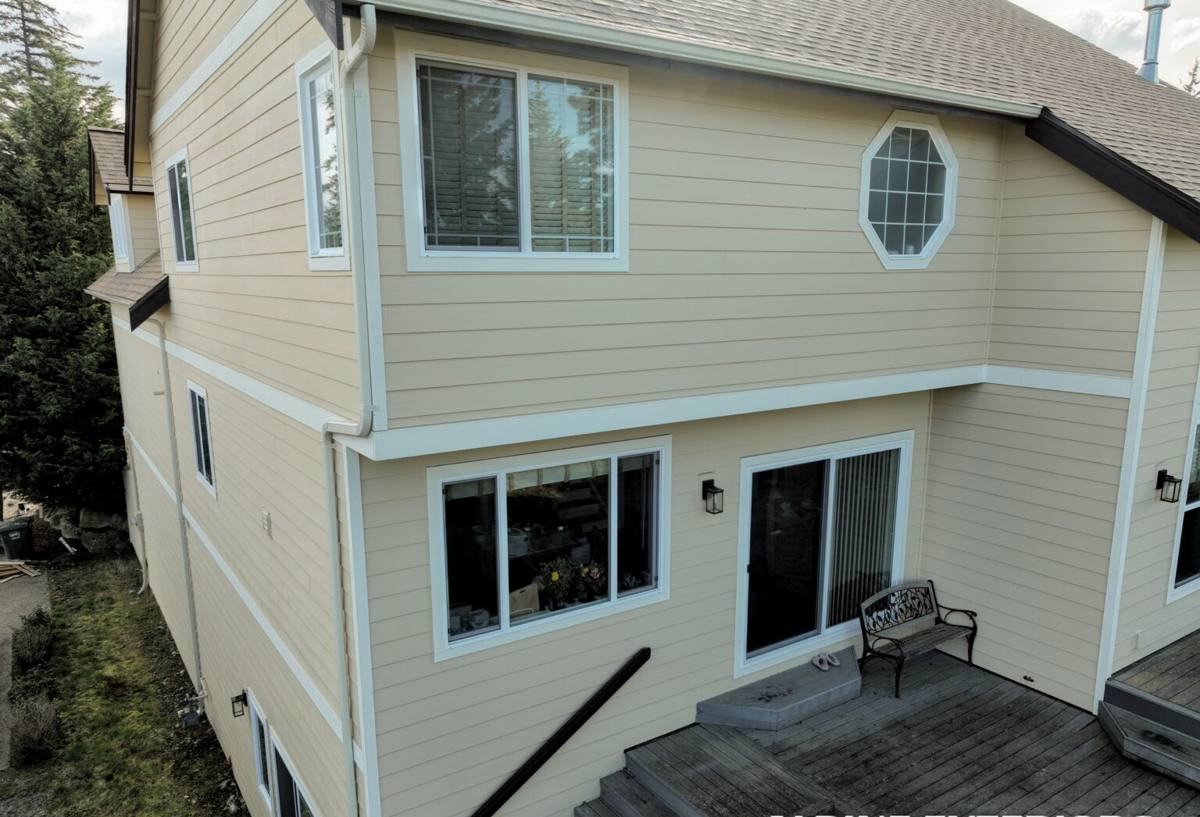
What Blaine's Climate Actually Does to a Deck
Salt Air and Corrosion
Even properties that aren't waterfront in California Creek get salt-laden air moving through on a regular basis. Salt accelerates corrosion on any exposed metal — fasteners, joist hangers, railing brackets — and it can shorten the useful life of lower-grade hardware by years. It also interacts with some wood finishes, causing them to break down faster than the manufacturer's stated schedule would suggest.
Driving Rain and Standing Moisture
Blaine gets long stretches of steady, wind-driven rain rather than short, heavy downpours. That pattern matters for decks: water gets pushed sideways and up into joints, ledger connections, and stair stringers that a "straight down" rain design wouldn't expose. Decks that drain slowly, or that trap moisture against the house, are the ones we see rotting from the inside out.
Moss and Algae Season
Shaded decks, north-facing decks, and anything under mature trees in this area can grow moss for a large part of the year. Moss holds moisture against decking boards and stair treads, which is both a durability problem and a slip hazard. A deck built without airflow underneath or without a slip-resistant surface plan will fight moss every single winter.
Material Choices That Make Sense for This Location
There's no single "right" decking material for every California Creek home — it depends on budget, how much maintenance you want to do, and how exposed the deck is. Here's how the common options actually compare under local conditions, not just on paper.
| Material | Moisture & Salt-Air Behavior | Moss/Algae Resistance | Maintenance Needed | Relative Cost |
|---|---|---|---|---|
| Pressure-treated wood | Decent if properly sealed and re-sealed; end grain and cut edges are vulnerable | Low — needs regular cleaning and treatment | Annual cleaning, periodic re-staining/sealing | Budget |
| Cedar | Naturally moisture-resistant but still needs finish maintenance in salt air | Moderate — better than treated pine but still grows moss if shaded | Regular finish upkeep to hold color and resist checking | Mid-range |
| Traditional composite | Good moisture resistance; some older formulations can absorb surface moisture | Better than wood, but uncapped boards can still stain | Occasional washing, no sealing/staining | Mid-range to premium |
| Capped composite / PVC | Very good — the cap layer resists moisture intrusion and salt exposure well | Best of the group; smooth cap sheds algae growth more easily | Periodic washing only | Premium |
We're honest with clients that the cheapest option up front — untreated or minimally treated wood — usually costs more over ten years in this climate once you factor in re-sealing, board replacement, and hardware corrosion. That's a maintenance-burden conversation, not a knock on wood as a material; wood decks done right and maintained on schedule can last a long time here too.
Structural Details We Don't Skip
Footings and Frost Considerations
Footing depth and drainage matter more in a wet coastal soil than in drier inland conditions. We size and place footings so they're not sitting in a spot that holds water against the concrete year-round, which is a common cause of long-term settling and post movement we see on older California Creek decks.
Ledger Attachment and Flashing
The ledger board — where the deck attaches to the house — is the single most common failure point we find on decks we're asked to inspect or replace in this area. Wind-driven rain finds its way behind poorly flashed ledgers, and by the time it's visible, there's often already rot in the rim joist behind the siding. Proper flashing, correct fastener spacing, and a drainage gap behind the ledger aren't optional details for us; they're the difference between a deck that lasts and one that fails from the house side out.
Joist Spacing and Hardware
We use corrosion-resistant hardware rated for the fastener chemistry of whatever decking and framing combination we're installing — this matters more here than in a dry inland climate, where standard hardware can hold up fine. Joist spacing gets tightened up for composite and PVC decking, which typically needs closer support than solid wood boards of the same dimension.
Drainage and Under-Deck Airflow
Low decks or decks built tight to grade trap moisture and encourage moss underneath, which works its way up through board gaps. We grade and vent under-deck space so air can move and water has somewhere to go instead of sitting under the structure all winter.
How We Approach a California Creek Deck Project
- On-site assessment. We look at sun exposure, grade, existing structure condition (for replacements), and how close the property is to salt-air exposure to inform material and hardware recommendations.
- Design and material selection. We walk through the material comparison above with you in the context of your specific site — shaded and low decks get different recommendations than open, elevated ones.
- Permitting. Deck permitting requirements depend on height, attachment to the structure, and size, and vary by jurisdiction. We handle the application and inspection scheduling so you don't have to track it down yourself.
- Tear-off (for replacements). We remove old decking and inspect framing, ledger, and footings before rebuilding on top of anything — a deck is only as good as what's underneath the new boards.
- Framing and structural work. Footings, ledger flashing, joists, and hardware get installed to hold up under this area's rain and salt exposure, not just to meet minimum code.
- Decking, railing, and stairs. Final surface installed per manufacturer spacing and fastening specs, with attention to drainage slope and slip-resistant tread surfaces where moss is a known issue.
- Final walkthrough. We go over maintenance expectations specific to the material you chose so there are no surprises the first wet winter.
Maintaining a Deck Through Blaine's Wet Season
Whatever material you choose, a few habits make a real difference in how long a California Creek deck stays solid and safe underfoot.
- Clear leaves and organic debris from board gaps before fall rains set in — trapped debris holds moisture and feeds moss growth
- Wash down shaded or north-facing sections at least once during moss season, not just in spring
- Check and tighten railing hardware annually — salt air corrosion loosens fasteners faster than most homeowners expect
- Inspect the ledger board area yearly for staining or soft spots, especially where siding meets the deck
- Re-seal or re-stain wood decking on the schedule the finish manufacturer recommends, not "whenever it looks faded"
- Keep gutters and downspouts near the deck clear so roof runoff isn't dumping extra water onto or under the structure
Problems We Commonly Find on Older Decks in This Area
When we're called out to look at an existing deck in California Creek, a handful of issues show up repeatedly:
- Rot at the ledger board from years of undetected water intrusion behind the siding
- Corroded joist hangers and fasteners that have weakened structural connections
- Persistent moss buildup on shaded boards causing surface degradation and slip risk
- Undersized or poorly placed footings that have allowed post movement over time
- Composite decking installed with wood-spec joist spacing, leading to boards that flex or sag
Most of these are preventable with correct installation the first time, which is why we spend more time on the structural details than on the parts of the job that are easy to see.
Why a Local Crew Matters for This Job
A deck built to a generic national spec sheet doesn't automatically hold up to Whatcom County's coastal weather pattern. Working regularly in Blaine and the California Creek area means we've seen how specific hardware, finishes, and framing choices actually perform here over years, not just how they're rated on a data sheet. It also means we're familiar with the local permitting process and can be back out to your property quickly if a question comes up after the job is done — no waiting on a crew that has to drive in from somewhere else.
Get an Estimate for Your California Creek Deck
Whether you're planning a new deck, replacing one that's showing its age, or just want an honest opinion on whether repairs or a full rebuild make more sense, we're happy to take a look. Fill out the form below for a free, no-pressure estimate — we'll walk the site with you and talk through material and design options based on your specific spot in California Creek.