 Blaine Siding
 Windows in Dakota Creek Have a Harder Job Than Most
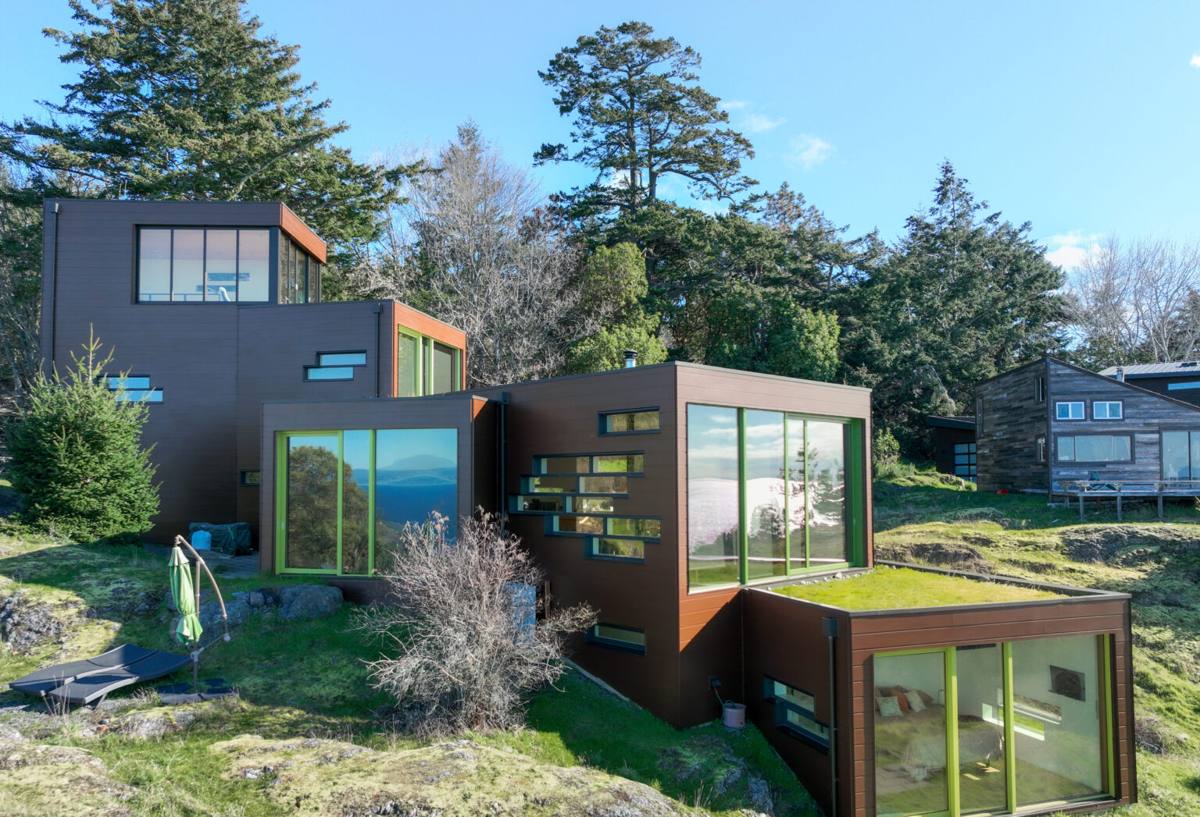
Dakota Creek sits close enough to Semiahmoo Bay and the Strait of Georgia that homes here catch weather most inland Whatcom County houses never see. Salt-laden air moves in off the water, driving rain comes in sideways during winter storms, and the shaded, damp corners of a lot can stay green with moss for months at a stretch. None of that is dramatic on its own, but stacked together year after year, it's exactly the kind of slow, steady exposure that ages a window fast — corroding hardware, softening wood sashes, and working seals loose long before a homeowner expects to think about replacement.
Energy-efficient windows are usually sold on the promise of lower heating bills, and that's real. But in this part of Blaine, the bigger issue is often what happens to a window that isn't built and installed for this climate: fogged glass, sticking sashes, soft spots in the frame, and drafts that show up right where the wall meets the window. A window package chosen and installed with Dakota Creek's conditions in mind solves both problems at once — comfort and durability — instead of just chasing an energy rating on a spec sheet.
What "Energy-Efficient" Should Mean Here, Specifically
Energy performance for a window is usually described with a couple of numbers: U-factor (how well the window resists heat loss — lower is better) and Solar Heat Gain Coefficient (how much solar heat passes through). Those numbers matter in Whatcom County's marine climate, but they're only part of the picture for a property exposed to salt air and constant moisture. Two other factors deserve equal weight:
- Condensation resistance — how well the window handles the temperature swing between a cold, damp exterior and a warm interior without fogging or sweating on the inside face of the glass.
- Air infiltration rating — how tightly the window seals against wind-driven rain, which matters more here than in a sheltered inland lot.
A window with a great U-factor but a mediocre air infiltration rating can still let moisture and drafts in around a Dakota Creek home during a January storm off the bay. We look at the whole performance picture, not just the number that sounds best on a brochure.
Glass Packages Worth Considering
Double-pane, low-E glass is the baseline for most replacement projects in this area and performs well for the price. Triple-pane glass adds meaningful insulation value and helps with condensation resistance on the coldest, wettest days, but it comes at a real cost and weight premium — worth discussing room by room rather than assuming every window on the house needs it. For homes with more direct water or wind exposure, we'll often recommend upgrading glass package on those specific elevations before recommending it for the whole house.
Signs Your Current Windows Are Working Against You
Homeowners in Dakota Creek usually notice a handful of specific things before they call about replacement:
- Moss or dark staining building up on window sills or the trim just below them
- Fogging or a permanent haze between panes on double-pane windows (a sign the seal has failed)
- Sashes that stick, drag, or won't latch cleanly, especially after damp weather
- A cold draft you can feel standing near the window even with it fully closed
- Visible gaps or soft, spongy wood at the corners of older wood-frame windows
- Condensation collecting on the inside of the glass during cold snaps
Any one of these can usually be repaired. Several at once, especially on a window more than 15-20 years old, is usually a sign that the frame or seal system has reached the end of what's worth fixing.
Frame Materials: What Actually Holds Up Near the Bay
Frame material choice matters more here than in a drier, more sheltered climate. Salt air accelerates corrosion on metal hardware and fasteners, and constant moisture is unforgiving toward any material that absorbs water. Here's how the common options compare for a Dakota Creek installation:
| Frame Material | Performance in Salt Air / Rain | Maintenance | Notes |
|---|---|---|---|
| Vinyl | Very good — won't corrode or rot | Low; occasional cleaning | Most common choice for this climate; good value |
| Fiberglass | Excellent — very stable, low expansion/contraction | Low | Higher upfront cost, strong long-term durability |
| Wood (unclad) | Poor without diligent upkeep | High — repainting, sealing | We're honest that unclad wood is a tough sell this close to the water |
| Wood-clad (vinyl/aluminum exterior) | Good if cladding and flashing are done right | Moderate | Interior wood look with better weather resistance outside |
| Aluminum | Fair — prone to condensation without a thermal break | Low | Only recommended here with a quality thermal break |
We don't install unclad wood windows on exposed Dakota Creek elevations as a matter of professional standard — not because wood is a bad material, but because the maintenance burden of keeping bare wood sealed against this much salt air and rain isn't realistic for most homeowners' schedules, and a missed maintenance cycle shows up fast as rot at the joints.
What a Correct Installation Actually Involves
The window unit itself is maybe half the job. The other half — and the part that determines whether it performs well for the next 20 years — is how it's installed. In a climate that drives rain sideways into a wall, this is not the place to cut corners.
Our process on a typical replacement
- Remove the old window and inspect the rough opening for hidden rot, soft sheathing, or prior water damage before anything new goes in
- Repair or rebuild any compromised framing — installing a new window into a damaged opening just hides the problem
- Install proper flashing at the sill and sides, lapped correctly so water sheds outward and down, never into the wall cavity
- Set the window level, plumb, and square, then secure per manufacturer specifications
- Seal and insulate the gap between frame and rough opening — done wrong, this is a common source of drafts even on a brand-new window
- Finish with weather-resistant exterior trim and sealant rated for marine exposure
- Test operation and seal integrity before we consider the job done
Skipping the flashing and moisture-barrier detail is the single most common shortcut that causes problems down the road — and it's invisible once the trim goes back on, which is exactly why it matters who's doing the work.
Why Local Experience in This Specific Area Matters
Dakota Creek isn't identical to downtown Blaine, and it's not the same as a sheltered inland Whatcom County lot either. Homes along the creek corridor and closer to the water deal with more direct wind-driven rain and salt exposure than properties a mile or two inland. A crew that's worked this specific stretch knows which elevations of a house typically take the worst weather, where moss tends to build up fastest, and which older framing and window styles are common enough in this area that we can often anticipate what we'll find once a window comes out — rather than being surprised by it mid-job.
That familiarity translates into fewer surprises, more accurate estimates, and installation details that are chosen for this climate specifically, not just general best practice.
Cost Factors to Expect
Every home is different, but the main things that move the price on an energy-efficient window project in this area are:
| Factor | Why It Affects Cost |
|---|---|
| Frame material | Vinyl is typically the most budget-friendly; fiberglass and wood-clad cost more upfront |
| Glass package | Triple-pane and upgraded low-E coatings add cost but improve comfort and condensation resistance |
| Number and size of openings | More straightforward math — larger and more numerous windows mean more material and labor |
| Condition of the rough opening | Hidden rot or framing damage found during removal adds repair time before the new window can go in |
| Full-frame vs. insert replacement | Full-frame (tear-out to the studs) costs more than an insert but is often the right call on older, damaged openings |
| Access and elevation | Upper-floor or hard-to-reach windows take more time and equipment |
We'll always walk you through which of these apply to your project before we give you a number — broad estimates without seeing the actual openings tend to be wrong in one direction or the other.
Simple Maintenance That Extends Window Life Here
Once new windows are in, a little seasonal attention goes a long way in this climate:
- Rinse salt residue off exterior frames and glass a few times a year, especially after winter storms
- Clear moss and debris from sills and tracks before it holds moisture against the frame
- Check exterior caulking and sealant annually for cracking or gaps
- Keep weep holes on the exterior sill clear so water can drain instead of pooling
- Operate each window a few times through the year so hardware doesn't seize from disuse and damp
Let's Take a Look
If your windows in Dakota Creek are drafty, fogged, sticking, or just old enough that you're wondering whether repair still makes sense, we're glad to come take a look and give you a straight answer — not a sales pitch. Use the form below to request a free, no-pressure estimate, and we'll walk the house with you and talk through what actually makes sense for your situation and budget.