 Blaine Siding
 Siding Built for a Peninsula, Not Just a Zip Code
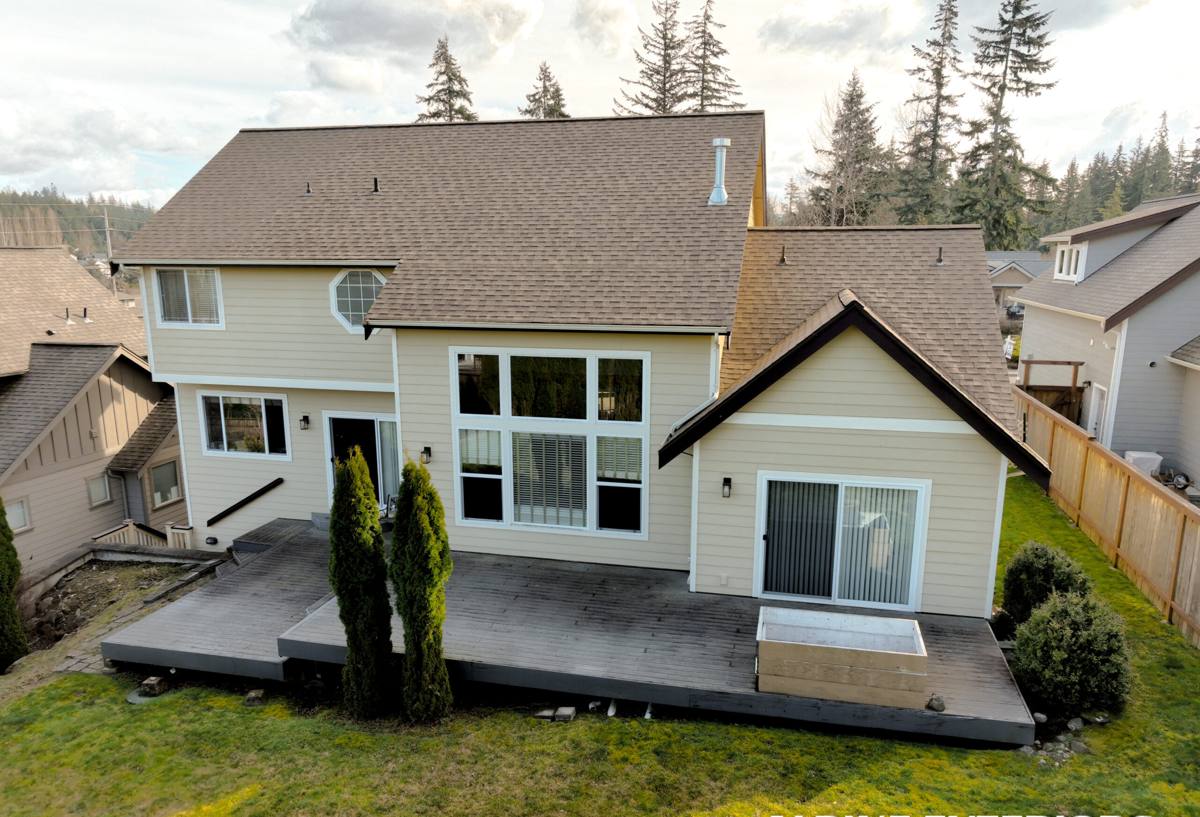
Point Roberts sits on its own point of land at the tip of the Tsawwassen Peninsula, bordered by water on three sides and separated from the rest of Whatcom County by miles of Canadian territory. That geography is charming for the people who live there, but it's brutal on exterior siding. Homes here take on salt-laden air off Boundary Bay and the Strait of Georgia, get pounded by driving rain that comes in sideways off the water, and sit under tree cover and marine humidity that keeps moss and algae established on north- and west-facing walls for most of the year. Siding that would last two or three decades a few miles inland can start failing at the seams and butt joints in half that time out here.
When we talk about "siding replacement in Point Roberts," we're not describing a generic Whatcom County service with a different city name swapped in. The wind exposure, the moisture load, and the maintenance realities of a small waterfront community change what "correct installation" actually means. This page covers what local homes need, what a proper replacement job looks like, and why the crew doing the work matters as much as the material they install.
What Salt Air, Rain, and Moss Actually Do to Siding
Salt Air and Corrosion
Airborne salt doesn't just sit on the surface of your siding — it works into fasteners, flashing, and any exposed metal trim. Over years, that accelerates corrosion at nail heads and staples, which is exactly where water intrusion tends to start. Salt exposure also breaks down cheaper paint films and coatings faster than inland weathering does, which is why factory-applied, baked-on finishes hold up so much better here than field-applied paint.
Driving Rain and Wind-Driven Moisture
Point Roberts gets weather straight off open water with little to break the wind. Driving rain doesn't just wet the surface of a wall — it gets forced up under laps, into seams, and behind poorly sealed trim. Siding systems that rely on caulk alone to keep water out, rather than proper lap geometry and a drainage plane behind the cladding, tend to show staining and soft spots first at inside corners, window heads, and anywhere two planes of the house meet.
Moss, Algae, and Prolonged Dampness
Shaded walls and roof-adjacent siding in this climate stay damp for extended stretches, especially through fall and winter. Moss and algae growth isn't just cosmetic — sustained dampness against a wall surface is what lets rot take hold in wood-based products, and it's what causes swelling, delaminating, or paint failure in siding that isn't engineered for constant moisture cycling.
Signs Your Point Roberts Home Needs Siding Replacement
- Visible swelling, bubbling, or soft spots when you press on the siding, especially near the bottom courses and around window trim
- Persistent moss or algae staining that comes back within weeks of cleaning
- Paint that's peeling, chalking, or needing repainting more often than every 6-8 years
- Cracked, warped, or separated boards, particularly on the west and north-facing walls that take the brunt of wind and shade
- Rust streaking from fasteners or trim, a sign salt exposure is attacking the metal
- Rising energy bills or drafts that suggest the weather barrier behind the siding has failed
- Visible gaps opening up at seams, corners, or where siding meets trim and flashing
What a Correct Siding Replacement Involves
Replacing siding on a Point Roberts home isn't just stripping old boards and nailing up new ones. Given the exposure this area gets, the details underneath the finished surface matter as much as the siding itself.
Tear-Off and Sheathing Inspection
Full removal of the old siding lets us actually see the sheathing and framing underneath — which is often where problems have been hiding, particularly if the old siding was already trapping moisture. Any soft or rotted sheathing gets replaced before anything new goes up. Skipping this step to save time is the single most common reason a "new" siding job fails early.
Weather-Resistive Barrier and Drainage Plane
A correctly installed weather barrier, lapped properly from the bottom up and sealed at every penetration, is what actually keeps wind-driven rain out of the wall assembly. In a location that takes as much direct weather as Point Roberts does, we also build in a drainage plane so any moisture that does get past the cladding has somewhere to go instead of sitting against the sheathing.
Flashing at Every Transition
Windows, doors, roof-to-wall intersections, and deck ledgers are where siding failures start. Proper flashing at each of these transitions, installed in the correct shingle-lap order, is non-negotiable on a home exposed to this much wind-driven moisture.
Fastening and Finish
Corrosion-resistant fasteners, correct nailing patterns, and proper joint and gapping details all matter more here than in a sheltered inland neighborhood. The finish on the siding itself also matters — a factory-cured finish resists salt and UV exposure far better than anything applied on site after installation.
Why We Install Only James Hardie Fiber Cement
We standardized on James Hardie fiber cement siding for every job we take on, including here in Point Roberts, and we don't install vinyl, LP SmartSide, or wood-based siding products. That's a deliberate choice, not a default. Fiber cement is non-combustible, doesn't absorb water the way wood-based products can, and holds up to salt air and constant moisture cycling far better over the long run. Hardie's ColorPlus factory finish is baked on and warranted against fading and chipping, which matters enormously in an environment where field-applied paint takes a beating. Hardie also engineers specific product lines (its HZ5 line, for example) for higher-moisture, harsher climates — which is exactly the profile Point Roberts fits. The trade-off is that fiber cement costs more up front and requires a crew that knows how to cut, fasten, and finish it correctly. We think that trade-off is worth it for a home that has to survive this climate for decades, not just look good on installation day.
Cost Factors for a Point Roberts Siding Replacement
| Factor | Why It Matters Here |
|---|---|
| Home size and wall complexity | More corners, dormers, and transitions mean more flashing detail and labor, which matters more given how many failure points wind-driven rain can find |
| Extent of sheathing/framing repair | Homes with long-term moss or moisture exposure often need hidden repairs discovered only after tear-off |
| Siding profile and trim package | Lap width, trim detailing, and corner treatments affect both material cost and installation time |
| Access and site conditions | Waterfront lots, limited driveway access, and material delivery logistics affect labor time |
| Color and finish selection | Factory-finished ColorPlus options add cost over primed material but remove the need for repainting |
Our Process
- On-site assessment — we walk the exterior, check for moisture damage, and evaluate the current siding, trim, and flashing
- Written estimate — a clear scope of work and pricing before anything is scheduled
- Tear-off and inspection — full removal of old siding with sheathing and framing checked before covering anything up
- Repair and weather barrier installation — any damaged sheathing replaced, weather-resistive barrier and drainage plane installed and sealed
- Hardie siding installation — installed to manufacturer spec with correct fastening, flashing, and joint treatment
- Final walkthrough — we review the finished job with you before calling it done
Why a Crew That Already Works Point Roberts Matters
Point Roberts is an exclave — the only way to drive there from the rest of Whatcom County is through Canada. That's not a small detail when it comes to hiring a siding contractor. Crews unfamiliar with the area often underestimate material delivery timing, border logistics for equipment and supplies, and scheduling around ferry or crossing wait times. A contractor who already works this community has that logistics figured out, so your project timeline doesn't slip because a materials truck got held up at the border or a crew wasn't prepared for the crossing.
Local experience also means we've already seen how homes in this specific microclimate age — which walls take the worst of the weather, where moss tends to establish first, and which older siding installations in the area are starting to fail and why. That's knowledge you can't get from a general regional average; it comes from working houses on this peninsula specifically.
Get a Free, No-Pressure Estimate
If your Point Roberts home is showing signs of siding wear — moss that won't stay gone, soft spots, peeling paint, or gaps opening at the seams — it's worth having someone take a real look before winter weather makes the problem worse. Use the form below to request a free estimate. We'll walk the exterior with you, tell you honestly what we find, and give you a clear, no-pressure picture of what a proper replacement would involve.