 Blaine Siding
 Siding Installation in Lynden, Serving the Blaine Area
Lynden sits a few miles inland from Blaine and the Strait of Georgia, in the farmland-and-foothills stretch of Whatcom County. That inland position changes the equation a little compared to homes right on the water in Blaine or Birch Bay — Lynden homes see less direct salt spray, but they still sit inside the same marine air mass that soaks the whole county for eight or nine months of the year. Add mature tree cover, irrigation overspray from surrounding farmland, and the shade pockets common on Lynden lots, and you get a climate that's just as hard on siding as anywhere closer to the coast, just in a slightly different way. This page is about what siding installation actually needs to get right for a Lynden home, and how we approach that job.
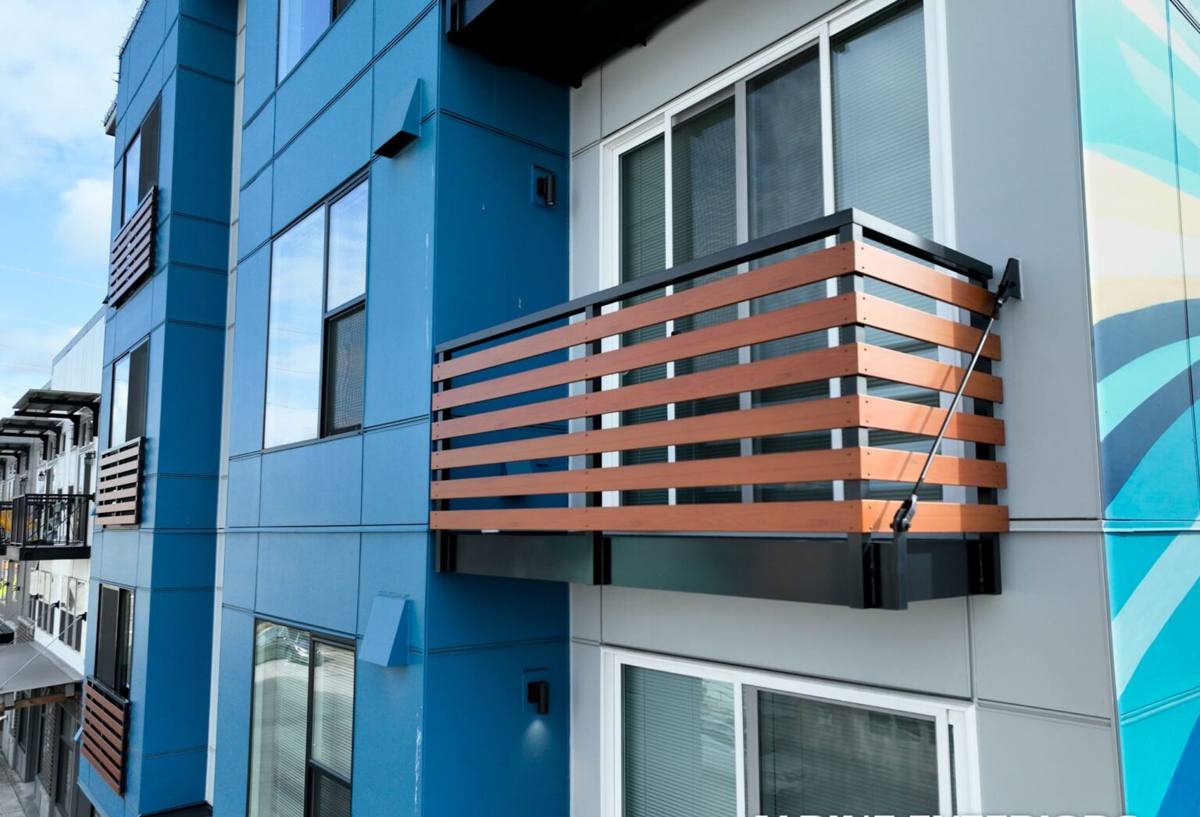
What This Climate Does to Siding
Whatcom County's weather isn't dramatic — it's relentless. That's the part homeowners underestimate.
- Driving rain: Storms off the Strait push rain sideways more often than you'd think, forcing water into laps, seams, and fastener penetrations that a calmer climate would never test.
- Moisture that never fully dries: Long stretches of overcast, humid days mean siding surfaces stay damp for days at a time, especially on north- and east-facing walls that don't get direct sun.
- Moss and algae season that runs most of the year: Shaded, moisture-retentive surfaces in Lynden's tree-lined neighborhoods grow moss and green algae film faster than exposed, sun-facing walls — a real issue on wood-based and even some fiber cement products if the finish isn't up to it.
- Residual salt influence: Even set back from the water, Lynden is close enough to Blaine and the Strait that airborne salt still reaches fasteners, flashing, and any exposed metal on a home's exterior over a long enough timeline.
None of these factors alone destroys a wall. Combined, over years, they're exactly what separates a siding job that looks good for two decades from one that needs attention in five.
Why We Install Only James Hardie Fiber Cement
We don't install vinyl, LP SmartSide, primed spruce, cedar, or other fiber cement brands. That's a deliberate standard, not a sales pitch, and it matters most in a climate like this one. Wood-based siding — cedar, primed spruce, engineered wood — depends on its finish and caulk joints staying intact to keep moisture out; once that seal is compromised, wood swells, checks, and eventually rots, and Whatcom County's damp season gives it very little time to dry out between rain events. Vinyl handles moisture fine but moves with temperature and can crack or bow under wind-driven rain and UV cycling over the decades. James Hardie fiber cement is cement, sand, and cellulose fiber — it doesn't rot, it isn't attractive to insects, and it's non-combustible. It's also engineered in climate-specific formulations, which is a genuine advantage in a place where the weather doesn't do the material any favors.
| Material | How it handles this climate | Long-term maintenance |
|---|---|---|
| James Hardie fiber cement | Engineered moisture resistance, factory finish holds color and sheds moss/algae growth better than raw wood | Occasional wash; repaint not required for the life of the ColorPlus finish |
| Cedar / primed wood | Attractive but absorbs moisture; caulk and paint film are the only barrier against Whatcom County's rain and humidity | Repainting and caulk renewal on a recurring cycle; rot risk if deferred |
| Vinyl | Sheds water well but can warp, crack, or fade under sustained UV and wind-driven rain cycling | Low, but limited repair options once damaged or discolored |
| Other fiber cement brands | Similar base material to Hardie, but formulation, finish warranty, and regional engineering vary by manufacturer | Depends on brand — verify finish warranty terms directly |
HardieZone HZ5: Why the Product Line Matters
James Hardie doesn't make one universal siding — the company engineers its HardieZone product lines by climate region, and Whatcom County falls in the HZ5 zone, built for areas with sustained moisture and freeze-thaw cycling rather than dry heat or hard freezes. Practically, that means the fiber cement formulation, moisture-management engineering, and finish are matched to exactly the conditions Lynden sees: long wet seasons, moderate but real winter cold snaps, and constant humidity. The ColorPlus factory finish is baked on in a controlled setting rather than field-applied, which matters a lot here — it resists the fading, chalking, and moss-friendly surface texture that field-painted products can develop faster in this climate. It also comes with a substantial transferable finish warranty, backed by James Hardie rather than by whatever crew happened to install it.
Product options for a Lynden home
- HardiePlank lap siding — the standard horizontal siding profile, available in multiple exposures and textures
- HardieShingle — for homes wanting a shingle-style look without the maintenance burden of real cedar shingles
- HardiePanel — vertical panel siding, often used for accent sections or board-and-batten style detailing
- HardieTrim — matched trim boards for corners, windows, and fascia that won't rot the way wood trim does
What a Correct Installation Actually Involves
Fiber cement siding is only as good as the installation behind it. Most of the siding failures we get called out to inspect — on any brand — trace back to installation shortcuts, not the material itself. In a climate that drives rain sideways and keeps walls damp for days, these details are non-negotiable:
- Weather-resistive barrier and rainscreen detailing behind the siding, so any moisture that does get past the surface has a path to drain and dry rather than sitting against the sheathing.
- Flashing at every penetration — windows, doors, hose bibs, light fixtures, vents — installed so water sheds outward at every layer, not just caulked over.
- Correct fastener placement and spacing, per James Hardie's published installation specs, using fasteners rated for the coastal-influenced moisture and salt exposure this region sees.
- Proper clearance from grade, decks, and roof lines — siding installed too close to the ground or a roof surface traps moisture and invites the exact rot and moss growth this climate is already pushing toward.
- Butt joints and seams sealed and flashed correctly, since horizontal laps are where driving rain finds its way in first.
Skip any one of these and the siding itself stops mattering — water gets behind it regardless of what the surface is made of.
Our Process for a Lynden Siding Installation
1. On-site assessment
We walk the home in person, check the current siding and sheathing condition, look at moisture patterns (which walls stay shaded and damp longest, where irrigation or drainage is hitting the exterior), and identify any rot or water damage that needs to be addressed before new siding goes up — installing over a compromised wall just hides the problem.
2. Product and color selection
We help homeowners pick the right HardiePlank profile, texture, and ColorPlus finish for the home, factoring in how the color and texture will actually perform under Whatcom County's overcast light and moisture — not just how it looks on a sample chip.
3. Prep and moisture management
Removal of the old siding, repair of any damaged sheathing, and installation of a proper weather-resistive barrier and rainscreen system before a single piece of Hardie goes up. This step is where most of the long-term performance is actually decided.
4. Installation to spec
Siding, trim, and flashing installed per James Hardie's fastening and clearance specifications — not shortcuts to save labor time. This is also where the transferable warranty depends on documented, correct installation.
5. Final walkthrough
We walk the finished job with the homeowner, check seams, caulking, and trim lines, and make sure everything is ready to handle the next wet season without a second thought.
What Affects the Cost of a Lynden Siding Job
| Factor | Why it matters |
|---|---|
| Home size and wall complexity | More corners, dormers, and angles mean more cutting, flashing, and labor time |
| Current siding removal and disposal | Tear-off adds time and disposal cost versus a bare-wall install |
| Sheathing or framing repair | Rot found once old siding comes off has to be fixed before new siding goes on |
| Product line and profile | HardieShingle and specialty textures run higher than standard HardiePlank lap |
| Trim and accent work | HardieTrim detailing around windows, corners, and gables adds material and labor |
| Access and site conditions | Mature landscaping, fencing, or tight lot lines around a Lynden property can slow staging and scaffolding |
We give firm, itemized numbers after seeing the home in person — anyone quoting a full siding replacement over the phone without walking the property is guessing.
Living With Hardie Siding in This Climate
One of the real advantages of switching to James Hardie in a climate like this is how little upkeep it asks for afterward. The ColorPlus finish doesn't need repainting on the schedule wood siding does, and the material itself doesn't feed the rot cycle that keeps homeowners chasing caulk and paint touch-ups every few years. That said, no siding is maintenance-free here:
- Rinse siding annually, especially on shaded or north-facing walls, to keep moss and algae film from establishing
- Keep gutters clear so overflow doesn't run down the siding face and accelerate staining
- Trim back vegetation and tree limbs that hold moisture against the wall
- Re-caulk penetration points (not the siding joints themselves, which shouldn't be caulked) if you notice gaps develop over time
- Have flashing and trim checked periodically, since these are the components most likely to need attention before the siding field does
Questions to Ask Before Hiring a Siding Contractor in Lynden
- Are you a certified James Hardie installer, and can you show documentation of that certification?
- Will you inspect and repair sheathing before installing new siding, or install over existing conditions?
- What weather-resistive barrier and rainscreen system do you install behind the siding?
- Does your installation qualify for James Hardie's transferable warranty, and what voids it?
- Can you provide a written, itemized estimate after an in-person site visit?
- How do you handle flashing at windows, doors, and other penetrations?
A crew that already works this part of Whatcom County will have answers to these ready without hesitation — it's the same conversation on every job here.
Get a Free Estimate for Your Lynden Home
If your siding is past its best years, showing moss growth that won't rinse off, or you're just planning ahead of the next wet season, we're happy to come take a look. The estimate is free, there's no pressure, and you'll get straight answers about what your home actually needs — not an upsell. Use the form below to get started.