 Blaine Siding
 Everson Roofs Face a Different Kind of Wear
Everson sits inland from the water, but that doesn't spare it from the weather patterns that define this part of Whatcom County. Moist marine air moves through the Nooksack Valley for months at a stretch, and it doesn't need to sit right on the coastline to do damage. Combine that with driving rain off the Strait of Georgia weather systems and long stretches of overcast, low-sun winters, and you get a roof environment that ages differently than roofs in drier parts of the state.
Most homeowners don't think about their roof until something goes wrong — a stain on the ceiling, a shingle in the yard after a windstorm, or a contractor pointing out moss during a gutter cleaning. By the time those signs show up, the roof has usually been losing ground for years. Understanding how the climate here actually works on a roof is the first step to knowing when replacement, not another patch, is the right call.
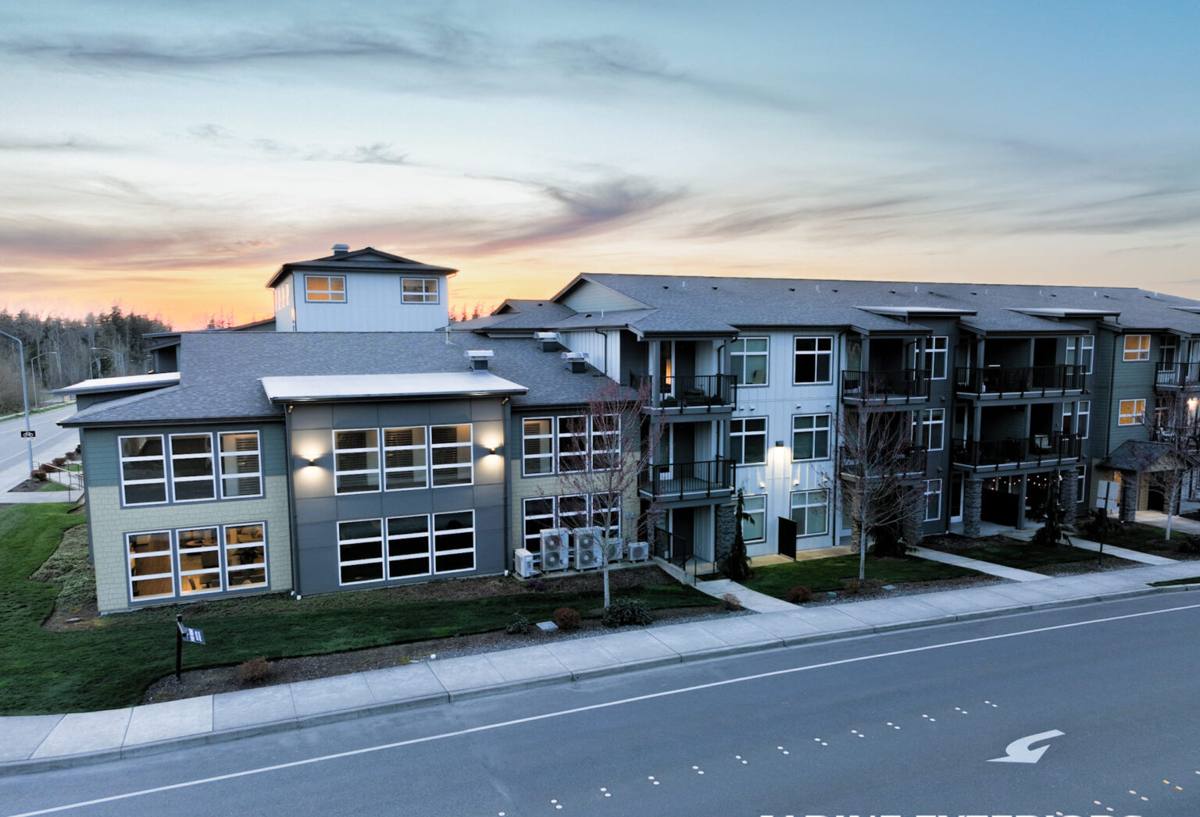
What Whatcom County Weather Does to a Roof Over Time
Moisture That Never Fully Leaves
Roofs in this region rarely get a long dry stretch to fully shed moisture the way roofs in arid climates do. Underlayment, decking, and shingle granules all stay damp longer after each rain event, which shortens the effective lifespan of materials that are rated for drier conditions.
Moss and Organic Growth
Shaded roof sections and north-facing slopes in Everson can carry moss for much of the year. Moss isn't just cosmetic — its root structure lifts shingle edges, holds water against the roof deck, and accelerates granule loss. A roof that's been fighting moss for several seasons is often further along in its decline than its age alone would suggest.
Wind-Driven Rain
Storms coming through the valley don't just drop rain straight down — they push it sideways under shingle tabs, around flashing, and into any gap that a fair-weather installation might get away with elsewhere. Roofs here need details built for rain that's actively trying to get underneath the surface layer, not just fall on top of it.
Signs an Everson Roof Is Ready for Replacement
- Granules collecting in gutters or at downspout outlets, especially after a rain
- Shingles that are cupping, curling at the edges, or visibly thinner in spots
- Moss or dark streaking that returns within a season or two of cleaning
- Soft spots or slight give underfoot when walking the roof
- Daylight visible through the roof deck from inside the attic
- Interior ceiling stains, especially near valleys, chimneys, or skylights
- A roof approaching or past 20-25 years old, regardless of visible damage
Any one of these on its own might just mean a repair. Several together, or a roof that's already had multiple repairs in recent years, is usually the point where replacement is the more honest recommendation than another round of patching.
What a Correct Roof Replacement Actually Involves
A roof replacement is more than swapping old shingles for new ones. The parts homeowners don't see are what determine whether a new roof lasts 10 years or 30 in this climate.
Full Tear-Off
We remove the existing roofing down to the deck rather than layering over it. Overlaying hides deck damage, adds unnecessary weight, and voids most manufacturer warranties outright. Tear-off is also the only way to actually inspect the decking underneath.
Deck Inspection and Repair
Any decking that's soft, delaminated, or water-stained gets replaced before anything new goes down. Installing new roofing over a compromised deck just guarantees a repeat problem in a few years.
Underlayment Built for Wet Climates
Given how much moisture this roof deck will see over its lifetime, we use underlayment products suited to sustained damp exposure, not the minimum required by code. This is one of the biggest lifespan differences between a roof built for the Pacific Northwest and one built to a generic national spec.
Flashing and Valleys
Flashing around chimneys, skylights, sidewalls, and valleys is where wind-driven rain finds its way in. These details get rebuilt correctly, not just re-sealed with caulk over old metal.
Ventilation
Proper intake and exhaust ventilation keeps the attic dry and temperature-stable, which matters for both shingle lifespan and moisture control in a climate that already has plenty of ambient humidity to deal with.
Choosing Materials for This Climate
There's no single "best" roofing material — the right choice depends on budget, roof pitch, how long the homeowner plans to stay in the house, and how much maintenance they want to take on. Here's how the common options compare for a Whatcom County home.
| Material | Typical Lifespan Here | Moss/Moisture Resistance | Maintenance |
|---|---|---|---|
| Standard 3-tab asphalt | 15-20 years | Lower — prone to moss in shaded areas | Moderate; benefits from periodic cleaning |
| Architectural (dimensional) asphalt | 20-30 years | Better than 3-tab; still needs monitoring | Moderate |
| Metal roofing | 40-50+ years | High — sheds moisture, resists moss | Low |
| Cedar shake | 20-30 years with upkeep | Low without regular treatment | High |
Architectural asphalt shingles are the most common choice for Everson homes because they balance upfront cost with real durability in wet weather. Metal is a strong option for homeowners planning to stay long-term or who want to minimize moss and maintenance calls. We'll walk through the honest trade-offs for your specific roof rather than pushing one product across the board.
Moss and Algae: Prevention Built Into the Install
Moss control starts at installation, not with a pressure washer after the fact. A few things make a measurable difference over the life of the roof:
- Zinc or copper strips installed near the ridge, which release ions that inhibit moss growth as rain washes over them
- Keeping overhanging branches trimmed back so shaded, damp sections get more light and airflow
- Choosing algae-resistant shingle products in sections that historically stay shaded
- Clean, unobstructed gutters so water isn't sitting against the roof edge
None of these eliminate moss risk entirely in a climate this wet, but together they meaningfully extend the time between cleanings and slow the granule loss that moss causes.
Our Replacement Process
- On-site inspection. We look at the roof, the attic, and the decking condition before recommending anything — not from a photo or a guess.
- Honest scope and estimate. You get a clear breakdown of what's being replaced and why, with material options explained in plain terms.
- Scheduling around the weather. Roof work depends on dry windows, and in Whatcom County that means planning carefully rather than rushing a tear-off into a forecast that doesn't hold.
- Tear-off and deck inspection. Old roofing comes off, decking gets assessed and repaired as needed.
- Underlayment, flashing, and ventilation work. The parts that determine how the roof performs in five years, not just how it looks on day one.
- Final install and cleanup. New roofing goes down to manufacturer spec, and the site is cleared of debris and nails before we call it done.
- Walkthrough. We go over the finished roof with you and answer any questions before wrapping up.
What Affects the Cost of a Roof Replacement
| Factor | Why It Matters |
|---|---|
| Roof size and pitch | Steeper roofs take longer and require more safety setup |
| Number of layers being removed | Multiple old layers mean more tear-off labor and disposal |
| Decking condition | Rot or soft spots found during tear-off add material and labor |
| Material choice | Asphalt, metal, and cedar carry different material and install costs |
| Roof complexity | Valleys, dormers, skylights, and chimneys all add flashing detail work |
We won't quote a number without seeing the roof — anyone who does is guessing, and it usually means change orders once the tear-off starts.
Why Local Experience Matters for This Job
A roofing crew that works Whatcom County regularly already knows how this climate behaves — which slopes hold moss longest, how far wind-driven rain travels under a shingle edge, and what underlayment actually holds up here versus what's rated for it on paper. That's not something a crew passing through the area for one job tends to catch. It shows up in the flashing details, the ventilation plan, and the material recommendations, not just in the finished look of the roof.
Questions Worth Asking Any Roofing Contractor Before You Hire
- Will the job include a full tear-off, or is an overlay being proposed?
- Is decking repair priced separately, and how is it communicated if problems are found?
- What underlayment and ventilation approach is included, not just the shingle brand?
- Is the crew licensed and insured for roofing work in Washington?
- What's the manufacturer warranty, and does the installer's own workmanship warranty match it?
- How do they plan around weather delays for a wet-climate job?
If your roof in Everson is showing its age or you just want an honest read on how much life it has left, we're happy to take a look. Use the form below to request a free, no-pressure estimate — we'll walk the roof, tell you what we actually see, and lay out your options without any hard sell.