 Blaine Siding
 Board & Batten in a Salt Air, High-Moisture Neighborhood
Birch Bay sits close enough to the water that homes here take a different kind of weathering than siding installed a few miles inland in Blaine or elsewhere in Whatcom County. Salt-laden air, wind-driven rain off the bay, and a long stretch of the year where moss and algae have every reason to take hold on north-facing and shaded walls — all of it adds up to more stress on exterior materials than most siding products are really built to handle. Board and batten is a popular look out here because it reads as clean, modern, or classic coastal-cottage depending on the trim details, but the look only holds up if the material underneath it is chosen and installed for this specific climate.
We get calls from Birch Bay homeowners who put up board and batten a decade or less ago and are already dealing with swollen boards, cracked caulk joints, or dark streaking that won't wash off. Almost every one of those jobs traces back to the same two things: a material that wasn't dimensionally stable in wet-dry cycling, or an installation that didn't give water anywhere to go once it got behind the boards. This page is about doing board and batten the right way for this specific stretch of coastline.
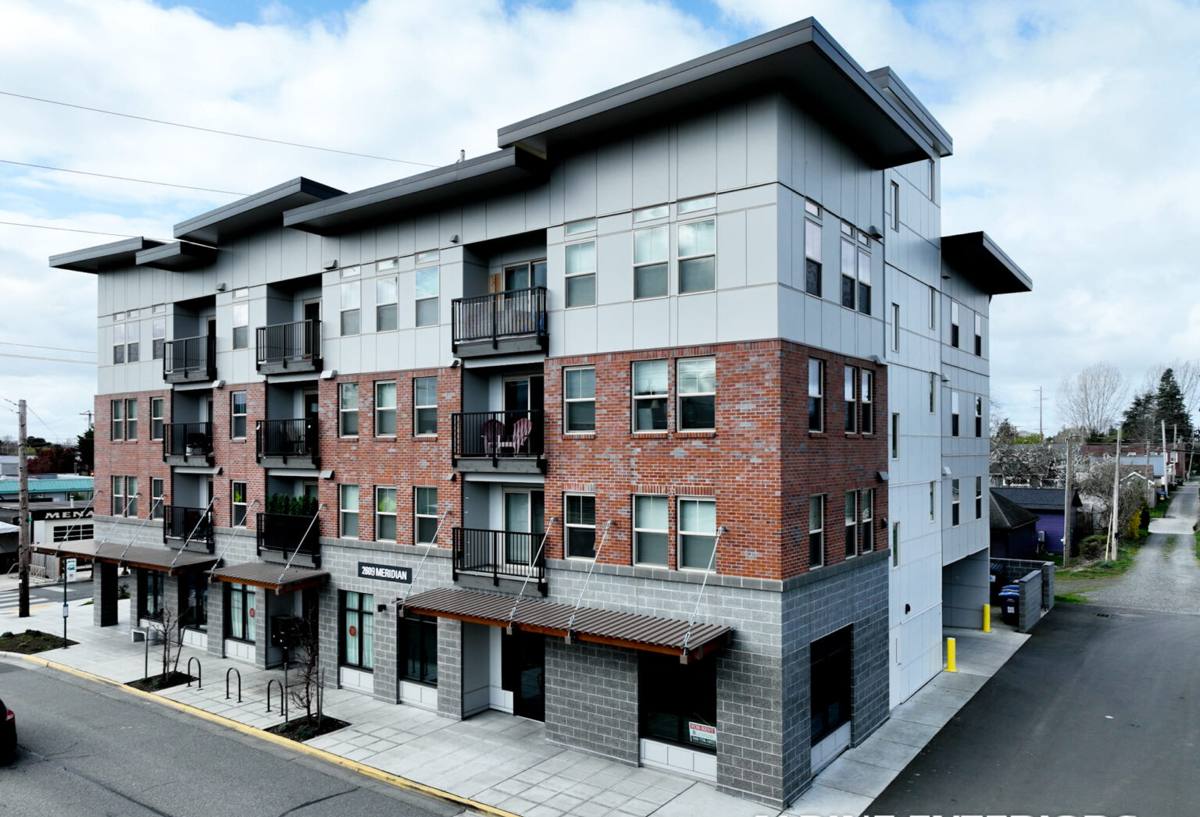
What Board & Batten Actually Is
Board and batten is a vertical siding pattern — wide flat boards or panels installed with narrower strips (battens) covering the seams between them. It's one of the oldest siding styles in American building, originally a practical way to cover gaps in wide plank siding, and it's had a resurgence because the strong vertical lines read well on both traditional and contemporary home designs. Done correctly, it's a durable, attractive system. Done with the wrong material or a rushed install, it's one of the least forgiving siding styles when it comes to trapped moisture, because those batten seams are exactly where water wants to collect.
Panel-and-Batten vs. True Board & Batten
There are two common approaches, and it matters which one goes on your home:
- True board and batten — individual vertical boards with separate battens fastened over each seam.
- Panel-and-batten (reveal) systems — larger sheet panels with battens applied at regular intervals over a continuous substrate, giving the same look with fewer seams to manage.
Both can be done well. What matters more than which style you pick is what's behind the boards and what the boards are made of.
What Correct Installation Involves
Board and batten fails for predictable reasons, and almost all of them come down to water management, not the visual pattern itself. A correct install includes:
A Real Drainage Plane
Vertical siding needs to be held off the wall on furring strips (or an equivalent rainscreen product) so that any water that gets past the battens has somewhere to drain and dry, instead of sitting flat against the weather-resistive barrier. This is non-negotiable on a bay-adjacent property where wind-driven rain hits walls at an angle most siding details aren't tested for.
Weather-Resistive Barrier Done Right
Every seam, penetration, and window/door flashing needs to be lapped correctly, top over bottom, so water sheds outward instead of pooling behind the cladding. On a home with the wind exposure Birch Bay gets, a sloppy WRB detail is often the actual cause of a "siding failure" that shows up years later as rot no one can see from the outside.
Fastening and Batten Spacing
Boards and battens need to be fastened in a way that allows the material to expand and contract without splitting or popping fasteners, with batten spacing that matches the board width so the pattern is even and the seams are fully covered. Battens installed too tight, with no room for the wall assembly to move seasonally, are a common cause of cracked caulk lines within a few years.
Why We Only Install James Hardie for Board & Batten
Board and batten is a style where the material choice matters more than usual, because the vertical seams and exposed board faces get more direct weather exposure than a horizontal lap profile. We install James Hardie fiber cement exclusively — no vinyl, no LP SmartSide, no primed spruce or cedar board and batten — because fiber cement holds its dimension in wet-dry cycling far better than wood-based or engineered-wood products, and it doesn't burn.
HardiePanel Vertical Siding
James Hardie's vertical panel product is engineered specifically for board-and-batten and panel-and-batten applications, in the HZ5 formulation built for the Pacific Northwest's wet climate. It resists moisture absorption at the core, so it doesn't swell, cup, or telegraph water damage the way wood-based board and batten can after a few wet winters.
ColorPlus Factory Finish
For board and batten specifically, factory-applied ColorPlus finish matters more than on most siding styles, because the crisp vertical lines of this pattern show inconsistent paint coverage more than a horizontal lap does. A factory finish with a backed warranty against fading and peeling holds that clean look longer than field-applied paint, especially on walls that catch salt spray and direct sun.
What Goes Wrong With Board & Batten in This Climate
When we're called out to look at failing board and batten in Birch Bay, the problems usually fall into a short list:
- Wood-based boards that swelled at the seams after repeated wet-dry cycles, pushing battens loose
- Caulk-dependent seams that were never designed to shed water on their own, cracking within a few seasons
- No drainage gap behind the siding, so bulk water that got past the battens had nowhere to go but into the sheathing
- Moss and algae staining on shaded, north-facing walls where boards stayed damp for extended stretches
- Fastener corrosion from salt air, leaving streaking and eventually loose boards
None of these are unfixable, but they're all avoidable with the right material and the right details behind it — which is the whole point of doing it once, correctly.
Our Process for a Birch Bay Board & Batten Project
- On-site assessment — we look at wall orientation, existing moisture damage, and how much wind and rain exposure each elevation actually gets, since a bay-facing wall and a sheltered rear wall are different problems.
- Tear-off and sheathing check — old siding comes off and we inspect sheathing for rot before anything new goes up. Covering up existing damage is how small problems become expensive ones.
- WRB and flashing — a new weather-resistive barrier with correctly lapped flashing at every window, door, and penetration.
- Furring / rainscreen installation — creating the drainage gap that lets the wall assembly dry.
- HardiePanel and batten installation — installed to James Hardie's published fastening and spacing specifications, not shortcuts.
- Trim, caulking, and final inspection — sealed and finished at the details that matter, with a walk-through before we call it done.
Cost Factors for Board & Batten Siding
| Factor | Why It Affects Cost |
|---|---|
| Existing siding removal | Tear-off and disposal of old material adds labor before install even begins |
| Sheathing/framing repair | Rot found during tear-off has to be fixed before new siding goes on |
| Wall height and complexity | Multi-story walls, dormers, and gables take longer to fit and finish |
| Board width and batten spacing | Narrower boards mean more seams, more battens, more install time |
| Trim and finish detail | Corner boards, window casings, and transitions add labor for a clean look |
Living With Board & Batten in a Salt Air, Moss-Prone Climate
James Hardie board and batten needs far less upkeep than wood-based alternatives, but "low maintenance" doesn't mean "no maintenance" — especially this close to the water. A short seasonal routine keeps it looking right:
- Rinse siding annually, focusing on shaded and north-facing walls where moss and algae take hold first
- Keep gutters clear so overflow doesn't run down and streak the boards below
- Trim back vegetation and shrubs that hold moisture against lower wall sections
- Inspect caulk lines at trim and penetrations yearly and re-seal if cracking appears
- Address any impact damage promptly — fiber cement resists moisture, but an exposed cut edge should be sealed
Why Hire a Crew That Already Works Birch Bay
Board and batten installed correctly on a sheltered inland wall can still fail quickly on a bay-exposed wall if the crew doesn't adjust for wind-driven rain and salt exposure. A contractor who already works this stretch of Whatcom County knows which elevations need extra attention to flashing and drainage, understands the permitting process locally, and has seen firsthand what happens when board and batten is installed without accounting for this specific coastline. That local track record is worth more than a lower bid from a crew unfamiliar with what Birch Bay's weather actually does to a wall over time.
If you're considering board and batten siding for a home in Birch Bay, we're happy to walk the property, look at your walls' exposure, and put together a straightforward, no-pressure estimate — just fill out the form below to get started.