 Blaine Siding
 Why Birch Bay Homes Wear Out Siding Faster Than Inland Neighborhoods
Birch Bay sits right on the water, and that exposure changes what siding has to survive. Homes a few miles inland in Whatcom County deal with rain and cold, but they don't deal with salt air moving off the bay day after day, wind that drives rain sideways into wall assemblies, or the long, damp moss season that Northwest Washington is known for. Siding installed here needs to handle all three at once, and it needs to be installed correctly the first time, because re-doing a siding job on a waterfront or near-waterfront home is expensive and disruptive.
We install siding across Blaine and the surrounding Whatcom County coastline, and Birch Bay is one of the areas where we see the clearest gap between siding that was installed "fine" for an inland home and siding that was actually built for a bay-facing one. This page covers what Birch Bay siding installation should involve, what we look for, and how our process is built around this specific stretch of coastline.
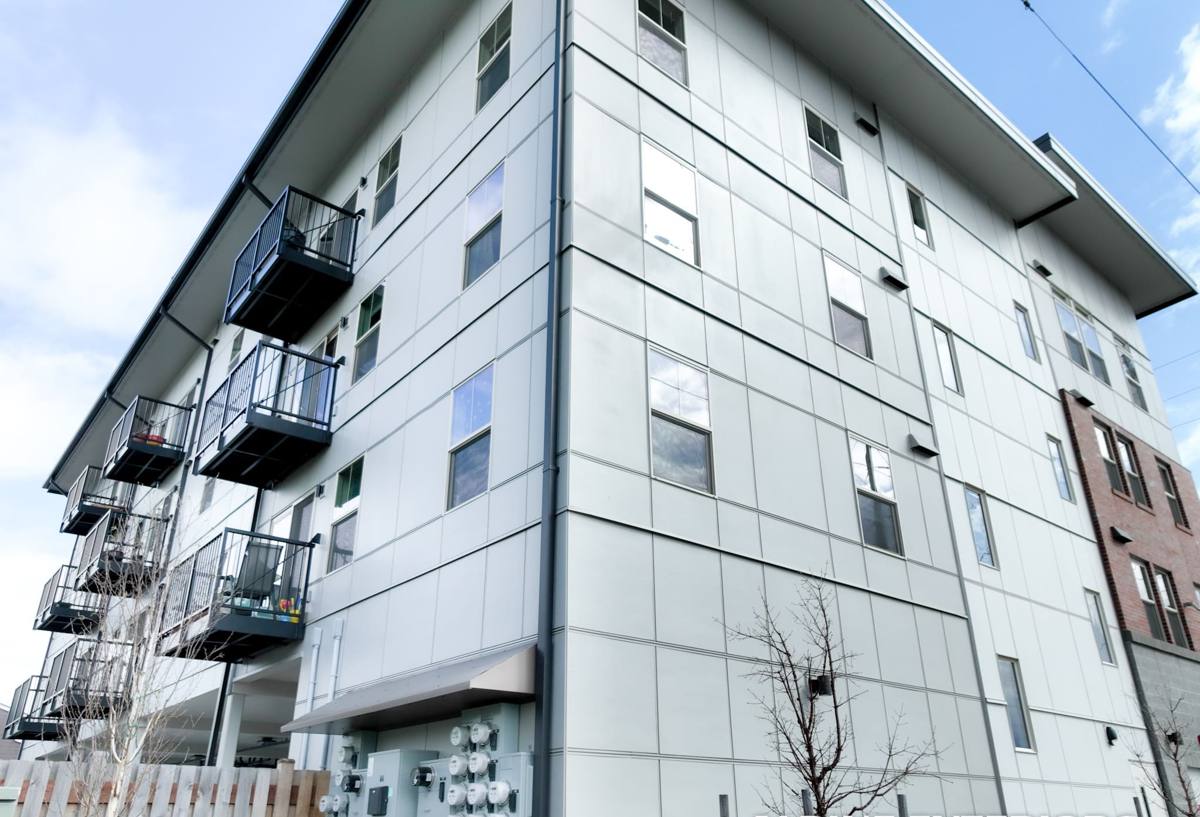
What Salt Air, Wind-Driven Rain, and Moss Actually Do
Salt Air
Airborne salt is corrosive to metal and can accelerate the breakdown of lower-quality siding materials and finishes over time. Fasteners, flashing, and trim details that aren't rated for coastal exposure corrode faster near the water than they would ten or fifteen miles inland. This is one of the most overlooked parts of a coastal siding job — homeowners focus on the siding panel itself and forget that the fasteners and flashing holding it up are just as exposed.
Wind-Driven Rain
Birch Bay gets exposed to wind coming off the water, and wind-driven rain behaves differently than rain falling straight down. It gets pushed sideways and upward into laps, seams, and penetrations that a standard installation might not fully seal against. A siding system that looks watertight on a calm day can still let moisture in during a windstorm if the weather-resistive barrier, flashing, and lap details weren't installed with that wind exposure in mind.
Moss and Prolonged Dampness
Whatcom County's moss season is long, and Birch Bay's coastal humidity keeps siding surfaces damp longer than a drier inland lot would. Moss and algae growth on siding isn't just cosmetic — sustained moisture against a wall assembly is what eventually causes rot, and siding materials that absorb or trap moisture are more vulnerable to that cycle than ones engineered to shed it.
Why We Only Install James Hardie Fiber Cement Here
We've made a standard for our company: we install James Hardie fiber cement siding, and nothing else. We don't install vinyl, LP SmartSide, primed spruce, cedar, or other fiber cement brands. That's not a marketing line — it's a decision we made based on what actually holds up on homes like the ones in Birch Bay.
Fiber cement is non-combustible and dimensionally stable, meaning it doesn't expand and contract with moisture the way wood-based products can, which matters directly in a climate with this much sustained dampness. James Hardie's HZ5 product line is engineered specifically for climates with freeze-thaw cycles and high moisture exposure, which fits the Pacific Northwest coastline better than a generic product line built for a national market. The factory-applied ColorPlus finish is also baked on and cured under controlled conditions, which holds up better against salt air and UV exposure than a field-applied paint job, and it comes with its own finish warranty separate from the substrate warranty.
None of that replaces correct installation — even the best siding product fails early if it's hung wrong — but it does mean we're not fighting the material itself on top of fighting the weather.
What a Correct Installation Actually Involves
The siding panel is the visible part of the job, but most of what determines whether a siding job lasts twenty-plus years in a coastal environment happens underneath it and around it.
- Weather-resistive barrier: A continuous, properly lapped house wrap or building paper behind the siding, installed shingle-style so water is always directed outward and down.
- Flashing at every penetration: Windows, doors, hose bibs, vents, and any other wall penetration need proper head flashing and drip caps so wind-driven rain can't track behind the siding at those points.
- Correct fastening: James Hardie specifies fastener type, spacing, and penetration depth, and in a salt-air environment, corrosion-resistant fasteners aren't optional — they're the difference between siding that stays tight for decades and siding that starts loosening in five or six years.
- Proper clearances: Minimum gaps between the bottom of the siding and grade, decks, roofing, and other transitions so water has somewhere to go instead of wicking into the panel edge.
- Caulking and joint treatment: Manufacturer-specified sealant at butt joints and trim intersections, not just wherever a gap looks like it needs it.
- Panel gapping: Fiber cement needs specific expansion gaps at joints — too tight and the panels can crack or buckle over time; too loose and water gets a direct path behind the siding.
Skipping or rushing any one of these doesn't usually show up as a problem in year one. It shows up in year five or eight, as a soft spot near a window, a streak of staining below a joint, or siding that's started to separate from the wall. On a bay-facing or near-bay home, those timelines compress because the moisture exposure is more constant.
Our Process for a Birch Bay Siding Installation
1. On-Site Assessment
We start by walking the exterior with the homeowner, looking at wind exposure on each face of the house, existing moisture or moss patterns, current siding condition, and any trouble spots around windows, decks, or roof-to-wall transitions.
2. Tear-Off and Sheathing Check
Once old siding comes off, we inspect the sheathing underneath. This is often the first time hidden moisture damage becomes visible, and it needs to be addressed before anything new goes back on — installing new siding over compromised sheathing just hides the problem again.
3. Weather Barrier and Flashing Installation
We install the weather-resistive barrier and flashing system before a single piece of Hardie siding goes up. This layer is the actual waterproofing; the siding is the second line of defense, not the first.
4. Hardie Panel Installation
Siding goes up to James Hardie's installation specifications — fastening, gapping, and lap details — with attention to the wind exposure identified during the assessment.
5. Trim, Caulking, and Final Details
Trim, corners, and joints get finished and sealed according to manufacturer specs, and we do a final walk-through with the homeowner before considering the job complete.
Cost Factors for Birch Bay Siding Installation
Every home is different, so we don't quote pricing without seeing the site, but these are the main factors that move the cost of a siding job up or down in this area:
| Factor | Why It Matters |
|---|---|
| Home size and wall complexity | More corners, dormers, and roof-to-wall transitions mean more flashing and cutting labor |
| Current siding condition | Rot or hidden moisture damage found during tear-off adds sheathing repair before new siding can go up |
| Wind exposure of the lot | Homes with more direct bay exposure often warrant extra flashing detail at penetrations |
| Siding profile chosen | Lap width, shingle-style panels, and trim details vary in material and labor cost |
| Access and site conditions | Steep lots, limited staging area, or landscaping close to the house can add time |
What to Ask Before Hiring a Siding Crew in This Area
Not every contractor who can hang siding has experience with what a bay-facing wall assembly actually needs. Before hiring anyone for a Birch Bay siding job, it's worth asking:
- Are they James Hardie certified, and do they follow the manufacturer's specific fastening and gapping requirements — or just "install siding" generically?
- Will they inspect and address sheathing condition during tear-off, not just re-side over whatever is underneath?
- Do they use corrosion-resistant fasteners appropriate for salt-air exposure?
- Can they explain their flashing plan for windows, doors, and other penetrations before work starts?
- Do they carry proper licensing and insurance for exterior work in Washington?
- Will the warranty cover both the product and the labor, and is it transferable if the home sells?
Living With Fiber Cement Siding in a Salt-Air Environment
Correctly installed James Hardie siding is low-maintenance, but "low" isn't "zero," especially this close to the water. A periodic rinse to clear salt residue and organic buildup, keeping gutters clear so water isn't overflowing down the wall face, and trimming back vegetation that keeps siding shaded and damp all help the finish and the substrate last as long as they're designed to. Because the ColorPlus finish is factory-applied, it doesn't need repainting on the same cycle a field-painted product would, which is a real advantage in a climate where painting season is short and unpredictable.
Why a Blaine-Based Crew Matters for Birch Bay Specifically
A crew that works this stretch of Whatcom County regularly already knows what the wind does to a wall on a bay-facing lot, what moss season does to a north-facing elevation, and where salt exposure tends to cause early wear on fasteners and trim. That's not something you get from a general read of a product spec sheet — it's something you get from installing and revisiting siding jobs in this exact climate over time. Being based in Blaine also means we're not a crew passing through the area once; if a warranty question or a follow-up comes up, we're close by.
If you're planning a siding project in Birch Bay, we're happy to come take a look at your home, walk you through what we'd recommend for your specific exposure, and put together a straightforward estimate — no pressure, no hard sell. Use the form below to get started.